o
p
t
i
m
a
r
o
b
o
t
i
c
s

Make a Call


Make a Call
Blogs
2026 Best Commercial Kitchen Ranges for Global Buyers
Choosing the right Commercial Kitchen Range in 2026 requires more than comparing burner counts and price tags. Global buyers need equipment that performs reliably during long service hours, supports local energy systems, and fits practical kitchen workflows. A range may look powerful in a showroom, yet struggle when ventilation, gas pressure, or staff capacity changes. Real performance matters.
This guide examines commercial ranges through an experienced purchasing lens. It considers heat control, cooking capacity, construction materials, cleaning access, safety features, warranty support, and spare-parts availability. Electric, gas, induction, and hybrid models each serve different operating conditions. Local certification requirements also vary, so buyers should verify documentation before placing an international order. Manufacturer claims deserve careful checking.
Small details can shape daily results. Think about a stainless-steel worktop beside a busy sauté station, uneven pot bases, or a technician waiting weeks for one replacement valve. Those details are easy to miss. They should not be. We also acknowledge an uncomfortable point: no single range suits every market, menu, or budget. Some recommendations may need revision as energy prices, regulations, and supply chains change. That is part of responsible research.
The following overview compares leading options for hotels, restaurants, catering businesses, and institutional kitchens. It emphasizes documented specifications, user experience, supplier credibility, and long-term operating value. Buyers can use these insights to ask better questions, reduce avoidable purchasing risks, and select equipment with greater confidence. Performance is important. So is honest evaluation.
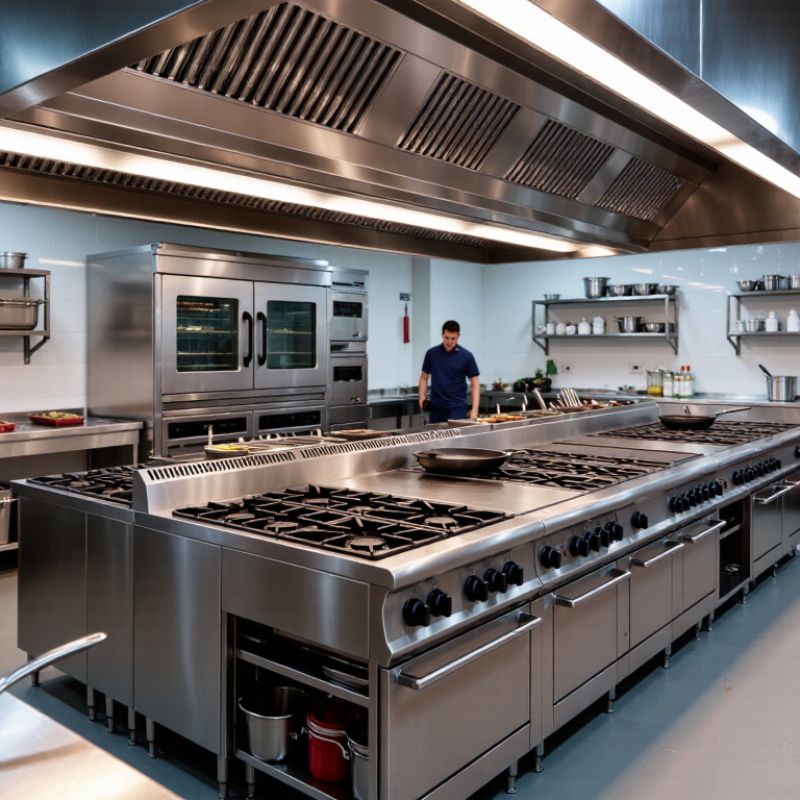
Table of Contents [Hide]
What Defines a Commercial Kitchen Range in 2026
In 2026, a commercial kitchen range is more than a powerful cooker. It is a coordinated work station for speed, safety, cleaning, and energy control. Buyers now compare burner output, oven recovery, ventilation needs, and service access together. A range that cooks quickly but traps grease under sealed panels creates expensive problems later.
Practical testing still matters. During a site review, I check pan clearance, flame stability, knob reach, and heat around the operator’s knees. Electric models need stable power capacity, while gas models require suitable connections and professional installation. Controls may include timers, temperature sensors, and diagnostic displays. Useful features should reduce mistakes, not simply add complexity. Keep it simple.
A reliable 2026 range should support different cooking methods without wasting valuable floor space. Stainless surfaces, removable trays, smooth seams, and accessible filters help staff clean between busy service periods. Safety systems should manage flame failure, overheating, and accidental activation. Destination-market certification is essential, because electrical, gas, and ventilation requirements differ across regions. Documentation should clearly state input ratings, clearances, maintenance intervals, and available parts.
Efficiency deserves a careful look. Lower energy use can reduce operating costs, but advertised savings may depend on workload, ventilation, and staff habits. Not every smart feature earns its cost. Buyers should request operating data, inspect construction details, and speak with qualified service technicians before ordering. A thoughtful specification may feel slower at the start, yet it prevents costly surprises after installation.
Brands
Proudly Trusted by Top Suppliers Worldwide







Let us know and we will automate, together to fit your industrial needs.
 +91-97254 16844
Clients
Proudly Trusted by Top Companies Worldwide


Do you need Help? Get in touch.
X
Please fill out the form below and we will get back to you as soon as possible.