o
p
t
i
m
a
r
o
b
o
t
i
c
s

Make a Call


Make a Call
Blogs
2026 Best Die Cutting Machine for Global Buyers
Choosing the 2026 Best Die Cutting Machine requires more than comparing speed, price, or brand reputation. Global buyers must examine material compatibility, cut accuracy, automation, energy use, service coverage, and operator safety. A machine cutting carton board at 8,000 sheets per hour may still disappoint if setup changes consume an entire shift. Small details matter.
Industry data supports this broader view. Smithers’ packaging market research continues to identify e-commerce, premium packaging, and shorter production runs as major growth drivers. These trends increase demand for flexible die-cutting systems that handle paperboard, corrugated materials, labels, films, and specialty substrates. MarketsandMarkets reports also connect converting-equipment investment with automation, digital monitoring, and reduced material waste. However, market estimates vary between research firms because product definitions differ. That limitation deserves attention.
This guide evaluates machines through practical buyer experience and measurable specifications. It considers registration accuracy, maximum sheet size, tooling changes, waste removal, maintenance access, and local technical support. It also reviews total ownership cost, including dies, power consumption, spare parts, training, and downtime. A low purchase price can become expensive beside an unreliable feeder or limited service network. No ranking is perfect. I may overvalue technical performance if regional support is ignored. Therefore, global buyers should match each recommendation with their production volume, substrate mix, workforce skills, and compliance requirements. The best Die Cutting Machine is not always the fastest model. It is the machine that performs consistently, safely, and economically in the buyer’s real factory.
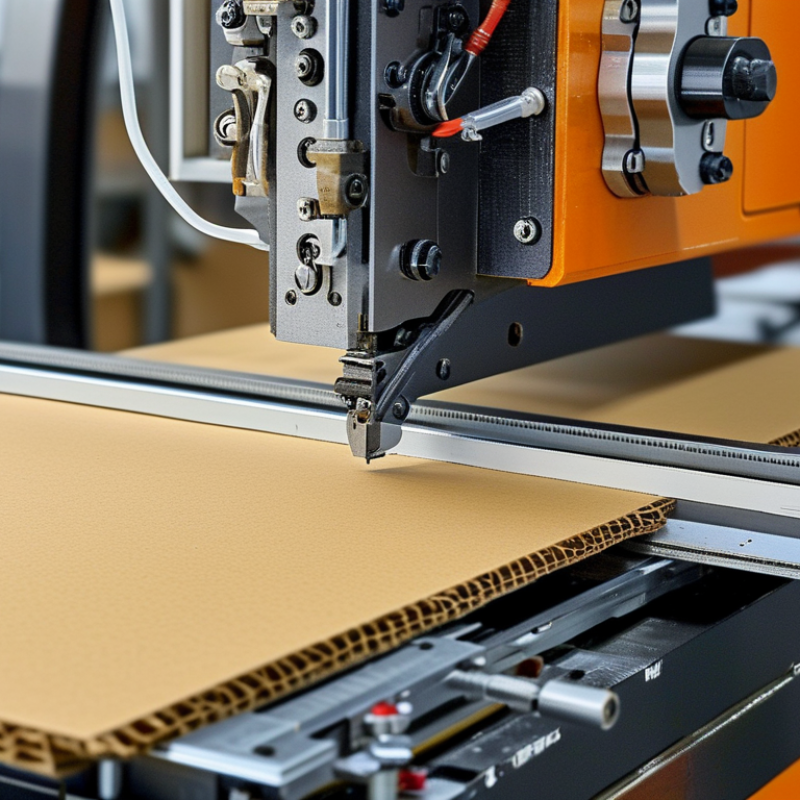
Table of Contents [Hide]
What a Die Cutting Machine Is and How It Works
2026 Best Die Cutting Machine for Global Buyers
A die cutting machine shapes sheet material with a hardened die, controlled pressure, and precise registration. It can cut paper, folding carton board, labels, foam, and selected flexible materials. Flatbed systems press a die vertically against a sheet. Rotary systems use cylindrical dies for continuous production. The basic cycle is simple: feeding, alignment, cutting, stripping, and collection. The difficult part is maintaining pressure across every millimeter.
A 2026 buyer should inspect platen accuracy, maximum sheet size, die-change time, waste removal, and local service support. An operator should also check the material range. A machine adjusted for 350-gram board may perform poorly on thin adhesive stock. It happens. The die, matrix, pressure setting, and humidity can all change the result. I would request samples using the buyer’s actual substrate, not showroom paper.
Market data explains the investment pressure. Smithers’ The Future of Global Packaging to 2028 projects the packaging market will approach 1.2 trillion US dollars by 2028. PMMI reported approximately 10.2 billion US dollars in US packaging machinery shipments during 2023. These figures support continued automation demand, but they do not prove that higher speed means better value. A slower machine with stable registration, lower setup waste, and available technical training may deliver stronger total cost performance. That assumption needs testing.
Brands
Proudly Trusted by Top Suppliers Worldwide







Let us know and we will automate, together to fit your industrial needs.
 +91-97254 16844
Clients
Proudly Trusted by Top Companies Worldwide


Do you need Help? Get in touch.
X
Please fill out the form below and we will get back to you as soon as possible.