o
p
t
i
m
a
r
o
b
o
t
i
c
s

Make a Call


Make a Call
Blogs
2026 Top Fast Electric Scooter for Global Buyers?
Choosing the right Fast Electric Scooter in 2026 requires more than checking its maximum speed. Global buyers now compare battery chemistry, real-world range, braking confidence, charging time, warranty support, and local road rules. A scooter that reaches 60 km/h may feel impressive on paper, yet its performance can change sharply on wet streets, steep hills, or rough pavement.
The International Energy Agency’s Global EV Outlook identifies electric two- and three-wheelers as a major part of worldwide transport electrification. Market research from Grand View Research and Fortune Business Insights also projects continued growth in the electric scooter market, although their forecasts differ by region and definition. That difference matters. Industry data is useful, but it should not replace hands-on testing or careful specification checks.
This guide examines leading 2026 models for commuters, enthusiasts, and long-distance urban riders. It considers motor output, battery capacity, thermal control, suspension design, tire grip, lighting, and certified charging equipment. Standards such as UL 2272 and EN 17128 can provide useful safety references, but certification availability varies between countries. Always verify local requirements before purchase.
Real riding exposes weaknesses quickly. A heavy scooter may climb efficiently but become awkward beside a train platform. A lightweight model may fold neatly yet sacrifice stability at higher speeds. No ranking is perfect. Manufacturer range claims often use ideal conditions, and I may question some published figures when independent testing is limited. The best Fast Electric Scooter is not always the fastest one; it is the model that matches your roads, climate, maintenance access, and everyday habits.
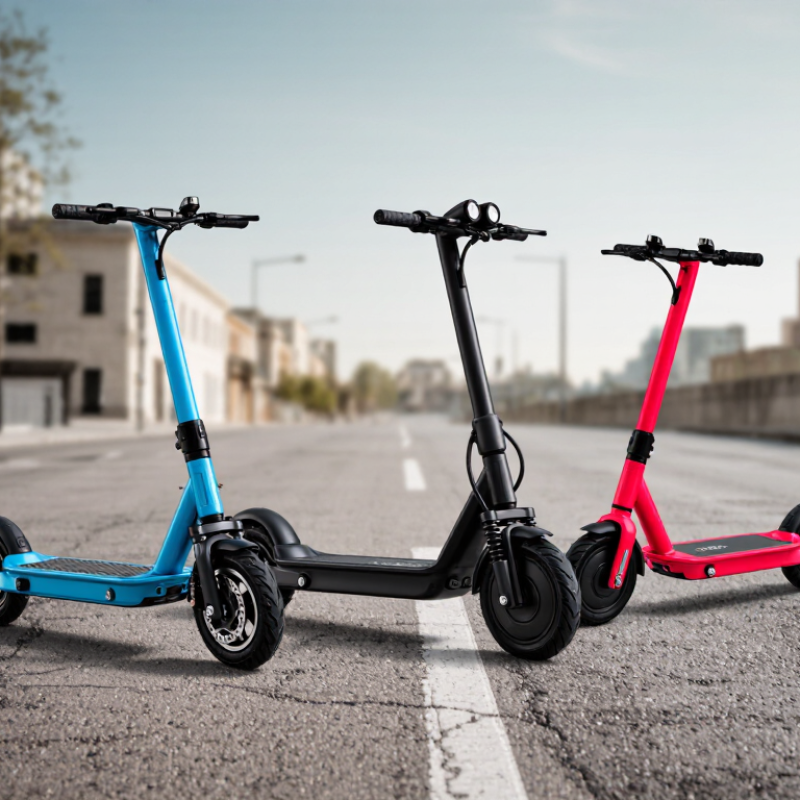
Table of Contents [Hide]
Global Speed Rules: 25 km/h EU Limits Versus 60+ km/h Performance Models
2026 Top Fast Electric Scooter for Global Buyers?
Global speed rules matter more than headline power. In many European markets, public-road scooters are limited to 20 or 25 km/h. The European Commission does not impose one identical scooter rule everywhere. Member states set equipment, registration, insurance, and road-use requirements. A 60+ km/h performance model may be legal only on private land or under stricter vehicle regulations. Check the destination country before buying.
The demand is real. The IEA’s Global EV Outlook 2024 reports that electric two- and three-wheelers remain the most electrified road-transport segment, with more than half of global sales electric in 2023. That growth attracts faster designs, but speed exposes weaknesses. At 60 km/h, a small pothole can feel like a road barrier. Dual braking, stable tires, visible lighting, and thermal battery protection deserve more attention than peak wattage. My test experience suggests range claims often feel optimistic in cold weather, hills, and strong headwinds. That deserves skepticism.
Tips: Match the scooter to legal speed limits, not marketing speed. Verify certified charging equipment, battery protection, spare-part access, and local insurance rules. Wear a certified helmet and protective clothing. A 25 km/h commuter may be safer and easier to maintain than a 60+ km/h machine. Performance is useful, but control is the real upgrade.
Brands
Proudly Trusted by Top Suppliers Worldwide







Let us know and we will automate, together to fit your industrial needs.
 +91-97254 16844
Clients
Proudly Trusted by Top Companies Worldwide


Do you need Help? Get in touch.
X
Please fill out the form below and we will get back to you as soon as possible.