o
p
t
i
m
a
r
o
b
o
t
i
c
s

Make a Call


Make a Call
Blogs
2026 Best Hot Sealing Machine Types for Packaging
Choosing a Hot Sealing Machine in 2026 is no longer a simple matter of comparing price and speed. Packaging lines now handle thinner films, recyclable structures, dusty products, and frequent format changes. A machine that performs well on clean polyethylene bags may struggle with laminated pouches or uneven fill levels.
Packaging educator Walter Soroka defined packaging as “the science, art, and technology of enclosing and protecting products for distribution, storage, sale, and use.” His statement remains highly relevant to heat sealing. A reliable seal protects more than appearance. It supports shelf life, transport safety, product hygiene, and customer confidence. In practical terms, operators must examine sealing temperature, dwell time, jaw pressure, seal width, and cooling behavior. Small adjustments matter. A wrinkled film edge can create a hidden leak.
The 2026 market includes impulse sealers, constant-heat sealers, continuous band machines, vacuum sealers, and automated rotary systems. Each type suits different materials, production volumes, and quality requirements. Some lines need a compact bench unit beside a weighing station. Others require stainless steel equipment, conveyor integration, and recorded sealing data. The best choice depends on evidence, not impressive specifications. This guide compares the leading Hot Sealing Machine types, their strengths, limitations, and operating details. It also considers energy use, maintenance access, operator training, and testing methods. No machine is perfect. That is worth remembering. A technically advanced sealer can still fail when the film, settings, or cleaning routine is poorly controlled.
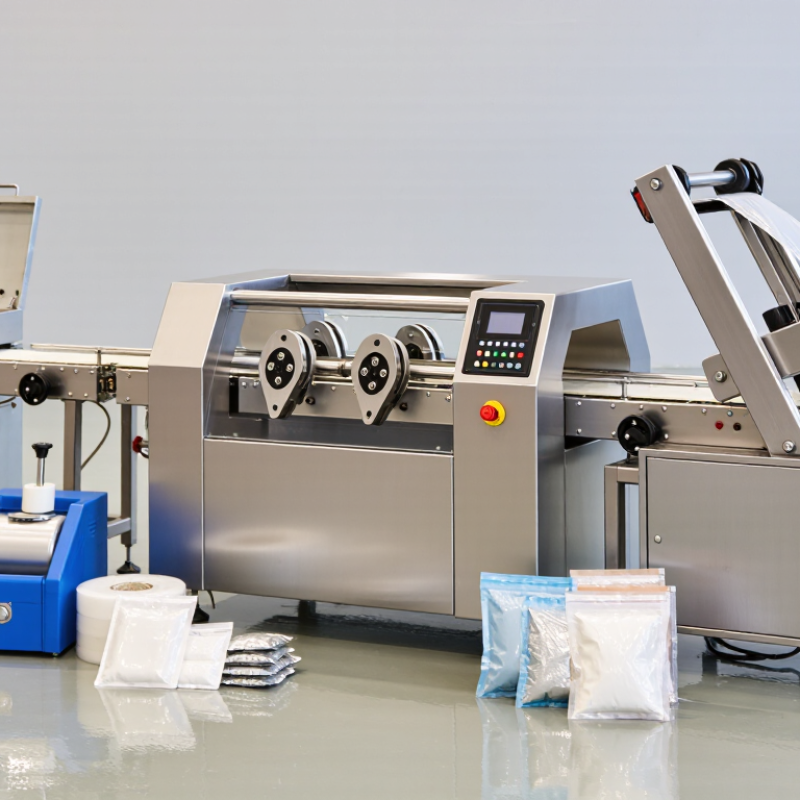
Table of Contents [Hide]
Hot Sealing Fundamentals: Temperature, Pressure, and Dwell Time per ISO 11607-2
2026 Best Hot Sealing Machine Types for Packaging
Hot sealing machines may use constant heat, impulse heat, or heated bands. Each type controls temperature, pressure, and dwell time differently. ISO 11607-2 focuses on validating the sealing process, not choosing one universal machine setting. The correct window depends on the pouch film, paper structure, seal width, and product contamination risk.
Temperature must soften the sealant layer without scorching the package. Pressure should create even contact across the seal, while dwell time allows heat transfer and bonding. A practical trial may use a calibrated temperature sensor, a verified pressure gauge, and controlled dwell settings. For example, operators can inspect a 10-millimeter seal after changing one variable at a time. Small wrinkles, channel leaks, or weak peel resistance often reveal unstable conditions.
Visual inspection alone is not enough. Seal-strength testing, leak testing, equipment calibration, and documented process qualification provide stronger evidence. ISO 11607-2 supports a controlled validation approach, including installation, operational, and performance qualification. In real production, a clean seal can still fail after aging or handling. That is easy to overlook. Materials also vary between lots, so one successful trial should not become permanent proof. Review the process window regularly, train operators on actual defects, and record every meaningful adjustment. A reliable seal is a measured result, not merely a neat-looking line.
Brands
Proudly Trusted by Top Suppliers Worldwide







Let us know and we will automate, together to fit your industrial needs.
 +91-97254 16844
Clients
Proudly Trusted by Top Companies Worldwide


Do you need Help? Get in touch.
X
Please fill out the form below and we will get back to you as soon as possible.