o
p
t
i
m
a
r
o
b
o
t
i
c
s

Make a Call


Make a Call
Blogs
2026 How to Choose U Channel Steel for Global Sourcing?
Choosing U Channel Steel for global sourcing requires more than comparing prices per ton. Buyers must connect structural performance, production consistency, documentation, and delivery risk. A section that looks correct in a catalog may fail a project’s needs because of incorrect thickness, poor straightness, or unsuitable steel grade.
James M. Fisher, a respected structural steel engineer and author, often emphasized a practical principle: “Reliable steel begins with clear specifications and verified quality.” This idea remains relevant in 2026. Buyers should define channel dimensions, web and flange thickness, yield strength, surface condition, and allowable tolerances before requesting quotations. Mill test certificates should match the supplied batch. Third-party inspection can reveal problems before loading.
Experience matters here.
A reliable supplier should explain how U Channel Steel is rolled, measured, bundled, protected, and traced. Ask for production samples, inspection records, coating details, and realistic lead times. Hot-dip galvanizing may support outdoor use, while painted or untreated channels may suit controlled indoor environments. Packaging also matters. Wet bundles can develop surface corrosion during ocean transport.
Global sourcing adds complexity. Standards may differ between regions, and metric dimensions may not match local design assumptions. Confirm the applicable standard with the engineer, not only the seller. Freight costs, port handling, customs documents, and delivery terms can change the real purchase price substantially.
The cheapest offer may be incomplete.
A careful buyer should compare technical compliance, supplier history, inspection access, and after-sales communication. No sourcing method is perfect. Even experienced teams sometimes overlook packaging or tolerance details. That weakness deserves review before the purchase order is signed.
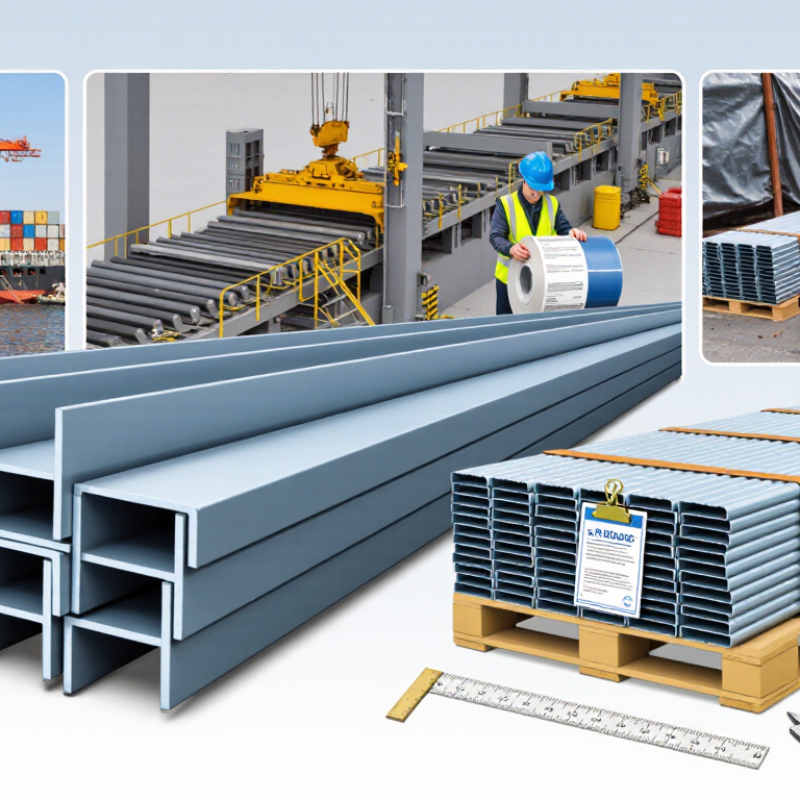
Table of Contents [Hide]
Define U Channel Steel Types, Standards, and Essential Specifications
2026 How to Choose U Channel Steel for Global Sourcing?
U channel steel comes in hot-rolled, cold-formed, welded, and galvanized types. Hot-rolled channels suit structural frames and heavy supports. Cold-formed channels offer lighter weight and tighter profile control. Galvanized channels resist outdoor corrosion, but coating thickness must be specified. Do not compare suppliers by price alone. In 2024, global crude steel production reached about 1.88 billion tonnes, according to World Steel Association’s World Steel in Figures 2025. This scale creates many sourcing options, but also inconsistent documentation.
Define the required dimensions, thickness, length, mass, steel grade, and surface condition. Specify whether the section follows ASTM A6/A6M, EN 10025, EN 10162, or ISO 657. These standards address different products, tolerances, and testing requirements. Ask for mill test certificates showing chemical composition, yield strength, tensile strength, and impact performance. For welded channels, request weld inspection records. For galvanized products, confirm zinc coating mass and adhesion. Small differences matter.
Tips: Send a dimensioned drawing, not only a product photo. Confirm tolerances before production. Check bundle labels, straightness, and actual weighing during inspection. A third-party inspection can verify these details. I have seen buyers overlook corner radii and hole positions. That mistake caused costly rework. Also, grade names may appear similar across countries, yet their mechanical requirements can differ. Review the standard edition and acceptance criteria carefully.
Brands
Proudly Trusted by Top Suppliers Worldwide







Let us know and we will automate, together to fit your industrial needs.
 +91-97254 16844
Clients
Proudly Trusted by Top Companies Worldwide


Do you need Help? Get in touch.
X
Please fill out the form below and we will get back to you as soon as possible.