o
p
t
i
m
a
r
o
b
o
t
i
c
s

Make a Call


Make a Call
Blogs
What Are the 2026 Top Storm Window Types for Buyers?
Choosing a storm window in 2026 is no longer a simple decision between aluminum and vinyl frames. Buyers now compare insulation, air leakage, solar control, maintenance, appearance, and installation quality. The right Storm Window should fit the building, climate, and budget. It should also support the existing window instead of hiding its weaknesses.
Dr. Joseph Lstiburek, a respected building-science expert, often reminds professionals, “Water, air, heat, and vapor move together.” That principle matters here. A low-emissivity interior panel may improve comfort, but poor sealing can still leave cold drafts around the sash. In real homes, the difference is easy to feel. One room stays warm near the glass. Another feels chilly beside the frame.
This guide examines the leading storm window types for 2026 buyers, including interior panels, exterior units, low-emissivity models, and custom systems. It considers thermal performance, noise reduction, visibility, durability, and installation risks. Some products look impressive on paper. They may disappoint when measurements are inaccurate or drainage paths are blocked.
There is no universal winner. Not quite.
A historic home may need a discreet interior option. A coastal property may require stronger corrosion resistance. A modern renovation might benefit from a removable, high-performance panel. These choices can conflict, and buyers should expect trade-offs. Even experienced homeowners sometimes overlook condensation, hardware clearance, or seasonal removal. The most reliable decision begins with the existing window, local weather, and honest inspection.
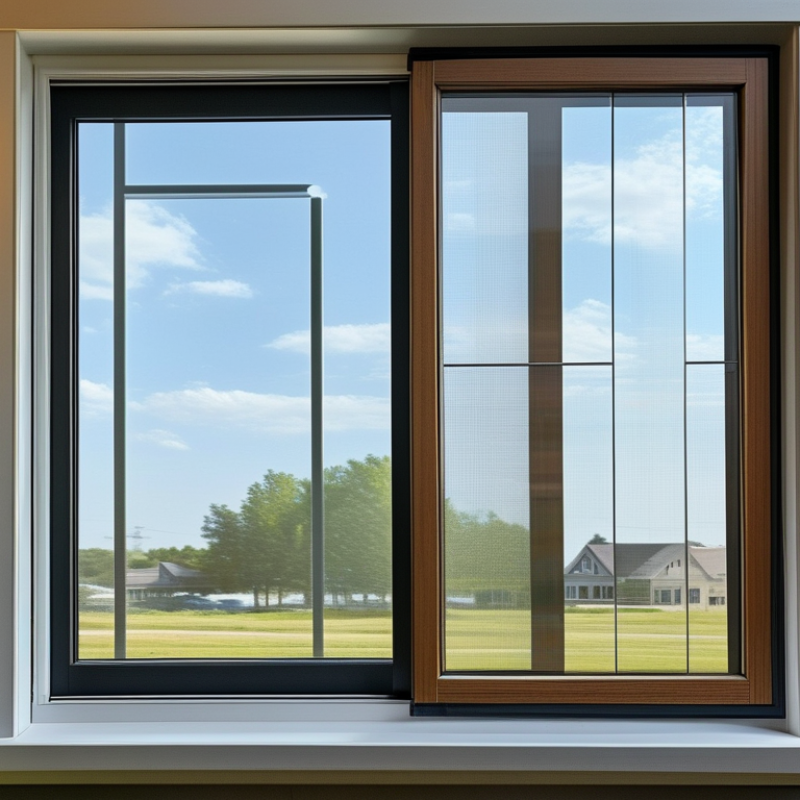
Table of Contents [Hide]
What Storm Windows Are and How They Work
What Are the 2026 Top Storm Window Types for Buyers?
Storm windows are secondary window panels installed over existing windows. They create a sealed air space between the two layers. This space slows heat transfer and reduces cold drafts near the glass. It can also soften traffic noise and help protect the primary window from wind-driven rain.
Exterior storm windows attach to the outside frame. They are practical for many older homes, but their seals need regular inspection. Interior storm windows fit inside the room and often preserve the building’s exterior appearance. Low-emissivity glass or film can improve insulation without adding much thickness. Some models open for ventilation, while removable panels simplify seasonal cleaning.
The frame matters as much as the glass. Aluminum frames are light and durable, while composite frames may reduce thermal bridging. Measure the opening at several points because older frames are rarely perfectly square. A small gap can admit air, yet an overly tight panel may trap moisture. That mistake is easy to overlook. Check weep holes, drainage paths, and existing caulk before installation. Condensation between panels may signal poor ventilation or a failed seal, not simply a cold day.
For a reliable choice, compare the window’s visible condition, local weather, and installation limits. A professional assessment should examine rot, loose sashes, and uneven trim. Storm windows improve performance, but they cannot repair a damaged primary window.
Brands
Proudly Trusted by Top Suppliers Worldwide







Let us know and we will automate, together to fit your industrial needs.
 +91-97254 16844
Clients
Proudly Trusted by Top Companies Worldwide


Do you need Help? Get in touch.
X
Please fill out the form below and we will get back to you as soon as possible.