o p t i m a r o b o t i c s

Blogs

2026 Top Universal Robots Cobot Trends You Should Know?

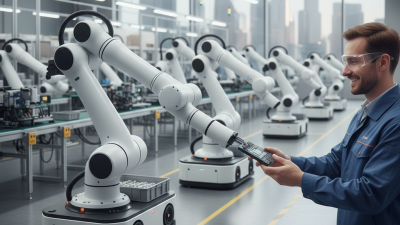
As we approach 2026, the landscape of automation is shifting significantly. Universal robots cobots are at the forefront of this evolution. These collaborative robots are designed to work alongside humans, enhancing productivity while ensuring safety. With advancements in artificial intelligence and machine learning, their capabilities are expanding rapidly.

The latest trends highlight how universal robots cobots are becoming more versatile. Industries are adopting these solutions for tasks ranging from assembly to quality control. This shift reflects a growing demand for efficiency and flexibility in manufacturing processes. However, there are challenges to consider. Integration into existing workflows requires careful planning and training.

Moreover, not all businesses may be prepared for this transition. Companies must evaluate their unique needs before investing in universal robots cobots. As the technology progresses, staying informed about trends is crucial. Embracing change can lead to substantial benefits or missed opportunities.
2026 Top Universal Robots Cobot Trends You Should Know?

Emerging Technologies in Universal Robots Cobots for 2026

As we approach 2026, the field of cobots—collaborative robots—continues to evolve rapidly. According to recent industry reports, the global market for collaborative robots is projected to reach $12 billion by 2025, driven primarily by advancements in automation technology. Key trends suggest that emerging technologies will significantly enhance the capabilities of universal robots in various sectors.

One notable trend is the integration of artificial intelligence in cobots. AI allows for improved decision-making and adaptability in tasks. Research indicates that about 30% of businesses are looking to deploy AI-enabled cobots by 2026. This integration enables machines to learn from their environments and refine their operations continuously. It poses a challenge for traditional programming methods and requires a rethink of workforce training to align human skills with AI capabilities.

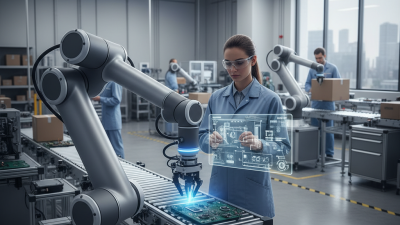
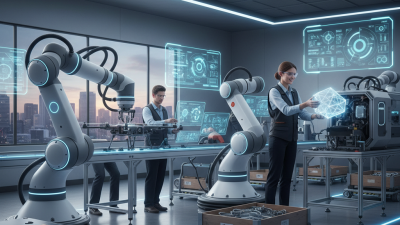
Another exciting development is the rise of augmented reality (AR) in the cobot workspace. AR technologies can provide real-time guidance for operators, enhancing safety and productivity. Surveys show that 45% of organizations plan to adopt AR in their production lines by 2026. However, the implementation of such technologies is not without challenges. Many enterprises express concerns about costs and the complexity of integrating AR with existing systems. As we look ahead, it is essential to address these barriers while exploring the vast potential of these technologies.
Key Industry Applications of Cobots in 2026

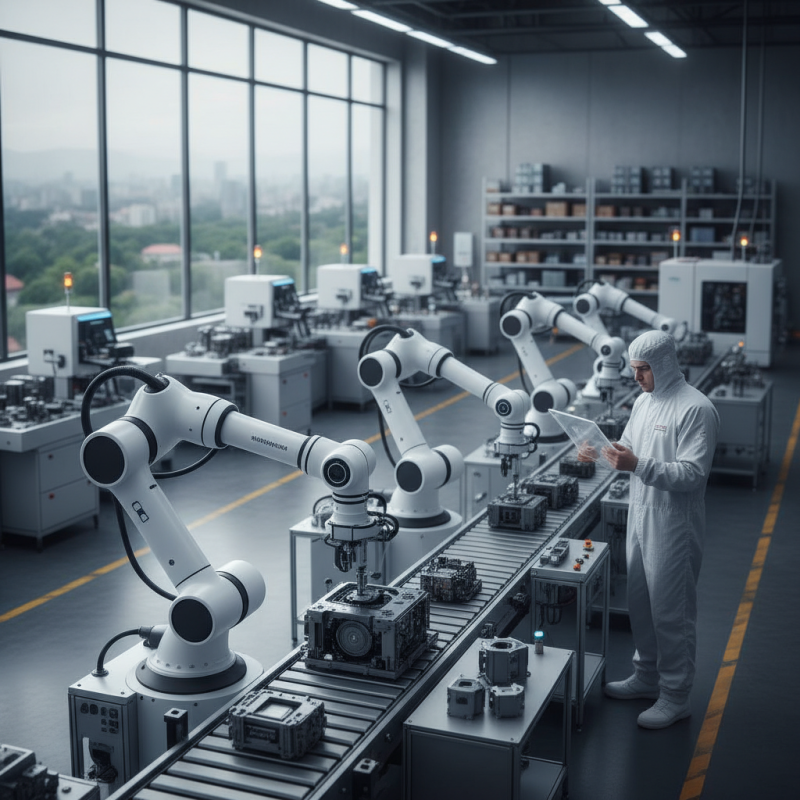
In 2026, collaborative robots (cobots) will significantly impact various industries. A report from Statista predicts that the global cobot market will reach $12.3 billion by 2026. Manufacturing, healthcare, and agriculture will be key players in adopting these technologies. In manufacturing, cobots will automate repetitive tasks, enhancing efficiency. They will also reduce strain on workers, creating safer environments.

In healthcare, cobots will assist in surgeries and patient care. Their precision will help minimize errors, leading to better patient outcomes. According to a McKinsey report, healthcare applications of cobots could reduce operation times by up to 20%. In agriculture, cobots will support tasks like planting and harvesting. This will boost productivity and reduce costs, addressing labor shortages in the sector.

Despite the advantages, challenges remain. Integration into existing workflows can be complex. Training staff to work alongside these machines requires thoughtful planning. Adopting cobots may also raise concerns about job displacement. Addressing these issues will be crucial as industries transition to smarter operations. The cobot evolution presents incredible opportunities, but it necessitates careful consideration and adaptation.

Human-Robot Collaboration: Trends and Innovations

2026 Top Universal Robots Cobot Trends You Should Know?

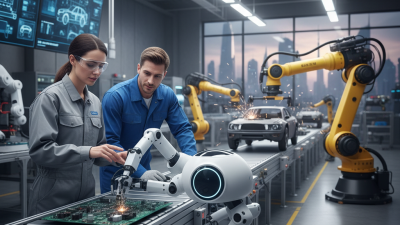
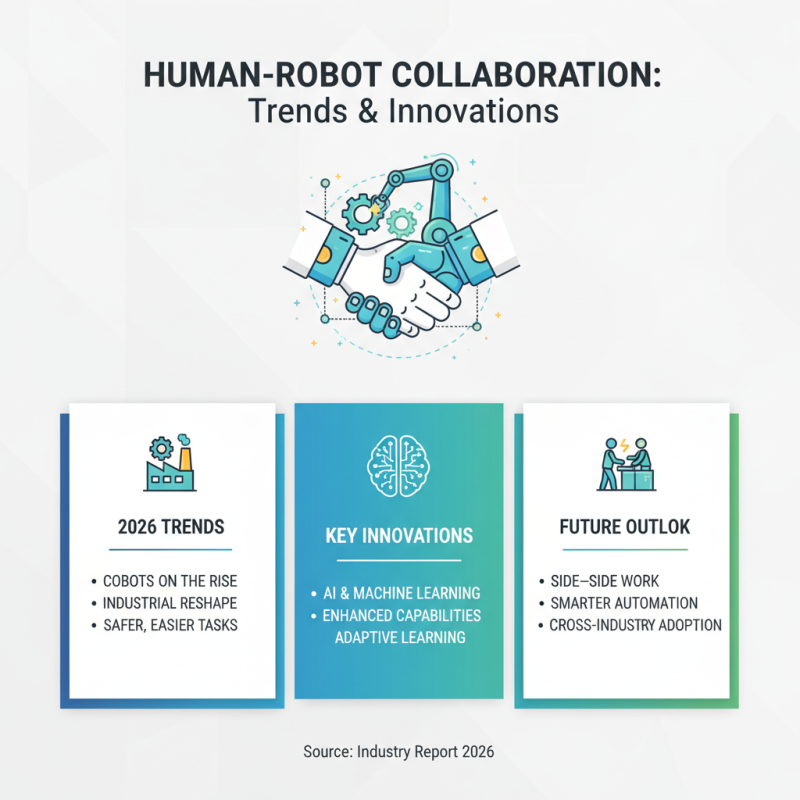
Human-robot collaboration is on the rise. In 2026, trends in collaborative robots (cobots) will reshape industries. These machines can work side by side with humans, making tasks easier and safer. Innovations in AI and machine learning enhance their abilities. Cobots can learn specific tasks, adapting to different work environments.

One of the key trends is safety. Cobots are designed to ensure the safety of human colleagues. They are equipped with advanced sensors that detect movement. This enables them to stop immediately if a human comes too close. However, it's essential for companies to properly train employees. Misunderstandings can lead to accidents, even with safety features in place.

Adopting cobots requires thoughtful planning. Businesses need to analyze workflows carefully. Assess which tasks benefit most from automation. It may be insightful to involve employees in this process. Their input can improve the integration of these machines. Often, a trial run reveals unexpected challenges and opportunities. Creating a feedback loop for continuous improvement is vital.

Tips: Engage with your team regularly. Foster an open dialogue about experiences with cobots. Adjust the workflows based on real-time feedback to maximize efficiency. This collaborative approach can lead to successful human-robot partnerships.

Safety Standards and Regulations for Cobots in 2026

As collaborative robots, or cobots, gain traction in various industries, safety standards become paramount. By 2026, the landscape of robotics will witness significant advancements in safety regulations. According to industry reports, about 70% of manufacturers will adopt updated safety protocols. These changes aim to address risks associated with human-robot interactions.

New guidelines will likely emerge from collaborations among industry groups and regulatory bodies. The International Organization for Standardization (ISO) is expected to release updates on ISO 10218, improving safety measures. Meanwhile, companies will need to align with local regulations, which can differ significantly. Continuous training and risk assessments will be critical as the complexity of cobot tasks increases.

Despite advancements, challenges remain. Many companies struggle to implement safety protocols effectively. Reports indicate that nearly 40% of organizations lack a proper risk management plan for cobots. This gap raises concerns and emphasizes the need for robust safety frameworks. It’s clear that as cobots evolve, ongoing diligence will be essential to minimize hazards in workplaces.

Future Prospects: Market Growth and Investment in Cobots

The cobot market is expanding rapidly, projected to reach $12.3 billion by 2026. This significant growth reflects a shift in manufacturing processes. Industries are increasingly adopting collaborative robots to enhance productivity and streamline operations. According to recent studies, cobots can reduce operational costs by up to 30%.

As companies invest in automation, the focus expands beyond traditional sectors. New applications are emerging in logistics, healthcare, and retail. The adoption of cobots enhances efficiency, but challenges remain. Integration into existing workflows can be complex. Employees often require training to work alongside robots effectively.

Tips: Start small with cobrational deployments. Test in one area before scaling. Evaluating ROI on cobots can provide insights. Regularly gather feedback from employees to improve the integration process. Overall, investing in collaborative robots offers potential, but thoughtful implementation is crucial.

2026 Top Universal Robots Cobot Trends

Brands

Proudly Trusted by Top Suppliers Worldwide

Let us know and we will automate, together to fit your industrial needs.

Clients

Proudly Trusted by Top Companies Worldwide

Do you need Help? Get in touch.

X

Please fill out the form below and we will get back to you as soon as possible.

    Subscribe our newsletter & get updates