o
p
t
i
m
a
r
o
b
o
t
i
c
s

Make a Call


Make a Call
Blogs
2026 Top US Overseas Warehouse DDP Delivery Guide?
In 2026, US Overseas Warehouse DDP Delivery is becoming a practical option for brands serving American customers. Inventory sits closer to buyers, while sellers manage transportation, customs clearance, duties, and final delivery. That convenience is valuable. It also creates responsibility.
A reliable process begins with accurate product descriptions, commercial invoices, harmonized tariff codes, and declared values. These details influence customs review and landed cost calculations. A warehouse team may receive cartons in California, update inventory within hours, and dispatch an order from a nearby fulfillment shelf. The customer sees a shorter delivery window. The seller manages more moving parts.
DDP can make checkout clearer because import charges are usually built into the selling price. However, “all-inclusive” does not mean risk-free. Tax treatment, importer responsibilities, product rules, and carrier procedures can differ by shipment and state. Professional guidance remains important, especially when regulations change.
Small errors matter.
A missing country-of-origin detail can delay a shipment. An incorrect weight can damage the profit margin. A poorly planned return may leave goods moving between the customer, carrier, and warehouse. These problems are common enough to deserve attention, but they are not inevitable.
This guide examines warehouse selection, DDP cost structure, customs documentation, delivery performance, returns, and supplier coordination. It also considers less comfortable questions, including whether DDP is suitable for every product category and business size. Real operations rarely match a perfect spreadsheet. Careful records, transparent partners, and regular reviews provide a stronger foundation for dependable US fulfillment.
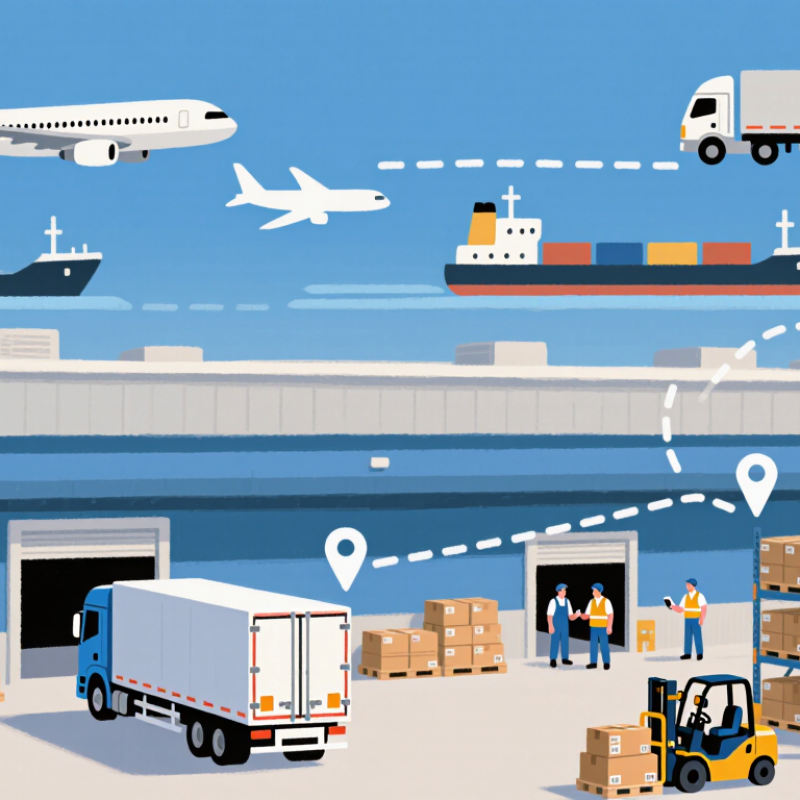
Table of Contents [Hide]
US Overseas Warehouses and the DDP Delivery Model in 2026
US Overseas Warehouses and the DDP Delivery Model in 2026
A US overseas warehouse can make DDP delivery faster and easier to control. Inventory sits closer to customers, often within one or two days of major population centers. Under DDP, the seller manages transport, import clearance, duties, and applicable taxes until the named destination. The buyer usually receives the goods without arranging customs payment. Clear responsibility matters.
In daily operations, accuracy begins before shipping. Staff should check carton dimensions, product descriptions, country of origin, and commercial invoices. A single incorrect tariff code can delay a pallet at customs. Warehouse teams also need reliable cycle counts, barcode scans, and documented receiving times. Small errors become expensive when inventory is distributed across several locations. They do.
DDP planning in 2026 should also consider the importer of record, customs broker instructions, delivery appointments, and state-level tax obligations. US requirements can vary by product and destination, so professional customs and tax advice remains important. In practice, a warehouse may promise two-day delivery but lack enough safety stock during seasonal demand. That gap deserves honest review. A stronger plan uses demand forecasts, reorder points, and a backup delivery route. It also explains whether unloading, storage after failed delivery, and returns are included. These details are not glamorous, but they protect trust.
Brands
Proudly Trusted by Top Suppliers Worldwide







Let us know and we will automate, together to fit your industrial needs.
 +91-97254 16844
Clients
Proudly Trusted by Top Companies Worldwide


Do you need Help? Get in touch.
X
Please fill out the form below and we will get back to you as soon as possible.