o p t i m a r o b o t i c s

Blogs

7 Best Insulated Terminal Lugs for Global Buyers?

Global buyers rarely lose money because a terminal lug looks unattractive. They lose it through poor crimping, unsuitable insulation, corrosion, or unclear certification.

The electrical terminals market continues expanding as industrial automation, renewable energy, vehicles, and control panels require dependable connections. Grand View Research and MarketsandMarkets both identify industrial electrification and renewable installations as important growth drivers, although their market boundaries and forecasts differ. That difference matters. Buyers should question impressive percentages before using them for procurement decisions.

For Insulated Terminal Lugs, performance begins with material selection. Copper, tinned copper, aluminium compatibility, insulation temperature, conductor range, and crimp-tool matching deserve equal attention. A blue, red, or yellow sleeve is not enough. It must fit the specified wire size and withstand the application environment.

Mike Holt, a widely recognized electrical-code educator, has repeatedly emphasized a practical principle: “A connection is only as good as its installation.” The wording is simple. The consequence is not.

Relevant requirements may include UL 486A-486B, IEC 61238-1, and local wiring rules. However, certification marks should be checked against current listings, not copied from product photographs. Independent test reports, traceable batch information, and supplier quality records provide stronger evidence.

This guide compares seven Insulated Terminal Lugs for global buyers. It considers conductivity, insulation strength, crimp reliability, temperature resistance, documentation, and total delivered cost. Some conclusions may remain conditional. Real installations differ. A lug that performs well inside a dry control cabinet may fail sooner near salt spray, vibration, or repeated thermal cycling.
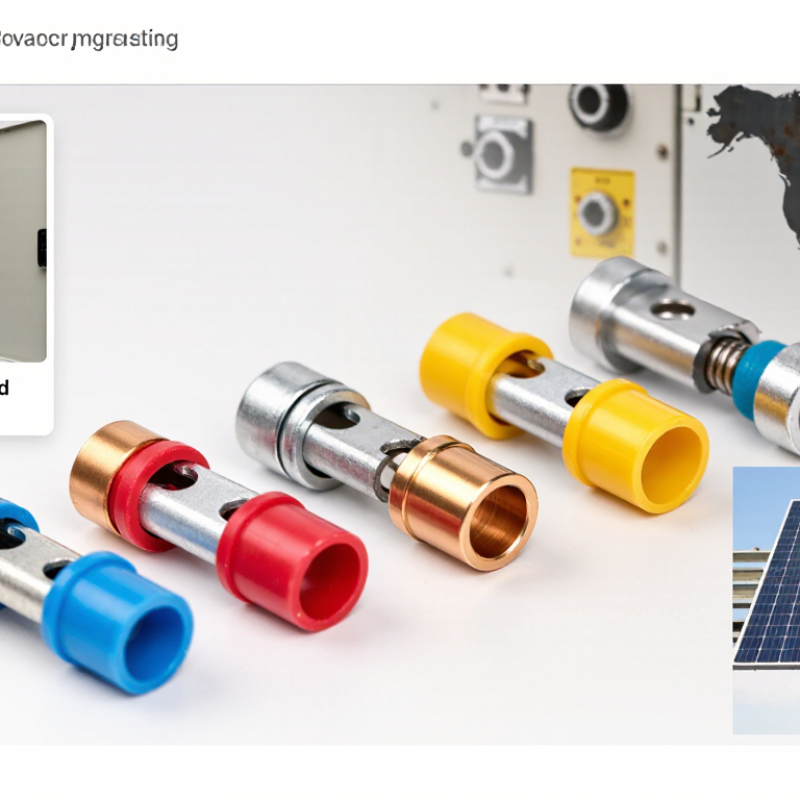
7 Best Insulated Terminal Lugs for Global Buyers?

What Insulated Terminal Lugs Are and How They Work

7 Best Insulated Terminal Lugs for Global Buyers?

What Insulated Terminal Lugs Are and How They Work

Insulated terminal lugs connect electrical wires to studs, screws, or other conductors. Their metal barrel holds the stripped wire, while the insulated sleeve covers the connection area. This sleeve helps prevent accidental contact, short circuits, and damage from nearby components. The connection begins when a wire enters the barrel. A calibrated crimping tool then compresses the barrel around the conductor strands. The metal tongue remains outside for mounting.

Common designs include ring, fork, pin, blade, butt, parallel, and closed-end forms. Ring lugs resist loosening during vibration because the fastener passes through the terminal hole. Fork lugs install faster, but they may need extra checking in moving equipment. The correct choice depends on wire size, stud diameter, current demand, temperature, and installation space. Color coding can assist selection, but it should not replace measurement.

Reliable installation requires clean copper, accurate stripping, and a matching crimp profile. A loose crimp can create heat, discoloration, or intermittent power. An overly tight crimp may damage the strands. I usually inspect the sleeve for cracks and check that no bare copper extends beyond the barrel. A gentle pull test can reveal weak compression, although it cannot replace proper testing. The insulation is helpful, not magical. Moisture, vibration, and incorrect torque can still cause failure. Some terminals look secure while hiding poor internal contact. Avaliable certification markings and documented material details deserve careful review before large-scale purchasing.

7 Best Insulated Terminal Lugs for Global Buyers? - What Insulated Terminal Lugs Are and How They Work

Rank Insulated Terminal Lug Type Typical Conductor Range Typical Stud or Connection Size Insulation and Construction Typical Electrical Rating How It Works Best Use
1 Insulated Ring Terminal 0.5–6 mm²
Approximately 20–10 AWG
M3–M8 stud holes
Approximately #4–5/16 in
Stamped or formed copper barrel with color-coded PVC or nylon insulation Commonly 300–600 V
Up to approximately 75–105°C, depending on insulation
The circular tongue fits around a threaded stud and remains secured when the fastener is slightly loosened. Reliable permanent wiring, control panels, automotive circuits, batteries, and industrial equipment
2 Insulated Fork or Spade Terminal 0.5–6 mm²
Approximately 20–10 AWG
M3–M8 stud holes
Approximately #4–5/16 in
Electrolytic copper or tinned copper terminal with flared insulating sleeve Commonly 300–600 V
Up to approximately 75–105°C
The open fork slides beneath a screw head, allowing faster installation without fully removing the fastener. Control wiring and applications requiring quick termination or frequent service access
3 Insulated Pin Terminal 0.5–6 mm²
Approximately 20–10 AWG
Designed for screw-clamp terminals
Commonly 2.5–6 mm² terminal entries
Copper pin with PVC or nylon insulation that supports the wire entry Commonly 300–600 V
Up to approximately 75–105°C
The solid pin enters a terminal block or clamp connection and prevents stranded wires from spreading. Terminal blocks, circuit breakers, relays, contactors, and compact control cabinets
4 Insulated Blade or Flat-Tab Terminal 0.5–6 mm²
Approximately 20–10 AWG
Usually 2.8, 4.8, or 6.3 mm tab width Crimped copper receptacle or tab with an insulated sleeve or fully insulated housing Commonly 250–600 V
Temperature depends on housing and contact system
A male tab and female receptacle create a detachable electrical connection through spring contact pressure. Automotive harnesses, appliances, lighting assemblies, and serviceable internal wiring
5 Insulated Hook Terminal 0.5–2.5 mm²
Approximately 20–13 AWG
M3–M5 stud holes
Approximately #4–#10
Formed copper hook with PVC or nylon insulation Commonly 300–600 V
Up to approximately 75–105°C
The hook captures the screw or stud from one side while the fastener is tightened. Compact control circuits where side-entry installation is useful but a ring terminal is unnecessary
6 Insulated Butt-Splice Terminal 0.5–6 mm²
Approximately 20–10 AWG
Inline connection; no stud hole Metal splice barrel covered by color-coded PVC, nylon, or heat-shrink insulation Commonly 300–600 V
Heat-shrink versions can provide improved sealing
Two stripped wire ends are inserted into opposite sides and crimped to form a continuous electrical path. Wire-to-wire repairs, harness extensions, field installation, and inline cable joining
7 Insulated Twin-Wire Ferrule Two conductors, commonly 0.5–6 mm² total cross-section
Approximately 20–10 AWG per conductor, depending on design
For screw-clamp terminal entries
Commonly used in 2.5–10 mm² terminals
Tin-plated copper sleeve with an insulated collar that groups two stranded conductors Commonly 300–600 V
Temperature depends on ferrule and terminal system
Two wire ends are inserted into one sleeve and crimped so they can enter a single terminal clamp evenly. Control cabinets, distribution blocks, PLC wiring, and connecting two conductors to one terminal point

Note: Electrical ratings, conductor ranges, temperature limits, and applicable approvals vary by terminal design, crimping tool, wire type, and installation method. Always verify the manufacturer’s datasheet and the requirements of applicable standards before use.

Key Standards and Specifications for International Buyers

For international buyers, the seven best insulated terminal lugs are not chosen by appearance alone. Selection starts with standards, traceability, and application data. IEC 60352-2 covers solderless crimped connections, while IEC 61238-1 evaluates compression and mechanical connectors. In North American projects, UL 486A-486B remains a common reference for wire connectors. Check conductor size, current rating, voltage class, insulation temperature, and approved crimping tools. A bright barrel means little without verified test results.

Demand for dependable terminations is increasing. The International Energy Agency’s Renewables 2024 report recorded nearly 585 GW of new renewable capacity in 2024. Outdoor equipment faces vibration, moisture, heat, and repeated thermal cycling. Specify tinned copper when corrosion exposure is expected, but confirm compatibility with the conductor and installation environment. Review pull-out strength, crimp height, insulation support, and short-circuit performance. The exact values must match the applicable standard and cable size.

Do not trust one certificate blindly. A field inspection should compare markings, batch records, die references, and conductor fit. Regional approvals can differ, even for similar products. I have seen catalog ratings misunderstood when testing used different wire classes. That is an uncomfortable detail. Buyers should request independent laboratory reports, material declarations, and installation instructions before approving any of the seven options. A lower price may reflect fewer tests, weaker insulation, or incomplete documentation. Sometimes, the safest choice is the least convenient one.

7 Best Insulated Terminal Lugs for Global Buyers

Key standards and typical conductor-size capabilities for international purchasing decisions

The chart shows a typical upper conductor cross-section found in international product ranges. Actual ratings depend on the exact lug design, conductor class, crimping tool, installation method, temperature, and applicable approval.

Copper compression lug
IEC 61238-1 and DIN 46235 are commonly referenced for permanent compression connections in power cables.
Aluminum compression lug
Designed for aluminum conductors; oxide control, correct die selection, and compatible joint compounds are essential.
Bi-metal compression lug
Used for aluminum-to-copper transitions and helps reduce galvanic compatibility risks at equipment connections.
Heavy-duty copper crimp lug
UL 486A-486B or IEC 61238-1 may be relevant, depending on the product and intended installation market.
Insulated crimp terminal
Common in control panels and low-voltage wiring; check insulation temperature, flame rating, wire range, and pull-out performance.
Insulated ring terminal
Provides better resistance to accidental loosening than open fork designs when the fastener must remain captive.
Insulated fork terminal
Useful for faster installation where permitted; verify terminal-block compatibility and applicable safety requirements.

For international sourcing, confirm the conductor cross-section in mm² or the equivalent AWG range, stud-hole diameter, barrel dimensions, material and plating, insulation temperature rating, voltage and current limits, crimp-tool requirements, packaging traceability, and conformity with the destination-market standard.

Seven Insulated Terminal Lug Types Compared by Application

7 Best Insulated Terminal Lugs for Global Buyers?

Seven Insulated Terminal Lug Types Compared by Application

Ring terminals suit control panels, battery posts, and equipment exposed to vibration. Their closed eye stays secured when a screw loosens slightly. Fork terminals install faster, making them practical for serviceable panels and test circuits. They can slip out under movement, though. Pin terminals fit narrow spring clamps and compact terminal blocks. Their rigid tip helps prevent wire strands from spreading during insertion.

Blade terminals work well in automotive harnesses and low-voltage equipment. Male and female versions create quick, repeatable connections. Butt-splice terminals join two wires inside a sealed or insulated barrel. Technicians often use them for harness repairs and extension work. Parallel splice terminals connect wires side by side, especially in lighting and control circuits. They need careful crimp pressure. A weak crimp can pass a basic continuity test and still fail later.

Closed-end terminals cap several conductors for simple distribution points. They are useful in junction boxes when space is limited. Selection should match conductor size, insulation temperature, current rating, and installation environment. I check the terminal barrel against the stripped wire, then inspect the crimp profile and pull resistance. Color coding helps, but it is not a substitute for measurement. One practical mistake is choosing a larger lug for easier insertion. That extra space can create heat, movement, and unreliable contact. Test samples under expected vibration and temperature. Field conditions are rarely as clean as the workbench.

How to Evaluate Quality, Compatibility, and Safety

Choosing the seven best insulated terminal lugs for global buyers requires more than checking price or appearance. Quality begins with clean copper, even plating, and a firm insulation sleeve. The lug should accept the stated wire gauge without forcing or excessive movement. A practical check is simple: insert the stripped conductor fully, crimp it with the correct die, then perform a gentle pull test. Loose strands or sleeve damage signal poor control.

Compatibility depends on more details. Check wire size, stud diameter, insulation material, operating temperature, and expected vibration. A lug designed for a small control panel may fail in a hot engine compartment. Confirm the terminal’s voltage and current ratings through technical documentation, not online photographs. In my inspections, color coding has helped identify sizes quickly, but it has also caused confusion when suppliers use different conventions. Always measure.

Tips: Keep the insulation outside the crimp barrel. Use calibrated crimping tools and inspect both sides after crimping. Look for complete compression, no cracks, and no exposed conductor beyond the barrel. For safety, select terminals with secure insulation, flame-resistant materials, and stable contact surfaces. Test sample pieces before ordering large quantities. I would not rely only on a factory certificate; traceable test data is stronger evidence. Sometimes, even a neat-looking connection needs rework.

Global Sourcing, Certification, and Delivery Considerations

7 Best Insulated Terminal Lugs for Global Buyers?

Global buyers should evaluate insulated terminal lugs beyond price and appearance. The best options usually include ring, fork, butt, pin, and quick-disconnect designs. Each type supports different wiring layouts and maintenance needs. Choose copper or tinned copper when conductivity and corrosion resistance matter. Confirm the insulation material, temperature range, wire gauge, and crimping requirements before ordering.

Certification must match the destination market and the equipment’s application. Request current test reports, material declarations, dimensional drawings, and batch traceability from the supplier. Do not rely on a printed certificate alone. Check whether laboratory documents cover the exact lug series and insulation grade. In my experience, small differences in barrel size can create serious installation problems. This detail is easy to overlook.

Tips: Ask for pre-production samples. Test crimp strength, pull resistance, insulation grip, and fit with your tools. Confirm packaging protects terminals from moisture during ocean transport. Agree on inspection points, carton labeling, and acceptable defect limits. Delivery planning should include production time, port congestion, customs documents, and buffer stock. A low unit price may lose its value after delays. I have seen schedules fail because one document contained the wrong product code. That mistake was avoidable. Consider independent inspection when order volumes are high. Reliable sourcing requires evidence, not assumptions.

Brands

Proudly Trusted by Top Suppliers Worldwide

Let us know and we will automate, together to fit your industrial needs.

Clients

Proudly Trusted by Top Companies Worldwide

Do you need Help? Get in touch.

X

Please fill out the form below and we will get back to you as soon as possible.

    Subscribe our newsletter & get updates







