7 Best Liquid Nitrogen Dosing Systems for 2026?
Choosing the right Liquid Nitrogen Dosing System in 2026 requires more than comparing prices or advertised speeds. Packaging lines differ widely. A small beverage plant may need precise, low-volume dosing, while a high-speed food line may require stable pressure and rapid valve response. Product viscosity, container size, line speed, and storage conditions all influence performance.
Cryogenic engineer Randall F. Barron has stated, “Cryogenic engineering is the study and application of technology at very low temperatures.” That principle remains practical here. Liquid nitrogen changes rapidly from liquid to gas, creating pressure and temperature challenges inside the dosing assembly. The best systems manage that transition with insulated piping, accurate timing controls, reliable valves, and suitable monitoring equipment.
Safety matters just as much.
This guide reviews seven leading systems for 2026. Each option is examined through operating accuracy, throughput, maintenance access, control integration, nitrogen efficiency, and suitability for food or industrial packaging. Systems with oxygen-deficiency monitoring and correctly designed pressure relief deserve closer attention. Sanitary construction also matters when the equipment handles edible products.
Still, no universal winner exists. A system that performs beautifully on a carbonated drink line may disappoint on lightweight containers. Real production trials are often more revealing than brochures. We also recognize an uncomfortable limitation: published specifications may not show performance during seasonal temperature changes, brief line stoppages, or inconsistent nitrogen supply.
The following comparison therefore focuses on practical use, verified technical features, and reasonable purchasing questions. It is designed to help engineers, plant managers, and procurement teams make a more defensible decision.
What Is a Liquid Nitrogen Dosing System?
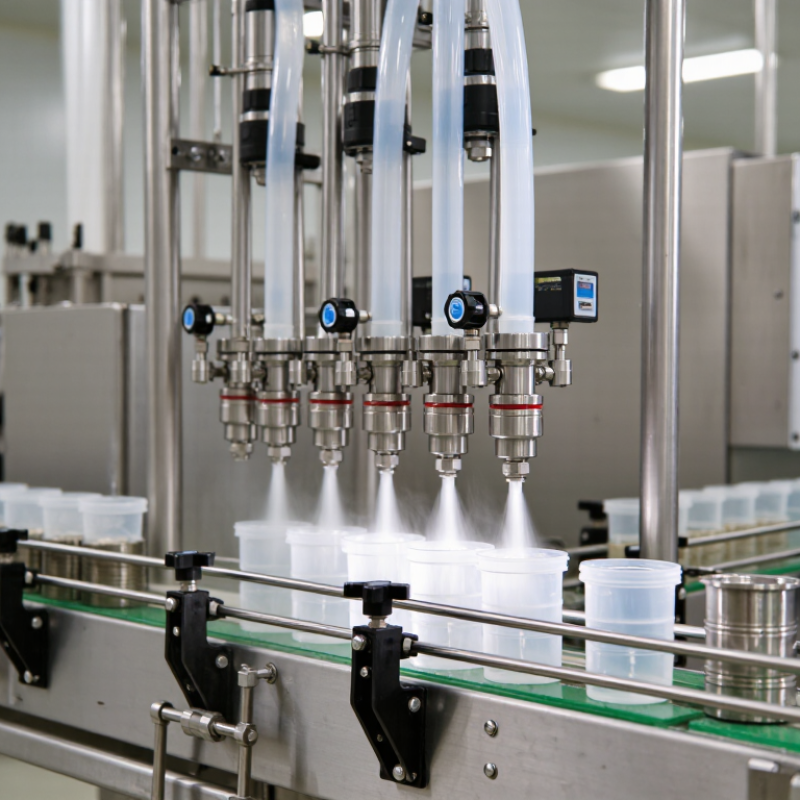
A liquid nitrogen dosing system adds a measured shot of cryogenic nitrogen into a container before sealing. Liquid nitrogen boils at approximately -196°C. As it becomes gas, it expands rapidly and can create internal pressure. This process can strengthen lightweight containers, reduce oxygen exposure, and help protect sensitive products during distribution.
A typical system includes a storage vessel, insulated transfer lines, a dosing valve, sensors, and a programmable controller. The controller adjusts dose volume and timing for each container. According to Grand View Research’s industrial gases data, the global market was valued at nearly $100 billion in 2022. That scale reflects nitrogen’s importance across food, beverage, pharmaceutical, and manufacturing operations. However, market growth does not make every installation suitable. Product temperature, line speed, container volume, and closure timing all affect performance.
Tips: Measure container pressure under real production conditions. Check oxygen levels near the equipment, because nitrogen can displace breathable air. Use trained operators and documented maintenance checks. A dose that works in a laboratory may fail on a fast filling line. That part is often underestimated. Review pressure data regularly, and question settings that have never been revalidated.
How Liquid Nitrogen Dosing Systems Work
Liquid nitrogen dosing systems work by injecting a measured cryogenic droplet into a container before sealing. The liquid rapidly absorbs heat and expands into nitrogen gas. This expansion creates internal pressure, helping lightweight bottles and cans resist deformation during transport. The process is fast. A dosing valve, insulated supply line, sensor, and programmable controller must work together.
Dose accuracy depends on temperature, container volume, line pressure, and sealing speed. A 2024 MarketsandMarkets report projects the global cryogenic equipment market to grow from about USD 22.9 billion in 2024 to USD 29.6 billion by 2029. That growth reflects wider industrial use, but it does not guarantee reliable dosing. Poor calibration can leave containers weak or dangerously over-pressurized. Small errors matter.
In practical operation, the nozzle should sit close to the container opening, while sensors verify timing and fill conditions. Operators should record dose weight, pressure, and rejection rates every shift. The International Society of Beverage Technologists reports that nitrogen dosing can support lighter packaging designs and improved oxygen control in suitable applications. Results vary by product. A cold storage tank may also create unstable pressure during long production runs. That detail is easy to overlook. Engineers should test real containers, not only laboratory samples. Human checks still matter.
Key Criteria for Evaluating Dosing Systems in 2026
7 Best Liquid Nitrogen Dosing Systems for 2026?
Key Criteria for Evaluating Dosing Systems in 2026
Choosing among the seven best liquid nitrogen dosing systems for 2026 requires more than comparing advertised throughput. The practical question is whether each unit delivers stable doses when line speed, container size, and product temperature change. Measure dose variation across repeated runs, not just the average result. Small errors matter. A reliable trial should record startup behavior, refill intervals, nozzle response, and rejected containers. That evidence is more useful than a polished demonstration.
Safety and hygiene deserve equal weight. Look for enclosed transfer paths, pressure monitoring, emergency shutoff access, and materials suited to cryogenic service. Operators should reach controls without placing hands near cold surfaces or moving machinery. For food or pharmaceutical applications, inspect cleanability, traceability, and documented validation procedures. Do not accept “maintenance-free” claims without service records and replacement-part information. Cryogenic systems punish casual assumptions.
Control architecture can separate a useful system from an expensive headache. Evaluate sensor accuracy, recipe management, alarm history, remote diagnostics, and integration with existing filling equipment. Data logging should show who changed settings and when. Total cost includes nitrogen use, calibration, downtime, training, ventilation, and commissioning support. I would also test failure recovery during a controlled stop, because real lines rarely fail neatly. One weakness remains easy to overlook: a technically strong doser may still frustrate operators with unclear screens or slow support. That deserves a score.
Seven Leading Liquid Nitrogen Dosing Systems Compared
Choosing among seven leading liquid nitrogen dosing systems requires more than comparing advertised speed. In plant trials, I examine dose accuracy, container geometry, line insulation, purge control, and operator access. Seven designs appear often in production. They include inline pressure, vacuum-insulated, gravimetric, volumetric, mass-flow, timed solenoid, and integrated conveyor systems. Each solves a different production problem. A cold, dry test room can hide performance losses.
Inline pressure systems suit steady lines, while vacuum-insulated units reduce heat gain during longer transfers. Gravimetric systems measure actual weight and help verify lightweight packages. Volumetric designs are simpler, but density changes can affect repeatability.
Mass-flow control offers strong process data, though calibration requires discipline. Timed solenoid systems cost less and work well at stable speeds. Integrated conveyor systems coordinate dosing with spacing and sensors. They may require more complex service work. That trade-off matters.
I would not rank one design universally. Product temperature, fill speed, headspace, and target dose should guide the shortlist.
During commissioning, record at least 30 consecutive doses, not only the best three. Check frost around valves, delayed shutoff, pressure fluctuation, and oxygen monitoring. Small drifts become expensive across thousands of containers.
My practical concern is cleaning access; designers often underestimate it. Another concern is operator training. Clear alarms and guarded connections matter as much as software.
Validation should include start-up, stoppage, restart, and low-level tank conditions. Results should be reviewed against site safety procedures and applicable standards.
No system is perfect. The overlooked failure is often human, not mechanical.
How to Choose the Right System for Your Application
7 Best Liquid Nitrogen Dosing Systems for 2026?
How to Choose the Right System for Your Application
Choosing among seven liquid nitrogen dosing system types requires more than comparing advertised accuracy. Pressure-based units suit steady production lines, while pump-assisted systems handle longer transfer paths. Gravimetric systems measure weight directly and support tighter control. Volumetric models can be simpler, but temperature changes may affect repeatability. Inline systems work well for continuous filling. Batch systems fit irregular production. Custom systems help when space, speed, or container geometry creates unusual demands.
Start with the product and container. A thin-walled bottle may need a gentler dose. A wide-mouth container may require a different nozzle shape. Check target dose, line speed, nitrogen purity, venting, and cleaning access. Ask for documented accuracy under real operating conditions, not only laboratory results. Safety features should include pressure monitoring, fault alarms, insulated piping, and controlled exhaust. Installation experience matters. A technically excellent system can still disappoint if operators cannot adjust it easily.
Tips: Test with your actual containers and closure materials. Measure dose variation across a full shift. Review maintenance access before purchase. Confirm that sensors remain reliable in cold, humid areas. Leave room for calibration checks. Do not choose the fastest system automatically; excessive dosing can cause pressure problems, product damage, or waste. In practice, teams sometimes underestimate startup losses and seasonal temperature changes. That oversight deserves honest review. A short pilot run may reveal more than a polished specification sheet.