o
p
t
i
m
a
r
o
b
o
t
i
c
s

Make a Call


Make a Call
Blogs
7 Tips for Choosing a Gelinshi Stringing Machine?
Choosing a Gelinshi Stringing Machine is not just a matter of comparing prices or choosing the model with the most features. The right machine should suit your production volume, string type, workspace, and operators’ experience. A setup that works well for occasional jobs may slow a busy workshop. Small details matter. Consider the frame’s stability, the tensioning system, clamp movement, and how easily settings can be adjusted. These details affect both workflow and consistency.
This guide introduces seven practical points to review before making a decision. Look for clear specifications, accessible maintenance guidance, and support you can verify with the supplier. If possible, ask for a demonstration using the strings and frames you actually handle. A brochure can look convincing. A test tells you more. Check whether tension readings remain consistent across repeated jobs, and notice how much time is spent repositioning clamps or correcting errors. It is also worth asking about replacement parts, warranty terms, and operator training. The answers may vary by model and region, so confirm them in writing rather than relying on assumptions.
No checklist can guarantee a perfect purchase. I would not treat a low price or a long feature list as proof of value; both can distract from daily usability. Even a careful comparison may miss something until the machine is installed. That is worth admitting. Use the tips below to compare options methodically, identify trade-offs, and choose a Gelinshi Stringing Machine that fits your real workload—not just an impressive product description.
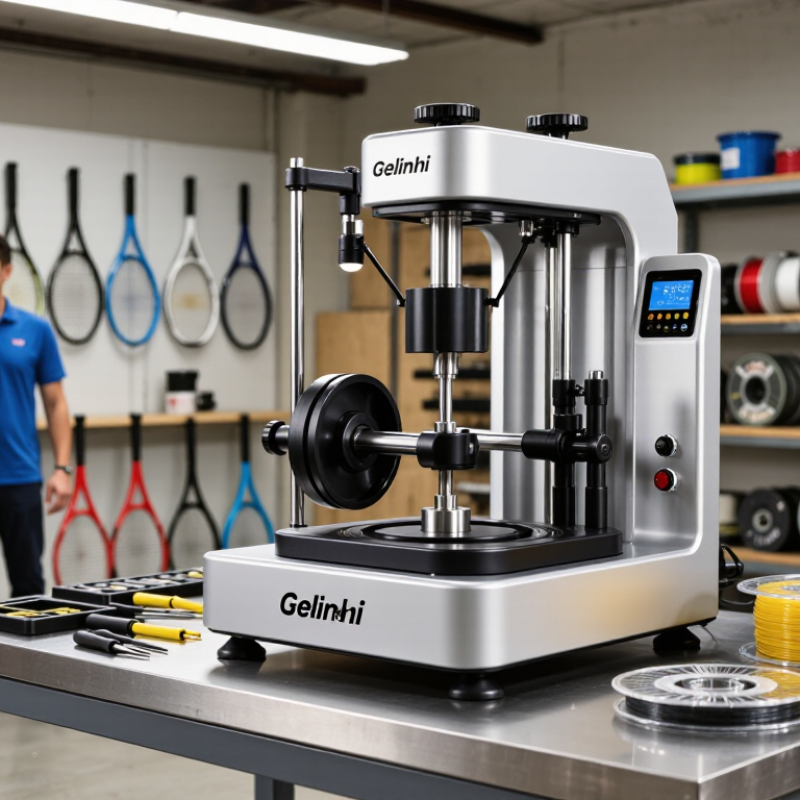
Table of Contents [Hide]
Understanding Your Stringing Needs Before Choosing a Gelinshi Machine
Before choosing a stringing machine, define what you actually string and how often. A home user handling two or three racquets each month has different needs from a busy shop working through a queue. Note the racquet types, frame sizes, and string materials you use. Start there. A small log of recent jobs can reveal patterns you might otherwise overlook.
Next, consider the work itself. Do you need adjustable tension for different players, or a simple setup for repeat jobs? Check that the mounting system can hold your frames securely without making adjustments awkward. Look closely at the clamps, tension head, and turntable. Smooth movement matters when you are threading string through tight grommets. So does clear, repeatable tension control. If possible, test the machine with a familiar frame before buying. Specifications help, but they do not show how a clamp feels after an hour.
Your workspace and schedule matter too. Measure the bench, leave room for tools, and think about noise if the machine will sit near a living area. Ask how calibration is checked and whether replacement parts are easy to obtain. A faster machine is not automatically better if setup takes longer than the jobs you do. It is easy to focus on features and miss daily comfort; even experienced users can overlook that. Decide which trade-offs you can live with, then compare machines against your actual workload.
Brands
Proudly Trusted by Top Suppliers Worldwide







Let us know and we will automate, together to fit your industrial needs.
 +91-97254 16844
Clients
Proudly Trusted by Top Companies Worldwide


Do you need Help? Get in touch.
X
Please fill out the form below and we will get back to you as soon as possible.