o p t i m a r o b o t i c s

Blogs

What is an Automation System and How Does it Work?

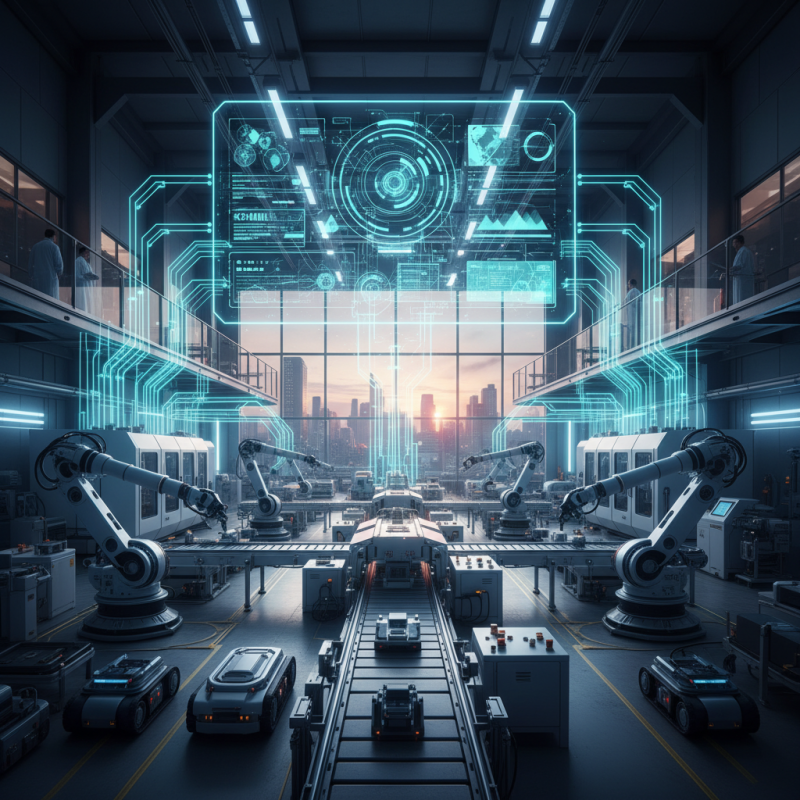
An automation system plays a crucial role in modern industry. It streamlines operations and minimizes human intervention. These systems integrate hardware and software to manage processes efficiently.

Imagine a factory where machines communicate seamlessly. This not only boosts productivity but also reduces errors. However, relying solely on technology has its downsides. Over-dependence may lead to vulnerabilities, especially during failures. An ideal automation system balances efficiency with human oversight.

Understanding how an automation system works helps businesses innovate. Yet, implementation requires careful planning and adaptability. Each organization faces unique challenges. The right automation strategy can transform operations, but it needs constant evaluation and adjustment.
What is an Automation System and How Does it Work?

Definition of Automation System and Its Key Components
What is an Automation System and How Does it Work?

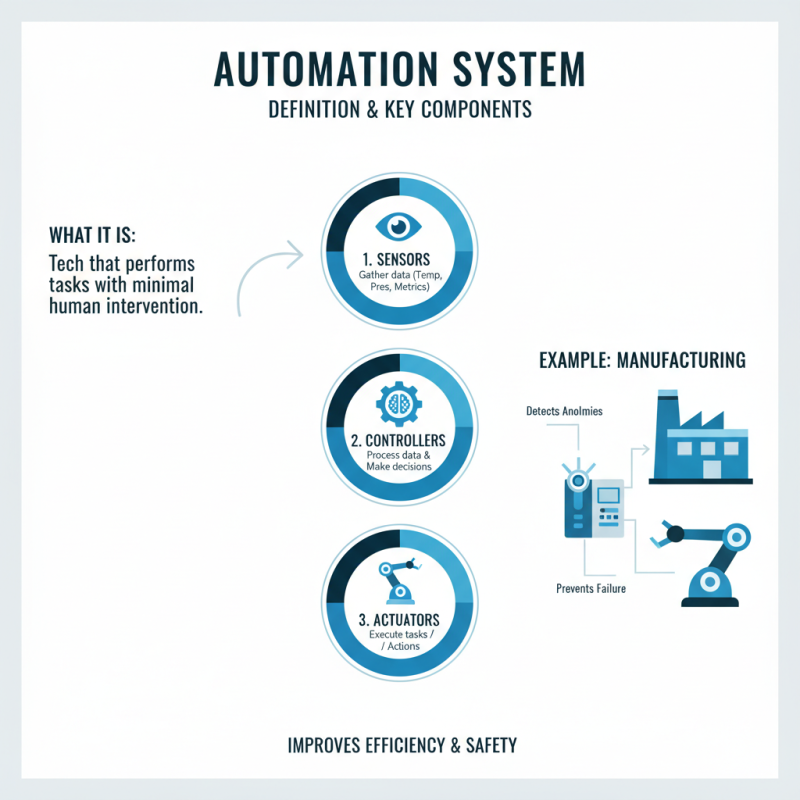
An automation system refers to a set of technologies designed to perform tasks with minimal human intervention. Typically, it consists of three key components: sensors, controllers, and actuators. Sensors gather data from the environment. They monitor temperature, pressure, and other vital metrics. For instance, in manufacturing, sensors can detect anomalies that may indicate equipment failure. This data is crucial for maintaining operational efficiency and safety.

Controllers process the information collected by sensors. They analyze data and make decisions based on predefined criteria. Advanced controllers can also adapt in real-time, enhancing system responsiveness. According to a report by McKinsey, automation can improve productivity by up to 30% in certain sectors. However, the effectiveness of a controller hinges on accurate data and well-defined parameters.

Actuators carry out the commands issued by controllers. They physically adjust machinery, valves, or other mechanical systems. For example, an actuator might regulate the flow of liquids in a chemical processing plant. Yet, integrating these components is not without challenges. Misalignment in data or hardware can lead to inefficiencies. Companies must continuously evaluate their automation systems to ensure they are optimized.
Mechanisms of Automation: Sensors, Actuators, and Controllers

Automation systems rely heavily on three main components: sensors, actuators, and controllers. Sensors act as the eyes of an automation system. They detect changes in the environment, such as temperature, light, or pressure. This data is crucial for effective operation. A sensor's accuracy is vital. If it fails, the entire system might misinterpret conditions. For example, a temperature sensor may read inaccurately, leading to overheating or energy waste.

Actuators translate commands from controllers into physical actions. They might open a valve, start a motor, or adjust a thermostat. The type of actuator used can influence the system's efficiency. Not all actuators are suitable for every task. Some may respond too slowly, while others might lack precision. This variation can complicate decision-making for designers and engineers.

Controllers serve as the brain of the system. They process inputs from sensors and determine appropriate actions through actuators. A controller must be programmed thoughtfully. Poor programming can lead to errors, making the system unreliable. For instance, a simple logic flaw could cause an expensive production halt. Understanding each component's role is essential for creating a reliable automation system. Balancing precision, responsiveness, and complexity remains an ongoing challenge.

What is an Automation System and How Does it Work?

Component Function Example
Sensor Detects changes in the environment and collects data Temperature Sensor
Actuator Converts signals into physical action Electric Motor
Controller Processes input from sensors and sends commands to actuators Programmable Logic Controller (PLC)
Human-Machine Interface (HMI) Allows users to interact with the automation system Touchscreen Display
Network Facilitates communication between different components Ethernet Network

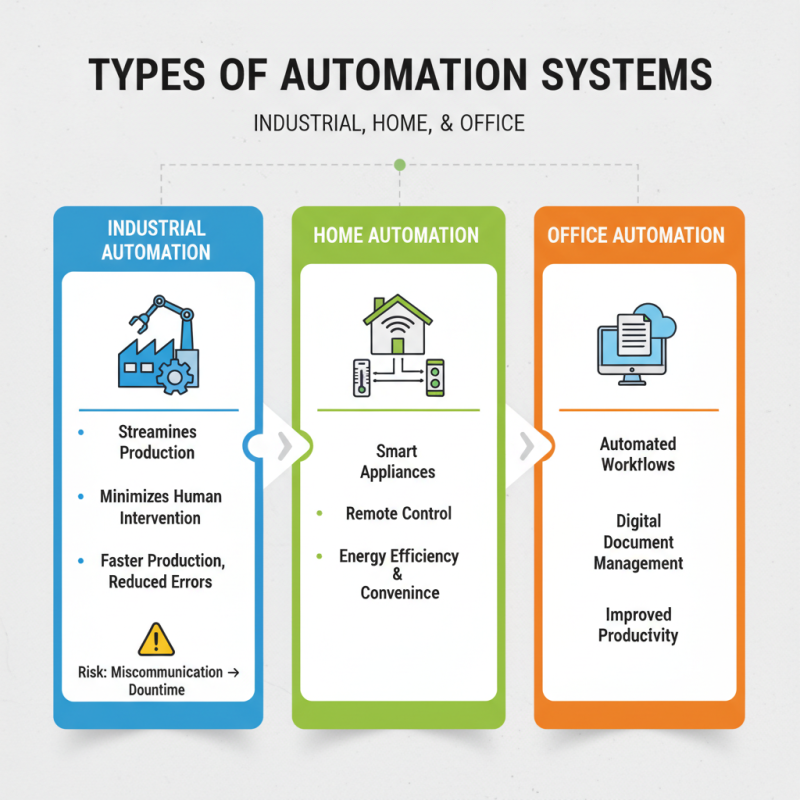
Types of Automation Systems: Industrial, Home, and Office Automation

What is an Automation System and How Does it Work?

Automation systems have transformed various sectors, making tasks easier and more efficient. In industrial settings, these systems streamline production processes. They utilize machines and software to minimize human intervention. This results in faster production times and reduced errors. However, miscommunication between systems can occur, leading to unexpected downtimes.

Home automation has become increasingly popular. Devices like smart thermostats and lighting systems enhance convenience and energy savings. Home security systems also benefit from automation. Yet, reliance on technology may create vulnerabilities. Cybersecurity issues can arise if proper measures are not taken.

Office automation simplifies administrative tasks. Scheduling, data entry, and communication are simplified through software solutions. This efficiency allows employees to focus on critical work. However, the challenge lies in integrating these systems with existing workflows. Make sure to assess compatibility before implementation.

**Tips:** Always update your systems to maintain security. Regular training can help staff adapt to new tools. Evaluate the effectiveness of automation periodically to ensure it meets your goals.

How Automation Systems Improve Efficiency and Productivity

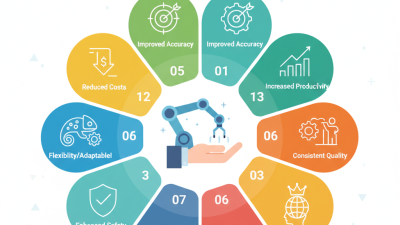
Automation systems play a significant role in enhancing efficiency and productivity across various industries. By streamlining repetitive tasks, these systems reduce the time employees spend on mundane activities. For example, in manufacturing, automation minimizes human error while operating machinery. This results in higher output and better quality control.

The implementation of automation can also lead to valuable data insights. Automated systems collect and analyze data from processes, aiding in informed decision-making. Look at inventory management; an automated system can track stock levels in real-time, facilitating timely reorders and preventing shortages. This efficiency translates directly into cost savings.

However, automation is not without challenges. Organizations must address the initial investment and training. Employees may feel threatened by job displacement. Communicating the benefits of automation is essential for acceptance. Reflecting on these aspects helps organizations navigate the delicate balance between efficiency and workforce management.

Challenges and Considerations in Implementing Automation Systems

Implementing automation systems can be a complex process. One significant challenge is workforce adaptation. A report by McKinsey states that automation could affect up to 30% of jobs by 2030. This shift may create resistance among employees who fear job displacement.

Another consideration is technology integration. Many companies struggle to incorporate new automation tools with existing systems. According to a study by Harvard Business Review, only 30% of automation initiatives reach full-scale implementation. This low success rate often stems from insufficient training and support for staff.

Data security also presents a concern. As companies automate, they process more sensitive information. A survey by Gartner indicates that 75% of organizations experience security breaches during automation deployment. Companies must therefore prioritize cybersecurity measures to safeguard data. These challenges highlight the need for careful planning and continuous evaluation throughout the automation journey.

Automation System Implementation Challenges

Brands

Proudly Trusted by Top Suppliers Worldwide

Let us know and we will automate, together to fit your industrial needs.

Clients

Proudly Trusted by Top Companies Worldwide

Do you need Help? Get in touch.

X

Please fill out the form below and we will get back to you as soon as possible.

    Subscribe our newsletter & get updates