Top Benefits of an Automation System for Your Business Efficiency
In today's fast-paced business environment, the adoption of an automation system has become essential for organizations aiming to enhance their efficiency and competitiveness. According to a report by McKinsey & Company, over 60% of occupations could be automated to some extent, highlighting how automation can significantly reduce labor costs and increase productivity. Furthermore, a study by PwC estimates that AI and automation could contribute up to $15.7 trillion to the global economy by 2030, underscoring the transformative impact these technologies can have on various industries.
Implementing an automation system allows businesses to streamline operations, minimize human error, and allocate resources more effectively. Research from Deloitte indicates that companies that have integrated automation into their processes have seen productivity improvements of up to 40%, leading to higher output and quicker turnaround times. The advantages of such systems extend beyond mere operational gains; they also provide valuable insights through data analytics, which can inform better decision-making and strategic planning.
As the landscape of global business continues to evolve, leveraging an automation system presents a significant opportunity for companies to stay ahead of the curve. By embracing automation, organizations can not only enhance their efficiency but also cultivate innovation and adaptability in an increasingly competitive marketplace.

Key Features of Automation Systems That Enhance Business Efficiency
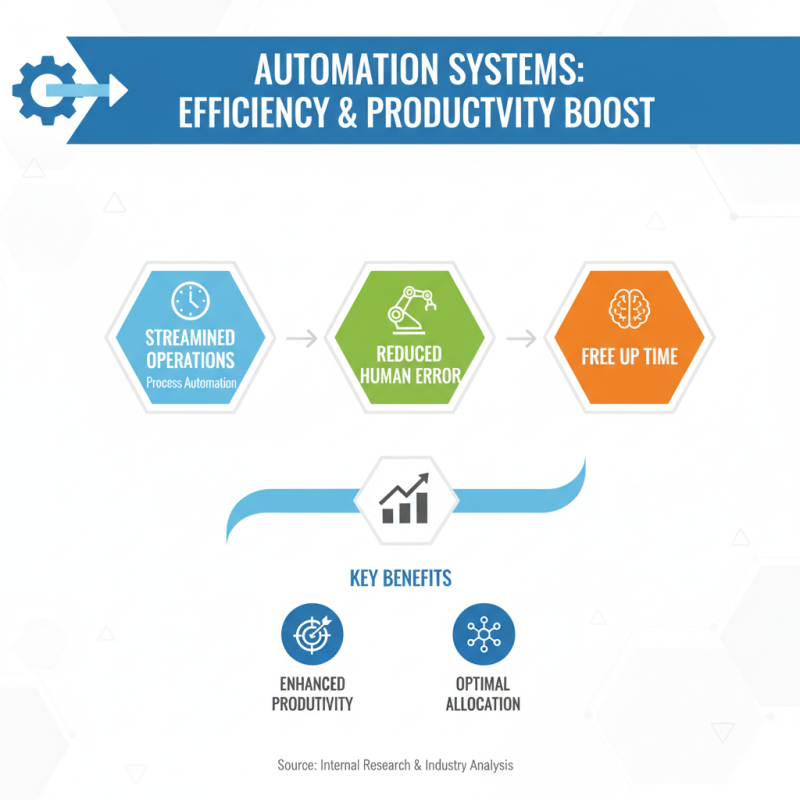
Automation systems have become essential tools for businesses looking to improve efficiency and productivity. One of the key features of these systems is their ability to streamline operations through process automation. By automating repetitive tasks, businesses can significantly reduce human error and free up valuable time for employees to focus on more strategic initiatives. This not only enhances productivity but also allows for better resource allocation across the organization.
Another critical feature is real-time data analytics. Automation systems provide businesses with the capability to collect and analyze data in real time, enabling informed decision-making. This leads to more accurate forecasting, improved inventory management, and enhanced customer insights. By leveraging data effectively, companies can identify trends, optimize processes, and ultimately drive business growth. Additionally, the integration of communication tools within automation systems fosters better collaboration among teams, ensuring that everyone is on the same page and working towards common goals.
How Automation Systems Streamline Daily Operations and Tasks
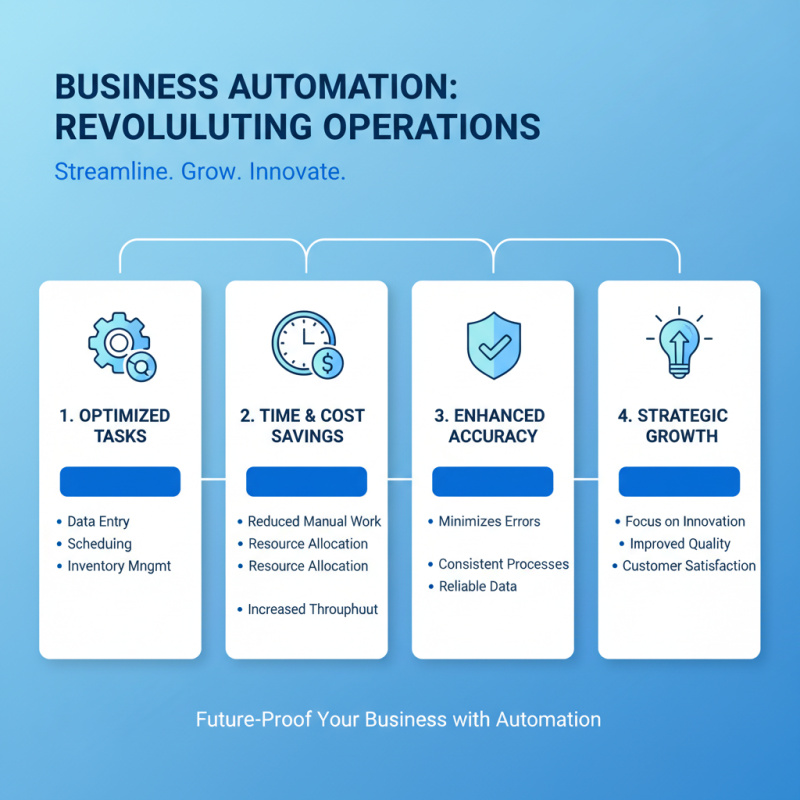
Automation systems are revolutionizing the way businesses operate by streamlining daily operations and tasks. By automating repetitive activities, such as data entry, scheduling, and inventory management, organizations can free up valuable time and resources. This not only minimizes human error but also enhances the accuracy of data handling, allowing teams to focus on more strategic tasks that drive growth and innovation. With automation, businesses can ensure consistency across their processes, leading to improved reliability and customer satisfaction.
Moreover, automation systems facilitate seamless communication and collaboration within teams. By integrating various tools and platforms, these systems enable real-time updates and information sharing, which enhances overall productivity. Employees are no longer bogged down by manual processes; instead, they can leverage automated solutions to manage workflows efficiently. As a result, businesses experience quicker turnaround times and an increase in responsiveness to market demands, which can ultimately provide a competitive edge in today’s fast-paced environment.
The Impact of Automation on Workforce Productivity and Morale
Automation systems have significantly transformed the workplace, enhancing both productivity and employee morale. By streamlining repetitive tasks, businesses can free their workforce to focus on more strategic and creative initiatives. This shift not only leads to improved efficiency but also fosters an environment where employees feel their skills are being utilized effectively. The ability to engage in more fulfilling work boosts overall job satisfaction, making staff feel valued and motivated.
Moreover, the implementation of automation can lead to a reduction in errors and workload stress, which often contributes to employee burnout. As routine tasks are handled by automated systems, employees can enjoy a healthier work-life balance, knowing that they are less likely to be overwhelmed by mundane responsibilities. This positive change in workplace dynamics enhances team collaboration and communication, encouraging a culture of innovation and continuous improvement. In essence, as businesses adopt automation, they pave the way for a more engaged and productive workforce, ultimately driving better outcomes for the organization as a whole.
Cost Savings and ROI: The Financial Benefits of Implementing Automation
Implementing an automation system can lead to significant cost savings and an impressive return on investment (ROI) for businesses of all sizes. By streamlining repetitive tasks and optimizing workflows, automation minimizes labor costs and reduces the likelihood of human error. This efficiency not only accelerates processes but also allows employees to dedicate their time to higher-value activities, ultimately increasing overall productivity. As tasks that typically consume abundant resources are handled swiftly, businesses witness a notable decrease in operational expenditures.
Moreover, the financial benefits extend beyond mere labor savings. Automation can significantly enhance data accuracy and reduce compliance-related costs, which are crucial for maintaining industry standards. With automated systems, businesses can track performance metrics in real time, enabling informed decision-making that drives profitability. The initial investment in automation technology often pales in comparison to the long-term savings and revenue opportunities that arise from enhanced operational efficiency. As businesses grow and adapt, the scalability of automation systems ensures that financial efficiencies will continue to support growth and stability.
Top Benefits of an Automation System for Your Business Efficiency
This bar chart illustrates the top financial benefits of implementing an automation system in a business, including cost savings, time savings, error reduction, productivity improvement, and customer satisfaction. Each category reflects the percentage impact of automation on these aspects, demonstrating the significant advantages businesses can gain from adopting automation technologies.
Real-World Examples of Successful Automation in Various Industries
Automation systems have revolutionized numerous industries, enhancing
efficiency and productivity. One notable example is in manufacturing, where
companies have implemented robotic process automation (RPA) on assembly lines. By utilizing
robots for repetitive tasks such as welding and painting, these manufacturers have significantly reduced production time
and minimized human error. This has not only streamlined operations but also allowed human workers to focus on more
complex duties, ultimately leading to higher output and improved
quality control.
In the retail sector, automation has transformed inventory
management. Many businesses now use automated systems to track inventory levels, manage stock replenishment, and predict
customer demand. For instance, stores employing these automated tools can quickly adjust inventory in response to
real-time sales data, preventing overstock and stockouts. This efficiency
not only increases customer satisfaction through better product availability but also optimizes warehouse space and
reduces waste, demonstrating how automation can drive both operational efficiency and improved customer experience.