o
p
t
i
m
a
r
o
b
o
t
i
c
s

Make a Call


Make a Call
Blogs
What Is an Automotive Door Lock Switch and How Does It Work?
When you press a door-lock button, a simple movement begins an electronic sequence. That small action can secure every door within seconds. The automotive door lock switch is the driver’s direct control for this process. In most modern vehicles, it sends a low-voltage signal to a body control module. The module interprets the request and activates the door-lock actuators. These small motors move mechanical rods inside each door. You may hear a soft click, followed by the latch engaging. That sound is useful, but it does not prove complete locking.
The exact design varies between vehicles. Some switches use separate lock and unlock circuits. Others communicate through a vehicle network, such as CAN communication. A technician may check fuse condition, wiring continuity, switch resistance, and actuator movement. A scan tool can also reveal stored body-control faults. Do not assume a silent switch has failed immediately. A weak battery, damaged wiring, or a defective actuator can create similar symptoms. The simple explanation is helpful, but incomplete. Real diagnosis needs evidence.
This guide explains how the switch works, where its signal travels, and why failures occur. It also connects the button’s behavior with practical inspection steps. For example, a loose connector may interrupt locking when the door vibrates over rough pavement. A worn switch may feel unusually soft or respond only after repeated presses. Manufacturer service information remains the most reliable reference for testing procedures. Personal experience helps identify patterns, but careful measurements prevent expensive guesses.
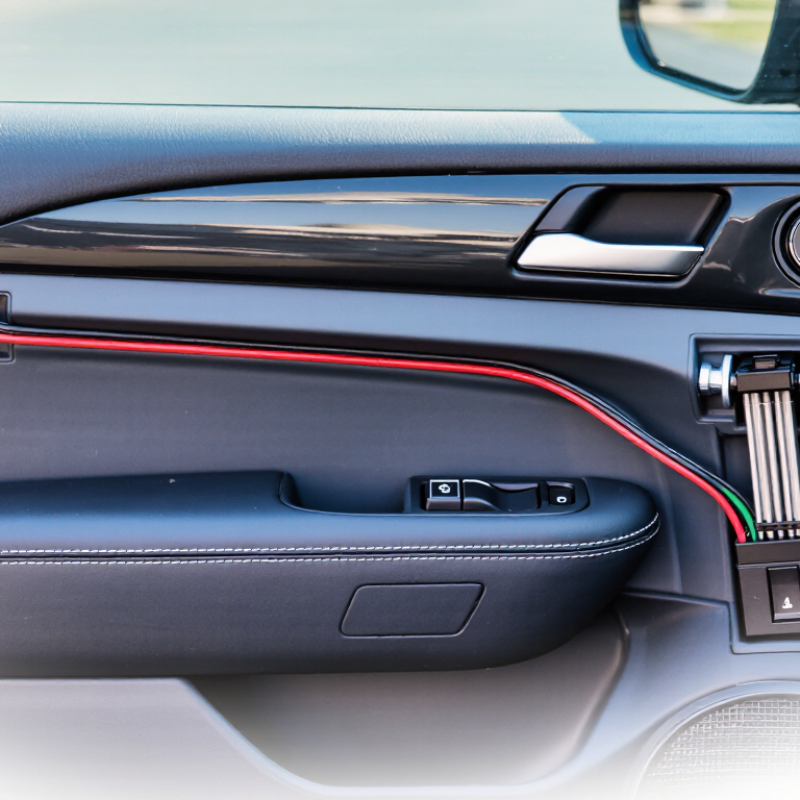
Table of Contents [Hide]
Definition and Purpose of an Automotive Door Lock Switch
An automotive door lock switch is a driver- or passenger-operated electrical control that commands a vehicle door’s locking system.
It usually appears as a small push button on the door panel, near the armrest or handle. When pressed, the switch sends a low-voltage signal to the body control module or a dedicated relay. The system then powers a door-lock actuator, which moves the latch through a short mechanical linkage.
Its purpose is simple: lock or unlock several doors without using each exterior key cylinder. In daily use, the switch saves movement when a driver reaches a parking space, hears a firm “click,” or checks the small lock indicator beside the window. It can also support automatic locking, remote commands, and child-safety strategies.
However, the switch is only one part of the system. A damaged actuator, broken wire, weak fuse, or software fault can produce the same symptom.
The U.S. National Highway Traffic Safety Administration’s 2022 Traffic Safety Facts reported 42,514 traffic fatalities, highlighting why basic occupant protection systems deserve careful attention. Federal Motor Vehicle Safety Standard 206 also sets requirements for door locks and latches, including resistance to accidental opening.
These rules do not make every switch reliable forever. Real-world wear matters. Dust enters the trim. Contacts oxidize. A silent button may still be receiving power, while a noisy actuator may be failing.
Technicians therefore test voltage, ground, switch continuity, and actuator movement instead of replacing parts by guesswork. That approach is slower, but usually more trustworthy.
Brands
Proudly Trusted by Top Suppliers Worldwide







Let us know and we will automate, together to fit your industrial needs.
 +91-97254 16844
Clients
Proudly Trusted by Top Companies Worldwide


Do you need Help? Get in touch.
X
Please fill out the form below and we will get back to you as soon as possible.