How to Batch Concrete for Your Construction Projects?
Batching Concrete is a crucial step in construction projects. Proper batching ensures strong, durable structures. It requires careful measurement of materials like cement, aggregates, and water. Many beginners overlook the importance of accuracy, which can lead to weak or inconsistent mixes.
Each project has unique demands. Adjusting the mix ratio can be challenging. Batching concrete involves practical skills and precision. Mistakes can create delays and increase costs. Understanding the right methods makes a significant difference in outcomes.
Developing a solid batching process improves overall project efficiency. It requires knowledge of ingredients and their interactions. An expert might stress the nuances of different types of aggregates. Learning and refining these skills is essential. Always be ready to reflect on past experiences to enhance future batching practices.
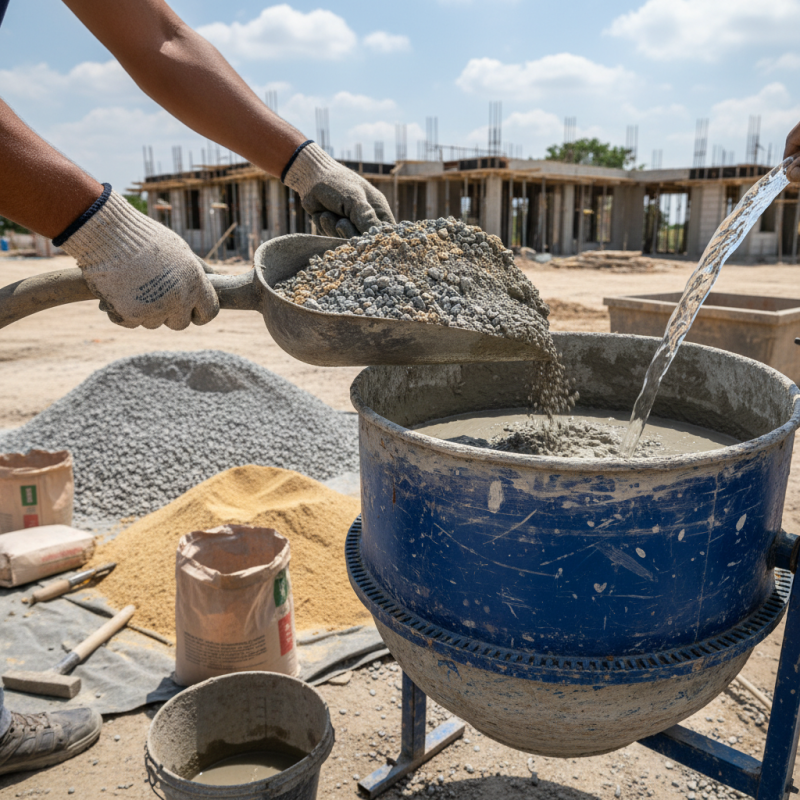
Understanding Concrete Batching: Definitions and Importance in Construction
Concrete batching is a crucial process in construction. It refers to the method of measuring and mixing concrete ingredients, like cement, aggregates, and water, to achieve strength and durability. Understanding this process helps in maintaining quality control, especially on large projects. Accurate batching ensures that each batch of concrete meets specified requirements. This is vital for structural integrity.
In many cases, improper batching can lead to serious issues. Too much water can weaken the mix. Conversely, insufficient water can lead to brittleness. Training on how to batch correctly is often overlooked, yet it is essential. Professionals need to keep learning. Drawing from experience is key. Each mix can behave differently based on many factors, including temperature and humidity.
Also, batching requires precise measurements. Even a slight miscalculation can result in poor outcomes. Keeping a detailed record of each batch allows for better adjustments in the future. Many projects have failed due to inconsistent concrete quality. Therefore, reflecting on past mixes can help improve future results. Attention to detail is not just a skill; it’s a necessity in concrete batching.
Key Ingredients of Concrete: Cement, Aggregates, Water, and Admixtures
Concrete is a vital element in construction projects. Its strength and durability depend on key ingredients: cement, aggregates, water, and admixtures. Cement acts as the binding agent. It is essential for creating a solid and long-lasting structure. According to the American Concrete Institute, cement production contributes around 8% of global carbon dioxide emissions. This highlights the need for eco-friendly alternatives within the industry.
Aggregates, which include sand, gravel, and crushed stone, make up about 60-75% of concrete’s volume. They provide stability and reduce shrinkage. The choice of aggregates affects the concrete's overall strength and sustainability. For example, using recycled aggregates can lower environmental impact. The National Ready Mixed Concrete Association indicates that using recycled materials can reduce waste by 50%.
Water is another crucial component. The water-cement ratio significantly influences concrete's strength and workability. A higher water content generally lowers strength. However, too little water can hinder the mixing process. Admixtures, such as plasticizers and retarders, improve workability and adjust setting times. Using these ingredients wisely can lead to better performance and efficiency in concrete applications. Balancing these ingredients is both an art and a science that requires careful consideration.
Batch Concrete Ingredients for Construction Projects
This bar chart represents the required quantities of key ingredients to batch concrete for construction projects. The quantities are approximate and may vary based on specific project requirements.
Concrete Batching Methods: Manual vs. Automated Systems and Their Benefits
Concrete batching is crucial for construction projects. With the right method, you can ensure quality and consistency. There are two primary batching methods: manual and automated systems.
Manual batching relies on labor to measure and mix materials. Workers use buckets or scales to combine aggregates, cement, and water. This method allows for flexibility, especially in small projects. However, it can lead to human errors, affecting the mix. Inconsistent measurements may result in weakened structures.
Automated batching systems use technology to streamline the process. These systems provide precise measurements and mix the ingredients efficiently. This minimizes mistakes and saves time. Additionally, automated systems reduce labor costs over time. However, they require an upfront investment. Not every project may justify the expense. Choosing the right method depends on project size and budget constraints.
How to Batch Concrete for Your Construction Projects?
Method
Description
Benefits
Cost
Best Use Case
Manual Batching
Involves manually measuring and mixing all ingredients.
Low initial investment, greater control over mix.
$100 - $500
Small projects or DIY applications.
Semi-Automated Batching
Uses equipment for measuring, but manual mixing.
Increased efficiency, reduced labor costs.
$500 - $2,000
Medium-sized projects requiring consistency.
Fully Automated Batching
Completely automated process using a control system.
High precision, high output, and reduced downtime.
$2,500 - $10,000+
Large construction projects with high volume.
Batch Plant Systems
Large-scale plants that produce concrete in bulk.
Mass production and consistency.
$10,000 - $50,000+
Industrial and commercial construction projects.
Batching Accuracy: The Role of Measurement and Calibration in Quality Control
Batching concrete accurately is critical for construction quality. Precision in measurement ensures that all ingredients, such as cement, aggregates, and water, are in the correct proportions. Inaccurate batching can lead to weak concrete and structural failures. Regular calibration of measurement equipment enhances reliability.
Calibration processes include checking scales and volume measures regularly. Concrete mix designs must be documented clearly, detailing proportions and methods. Even small discrepancies can impact the concrete's strength and durability. Monitoring environmental factors, like temperature and humidity, is equally important, as they can affect mix performance.
Experience reveals that not all batches turn out perfectly. Variations in material quality can occur, affecting consistency. A solid quality control strategy involves testing samples and adjusting mixes as needed. Having a review system helps catch these errors early. Continuous improvement is essential for achieving optimal results in concrete batching.
Industry Standards and Best Practices for Efficient Concrete Batching
Concrete batching is critical for construction projects. Industry standards emphasize precision and consistency. According to the American Concrete Institute, even slight variations in mix design can lead to significant structural issues. It’s essential to utilize calibrated equipment for accurate measurements.
Transporting concrete can result in quality degradation. The National Ready Mixed Concrete Association recommends using trucks designed specifically for concrete transport. These vehicles should maintain a consistent mix and temperature, ensuring a stable product upon arrival. Changes in temperature or time can adversely affect setting and strength.
The importance of documentation cannot be overstated. Keeping records of batches, tests, and inspections builds accountability. It allows for traceability and quality assurance. Despite all precautions, discrepancies may still arise. Monitoring and adjusting processes are crucial in tackling these challenges effectively. Emphasizing training for workers on best practices can significantly improve outcomes. Properly trained staff can identify potential issues before they escalate.