o p t i m a r o b o t i c s

Blogs

How to Become a Robotics Engineer: Skills, Education, and Career Path

In recent years, the field of robotics engineering has experienced exponential growth, driven by advancements in technology and an increasing demand for automation across various industries. According to a report by the International Federation of Robotics, the global market for robotics is projected to reach $500 billion by 2025, indicating a robust expansion in sectors such as manufacturing, healthcare, and logistics. This surge has created a pressing need for skilled professionals who can design, build, and maintain robotic systems.

To thrive in this dynamic and competitive landscape, aspiring robotics engineers must possess a diverse set of skills and a solid educational foundation in subjects like computer science, mechanical engineering, and artificial intelligence. Furthermore, the evolving nature of robotics engineering requires individuals to be adaptable and continuously engage in lifelong learning, as new technologies and methodologies emerge. As industries increasingly rely on automation to enhance efficiency and productivity, the prospects for a rewarding career in robotics engineering are brighter than ever, making it an attractive path for those with a passion for innovation and problem-solving.

How to Become a Robotics Engineer: Skills, Education, and Career Path

Essential Skills Required for Robotics Engineers
How to Become a Robotics Engineer: Skills, Education, and Career Path

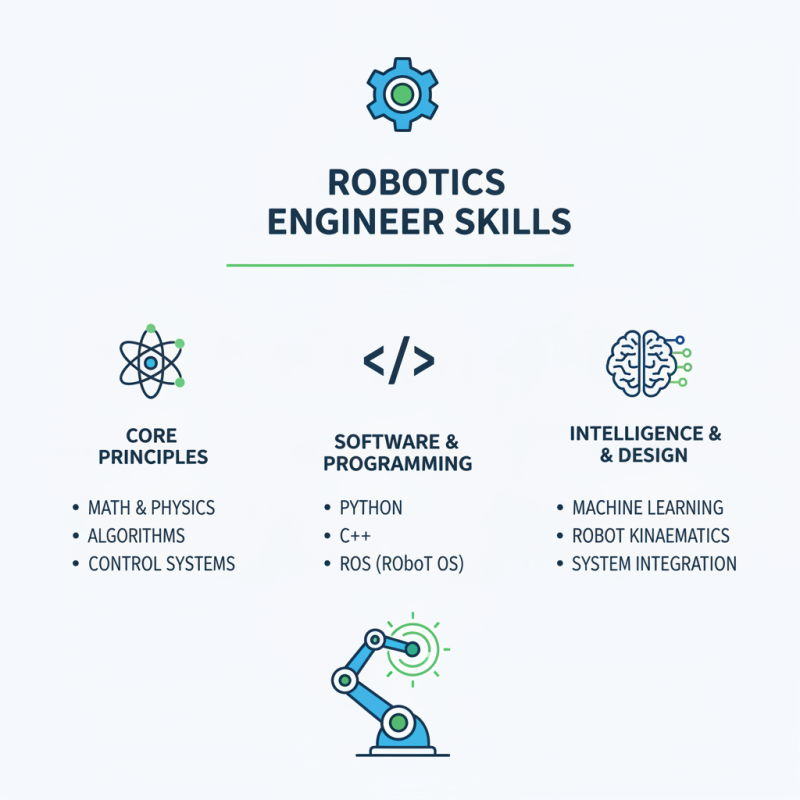
To become a successful robotics engineer, possessing a diverse set of skills is essential. First and foremost, a strong foundation in mathematics and physics is crucial, as these subjects underpin the principles of robotics. Engineers must be proficient in algorithms, control systems, and machine learning to design intelligent robots capable of various tasks. Additionally, technical skills in programming languages such as Python, C++, and ROS (Robot Operating System) are vital, as they enable engineers to develop software that controls robotic systems.

Equally important are soft skills like problem-solving and critical thinking. Robotics engineers often face complex challenges that require innovative solutions and a methodical approach to troubleshooting. Collaboration and communication skills are also essential, as engineers frequently work in interdisciplinary teams and must convey complex ideas clearly to non-technical stakeholders. Moreover, a keen understanding of mechanics, electrical systems, and automation will help engineers create efficient and effective designs. Continuous learning and adaptability are also vital in a fast-evolving field like robotics, where staying updated on new technologies and methodologies can make a significant difference in one’s career trajectory.
Educational Pathways for Aspiring Robotics Engineers

To embark on a career as a robotics engineer, aspiring individuals must navigate a well-defined educational pathway that equips them with essential knowledge and practical skills. A solid foundation in engineering principles is crucial, often starting with a bachelor's degree in fields like mechanical engineering, electrical engineering, or computer science. These programs typically cover fundamental topics such as circuit design, programming, and system integration, all of which are integral to robotics.

Beyond undergraduate studies, many robotics engineers pursue specialized advanced degrees or certifications. Graduate programs often focus on advanced robotics topics, including artificial intelligence, machine learning, and automation technology. Hands-on experience through internships or cooperative education programs can further enhance an individual's understanding of real-world robotics applications. Additionally, engaging in extracurricular activities, such as robotics clubs or competitions, provides practical experience and fosters teamwork and innovation—skills that are invaluable in the robotics field.

Skills and Education Levels for Robotics Engineers

Hands-On Experience and Internships in Robotics

How to Become a Robotics Engineer: Skills, Education, and Career Path

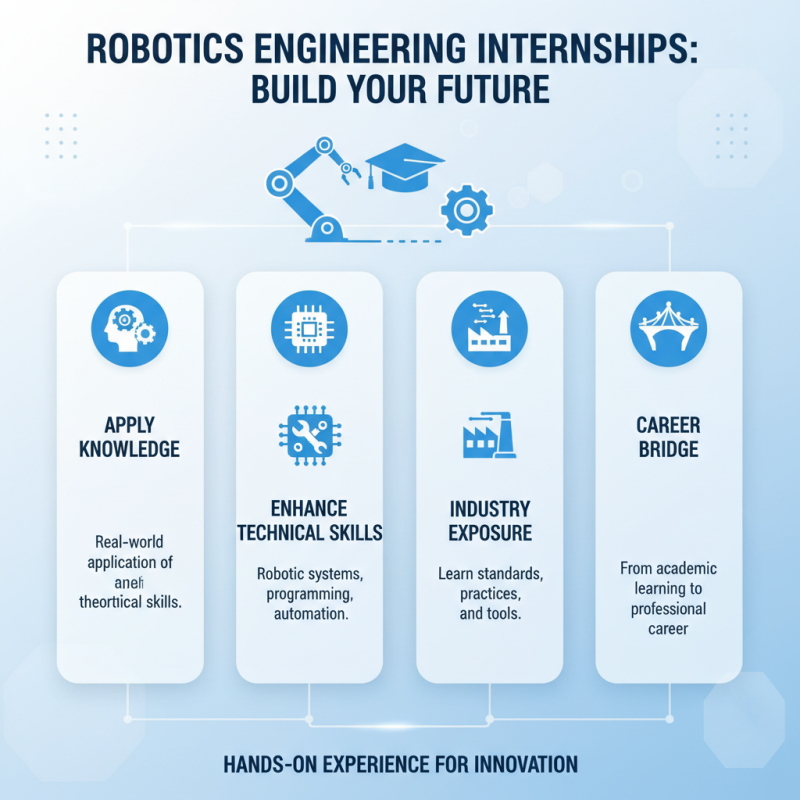
Gaining hands-on experience through internships is a crucial step for aspiring robotics engineers. These opportunities not only allow students to apply theoretical knowledge in real-world settings but also to enhance their technical skills. Engaging in projects involving robotic systems, programming, or automation processes helps students become proficient in the tools and technologies commonly used in the field. Additionally, internships provide exposure to industry standards and practices, which can bridge the gap between academic learning and professional expectations.

Moreover, internships offer invaluable networking opportunities. By working alongside experienced professionals, interns can build relationships that may lead to future job prospects. These connections can also provide mentoring and guidance, helping interns navigate their career paths more effectively. Participating in projects as part of a team fosters collaboration, an essential skill in the multidisciplinary environment of robotics. Overall, internships serve not only as a valuable educational experience but also as a stepping stone toward a successful career in robotics engineering.

Navigating Job Opportunities in the Robotics Field

The field of robotics offers a plethora of job opportunities, catering to individuals with diverse skill sets and educational backgrounds. To navigate this complex landscape, it is crucial to understand the various roles available. Positions range from robotics software developers and hardware engineers to systems integrators and research scientists. Each role requires a unique combination of technical skills, including programming, mechanical design, and data analysis. Aspiring robotics engineers must also focus on developing soft skills such as problem-solving and teamwork, as many jobs involve collaboration across different disciplines.

Networking is vital in the robotics sector. Attending industry conferences, participating in workshops, and joining professional organizations can open doors to hidden job markets. Seeking internships or co-op opportunities while pursuing an education in robotics can provide practical experience and enhance one’s resume. Additionally, many companies value individuals who stay updated on the latest advancements in robotics technology. Engaging in online forums, contributing to open-source projects, and following research publications can significantly improve one’s job prospects. Embracing continuous learning and adapting to evolving trends in robotics will empower individuals to effectively navigate their careers in this exciting and rapidly growing field.

Future Trends and Innovations in Robotics Engineering

The field of robotics engineering is evolving rapidly, driven by advances in technology and increasing applications across various industries. Future trends point towards enhanced automation with the integration of artificial intelligence, machine learning, and sophisticated sensors. This evolution will not only improve the efficiency and capabilities of robots but also enable them to learn from their environments and adapt to changing tasks. As industries adopt these innovations, the demand for skilled robotics engineers will continue to grow, making this an exciting time to enter the field.

Tips for aspiring robotics engineers include developing a strong foundation in programming and mathematics, as these skills are essential for designing and coding robotic systems. Additionally, gaining hands-on experience through internships, workshops, or personal projects can significantly enhance your understanding of real-world applications. Networking within the profession, attending conferences, and staying updated on emerging technologies will also help you remain competitive in this fast-paced environment.

As robotics becomes more prevalent in everyday life, ethical considerations will also play a crucial role. Future engineers must engage in conversations about the societal impact of their creations and work towards developing responsible and sustainable technologies. Engaging with interdisciplinary teams can foster innovative thinking and prepare engineers to meet the multifaceted challenges posed by the robotics industry.

How to Become a Robotics Engineer: Skills, Education, and Career Path - Future Trends and Innovations in Robotics Engineering

Dimension Details
Key Skills Programming, Mechanical Design, Control Systems, Sensor Integration, Problem-Solving
Education Required Bachelor's degree in Robotics, Mechanical Engineering, Electrical Engineering, or related field
Average Salary (USA) $90,000 - $120,000 per year
Job Growth Rate Estimated 9% growth from 2022 to 2032
Common Industries Manufacturing, Healthcare, Defense, Automotive, Research and Development
Future Trends AI Integration, Advanced Autonomous Systems, Human-Robot Collaboration
Certifications Certified Automation Professional (CAP), Professional Engineer (PE)

Brands

Proudly Trusted by Top Suppliers Worldwide

Let us know and we will automate, together to fit your industrial needs.

Clients

Proudly Trusted by Top Companies Worldwide

Do you need Help? Get in touch.

X

Please fill out the form below and we will get back to you as soon as possible.

    Subscribe our newsletter & get updates