Top Bending Equipment Trends for 2026 What Buyers Need to Know
As industries evolve, bending equipment is becoming increasingly vital. In 2026, buyers will encounter significant trends reshaping the landscape. Understanding these trends can enhance decision-making and investment strategies. The demand for precision and efficiency in bending equipment continues to rise. Manufacturers are focusing on innovation to meet these expectations.
Buyers must consider advanced technologies. Automation is becoming standard in modern bending equipment. It promises improved accuracy and reduced waste. However, challenges remain. Not all companies adopt these technologies seamlessly. Hence, buyers should evaluate their specific needs carefully.
Sustainability is another critical factor. Eco-friendly bending equipment is gaining traction. Buyers are urged to prioritize machines that minimize environmental impact. This shift may require additional investment but offers long-term benefits. Ultimately, informed choices in bending equipment can lead to better performance and sustainability.
Key Innovations in Bending Equipment Expected by 2026
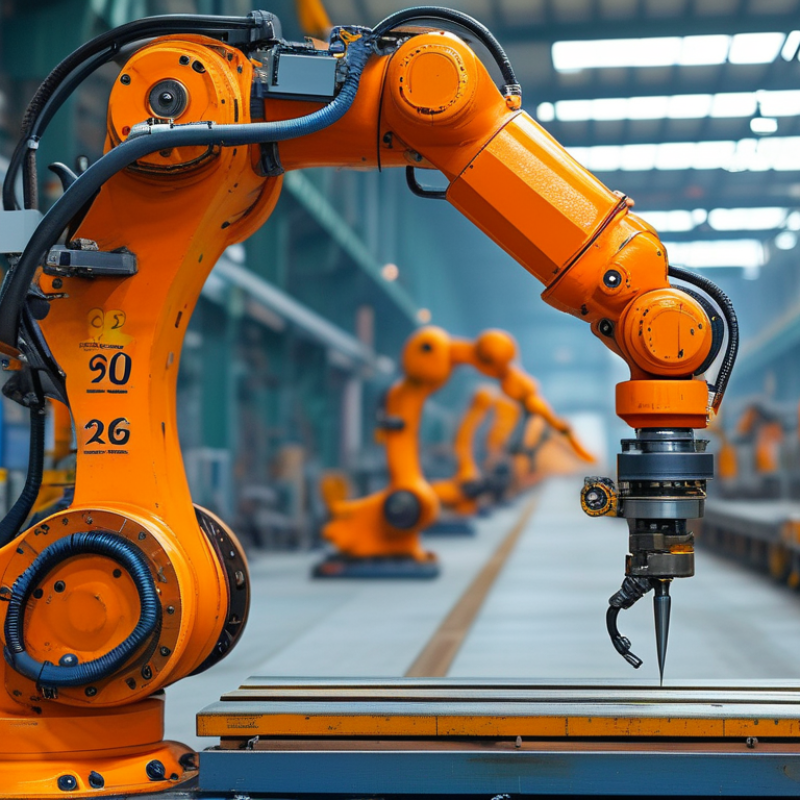
In the evolving landscape of manufacturing, bending equipment is set to witness significant advancements by 2026. Key innovations include enhanced automation features. Reports suggest that automated bending machines will increase productivity by 25%. This shift allows manufacturers to reduce labor costs and improve precision.
Another anticipated trend is the integration of smart technology. Predictive maintenance systems will monitor equipment health in real time. According to industry experts, these systems can reduce downtime by over 15%. Investing in smart technology can also minimize repair costs.
Tips for buyers: Assess your current operations. Determine which features can enhance efficiency. Understand that while new technology offers advantages, training staff is crucial. Adopting advanced bending equipment can improve output but requires a capable team to utilize it effectively.
Lastly, consider sustainability. Expect bending equipment to utilize eco-friendly materials and energy-efficient operations. The push for sustainable manufacturing will reshape design and production methods. As these trends develop, staying informed will be vital for any buyer in this sector.
The bending equipment industry is evolving, shaped significantly by sustainability trends. Reports indicate that nearly 75% of manufacturers are prioritizing eco-friendly practices in their operations. This commitment is driving innovations in energy-efficient machinery. Industry leaders report reductions in energy consumption by up to 30% with new bending technologies.
Manufacturing processes are also undergoing changes. Many companies are adopting recycled materials in their product designs. For example, 40% of metal bending companies are integrating scrap metal into their operations. This shift not only conserves resources but also reduces waste. The adoption of environmentally conscious methods indicates a growing awareness of the industry's ecological footprint.
As buyers look ahead to 2026, understanding these sustainability trends will be crucial. Companies with robust sustainability programs are more attractive to clients. Yet, the integration of green practices is not without challenges. Many manufacturers struggle with the initial investment costs and implementation hurdles. There is a clear need for ongoing education and adaptation to harness the full potential of sustainable bending equipment solutions.
As we look toward 2026, the bending equipment industry is poised for significant transformation. Key technological advancements are spearheading efficiency improvements. Automation is becoming a critical focus. This trend reduces manual labor and minimizes human error. Intelligent software systems analyze data in real-time. They fine-tune processes, yielding better results.
Enhanced materials are also playing a vital role. Advanced alloys and composites allow for more durable equipment. These materials can withstand higher stress levels, improving longevity. However, this shift requires ongoing training for operators. Adopting new technologies often presents a learning curve.
Predictive maintenance is an emerging trend worth noting. It leverages data analytics to foresee equipment failures. This approach minimizes downtime, but it demands vigilance and adaptability from the workforce. The changing landscape poses challenges. Not all companies can keep pace with these innovations. Thus, understanding these shifts is essential for buyers looking for future-proof solutions.
Market Demand Shifts and Their Influence on Bending Equipment Design
The bending equipment market is evolving rapidly. Factors like automation and sustainability are shaping design priorities. According to a recent industry report, the demand for energy-efficient machinery has surged by 30% over the last three years. This shift is not just a trend—it's a necessity. Manufacturers are compelled to invest in equipment that minimizes energy consumption. The transition could redefine operational costs.
Customers prefer adaptable solutions. Machines that can handle various materials with precision are in high demand. In fact, nearly 45% of buyers cited versatility as their top requirement for new equipment. Buyers are keen to understand how design can accommodate multiple processes. This has led to innovations like hybrid bending systems, which allow a mix of traditional and modern techniques.
Additionally, a focus on user experience is increasingly apparent. Operators want intuitive control systems that enhance productivity. Recent surveys indicate 65% of users prioritize ease of operation. Streamlined interfaces can reduce training time and boost efficiency. However, it’s worth noting that some users still struggle with complex new technologies. Continuous feedback from operators remains essential for refining these innovations and addressing shortcomings.
Top Bending Equipment Trends for 2026
Trend
Description
Market Demand
Influence on Design
Automation Integration
Increased automation in bending machines for efficiency.
High
Increased use of sensors and AI technologies.
Eco-Friendly Materials
Shift towards using sustainable and recyclable materials.
Moderate
Design changes to accommodate new material properties.
Remote Operation
Ability to operate bending equipment remotely via IoT.
Growing
Incorporation of connected devices for real-time monitoring.
Customization Options
Higher demand for customizable bending solutions.
High
Modular designs to facilitate various configurations.
Advanced Software Solutions
Enhanced software for simulation and design prototyping.
High
Focus on integration with design tools and CAD systems.
Essential Features Buyers Should Look for in 2026 Bending Equipment
In 2026, the demand for advanced bending equipment is expected to surge. Buyers should prioritize essential features to improve productivity. According to industry reports, over 70% of manufacturers plan to invest in upgraded machinery by 2026. This reflects the growing need for efficiency and precision. Key features will include automated controls and enhanced safety systems. Such automation can boost productivity by 30%, making shops more competitive.
Integration with Industry 4.0 technologies is vital. Buyers should look for equipment compatible with IoT devices. Real-time monitoring helps track performance. A report shows that 65% of manufacturers believe this connectivity will be crucial in enhancing decision-making. Moreover, energy efficiency will become a focus area. Equipment that reduces power consumption can lead to significant operational savings. Some estimates suggest that energy-efficient models can cut costs by up to 20%.
Lastly, reliability remains a core concern. The downtime caused by equipment failure can be costly. A study indicated that unplanned downtime leads to a 25% drop in production efficiency. Buyers should consider the maintenance record and warranty options when evaluating equipment. Investing in technology that minimizes repairs can ultimately save money. Reflecting on these aspects will help buyers make informed decisions in a competitive market.