o
p
t
i
m
a
r
o
b
o
t
i
c
s

Make a Call


Make a Call
Blogs
Why Choose an Automatic BOV Aerosol Filling Machine?
Choosing the right aerosol filling equipment affects product quality, operator safety, and long-term production stability. An Automatic BOV Aerosol Filling Machine offers a controlled approach for bag-on-valve packaging. It can manage filling, crimping, propellant charging, and container handling with consistent timing. This matters when every valve must remain properly aligned.
In a modern production line, sensors check container presence, filling levels, and machine movement. Servo-driven systems can reduce variation between batches and support accurate material dosing. Operators also gain a clearer view of production data, which helps identify faults before they become expensive delays. Practical experience shows that reliable results depend on more than speed. Correct valve specifications, clean compressed air, suitable product viscosity, and regular maintenance all influence performance.
The machine is not a complete solution by itself. That assumption deserves review. Poorly selected components can still cause leakage, uneven filling, or unnecessary downtime. A qualified supplier should provide documented testing, clear operating instructions, training, and responsive technical support. Equipment should also match the product formulation, container size, factory layout, and applicable packaging standards. This includes verified safety controls and appropriate quality procedures.
For manufacturers seeking repeatable BOV aerosol production, automation can improve efficiency without removing human oversight. Skilled operators remain essential for inspection, cleaning, changeovers, and process decisions. The best investment is not always the fastest machine. It is the system that performs consistently, protects product integrity, and supports dependable growth. That is why evaluating an Automatic BOV Aerosol Filling Machine requires evidence, practical testing, and honest attention to its limitations.
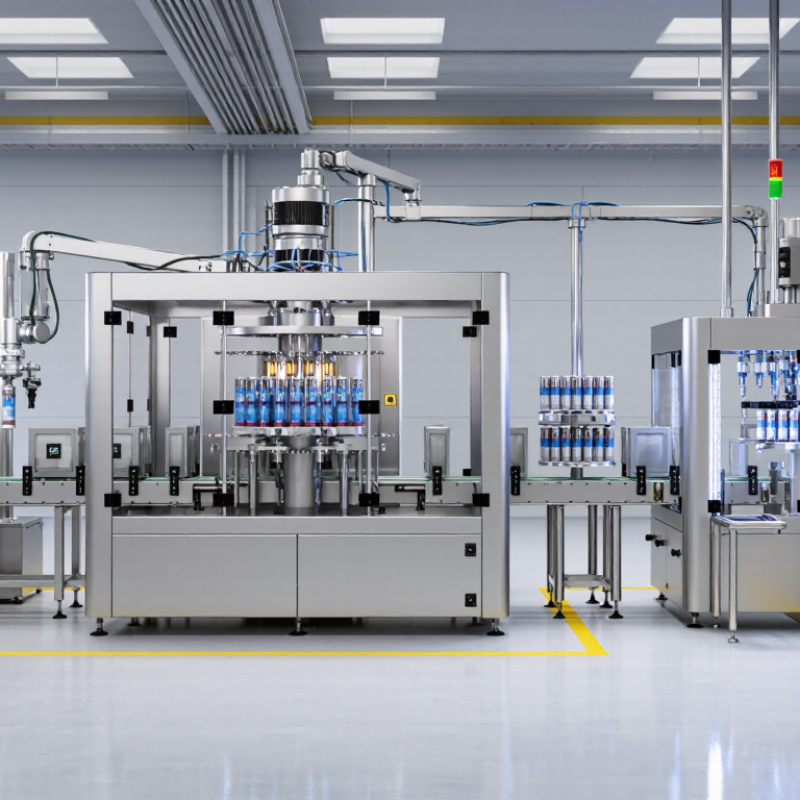
Table of Contents [Hide]
What Is BOV Aerosol Technology, and Why Is It Used in Modern Packaging?
Why Choose an Automatic BOV Aerosol Filling Machine?
Bag-on-valve (BOV) technology separates the product from its propellant. The formula stays inside a flexible pouch. Compressed air or nitrogen surrounds that pouch inside the container. When the actuator is pressed, pressure gently pushes the product outward. The product never directly contacts the propellant.
This design supports cleaner and more consistent dispensing. It can handle creams, foams, gels, and liquid sprays with controlled output. The container may work from different angles. That feature helps users reach narrow surfaces and hard-to-access areas.
Product protection also improves because outside air has less opportunity to enter the pouch.
An automatic BOV aerosol filling machine coordinates several precise operations. It fills the product, positions the valve, crimps the container, and adds propellant. Many systems also include weight checks, leak testing, and fill-level monitoring. These controls reduce manual variation during long production runs. Small errors still matter. A poorly adjusted filling valve can create uneven doses or unnecessary material loss.
BOV is not automatically better for every formula. Product viscosity, pouch structure, valve design, and container size require practical testing. Operators should review pressure settings and inspect samples throughout production. Automation improves repeatability, but it cannot replace technical judgment. A stable process needs records, calibration, and occasional reconsideration. Packaging performance is measurable, yet real factory conditions can expose weaknesses that laboratory trials miss.
Brands
Proudly Trusted by Top Suppliers Worldwide






Let us know and we will automate, together to fit your industrial needs.
 +91-97254 16844
Clients
Proudly Trusted by Top Companies Worldwide


Do you need Help? Get in touch.
X
Please fill out the form below and we will get back to you as soon as possible.