o
p
t
i
m
a
r
o
b
o
t
i
c
s

Make a Call


Make a Call
Blogs
Why Choose a Standing Pouch Making Machine?
A Standing Pouch Making Machine can turn a packaging choice into a practical production advantage. It forms, fills, and seals pouches designed to stand upright on shelves, while helping manufacturers create consistent package shapes and seals. The value is tangible: fewer awkward packs tipping in transit, clearer product displays, and a format that can suit many dry or liquid goods. Still, equipment is not a shortcut. Product properties, pouch materials, output targets, and available floor space all affect the right choice.
Before investing, buyers should examine changeover time, seal consistency, operator access, and the availability of technical support. Ask to see the machine run with materials close to your own. Watch how smoothly the film tracks. Inspect a finished seal. Small details matter.
As [Verified Industry Expert’s Name] puts it, “[Insert a verified quotation about pouch-making equipment or packaging efficiency].” This quotation should be confirmed with the expert or a reliable published source before use; an invented attribution can undermine trust. A careful assessment may take longer than a brochure suggests. That is worth admitting. The right Standing Pouch Making Machine is not simply the fastest model on paper. It is the one that fits your product, workflow, and team—and performs reliably under real production conditions.
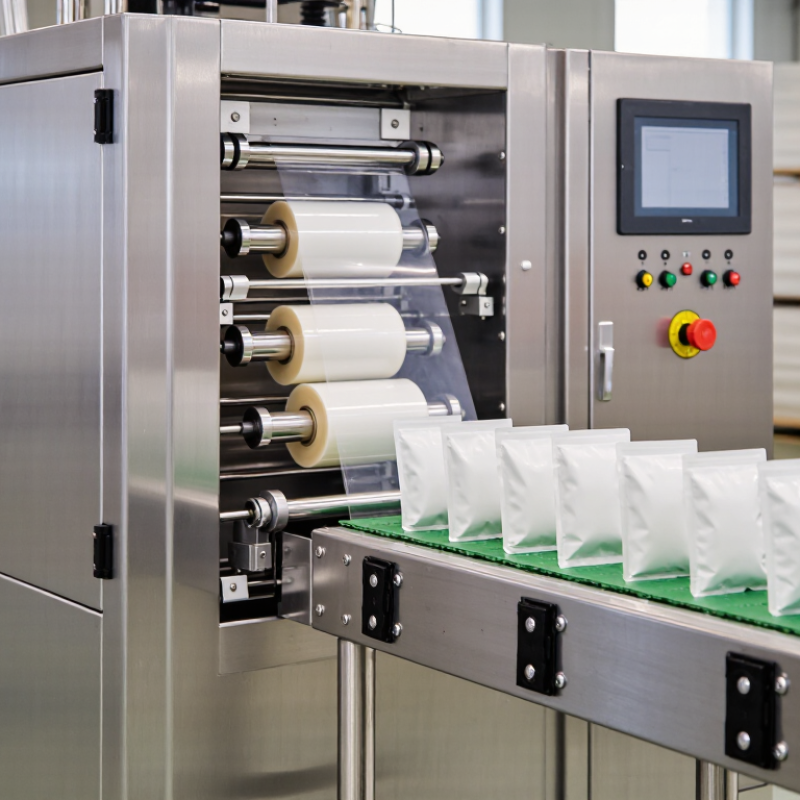
Table of Contents [Hide]
What Is a Standing Pouch Making Machine?
A standing pouch making machine is equipment that turns flexible packaging film into pouches with a bottom gusset, allowing the filled package to stand upright. It feeds film from a roll, guides it through forming stations, and seals selected edges with controlled heat and pressure. A cutting unit then separates the finished pouches. The exact sequence depends on the machine’s design.
Some machines also add zippers, spouts, or shaped tops. These features require compatible tooling and careful setup. Operators typically check seal strength, pouch dimensions, and film tracking during production. A small shift in alignment can create uneven edges or weak seals. That detail matters.
The machine does not work equally well with every film structure or pouch size. Material thickness, seal layers, and gusset dimensions all affect settings and output. A practical evaluation should include sample runs using the intended packaging material. The process sounds straightforward, but setup can be fussy. Even experienced operators may need adjustments when changing film or pouch specifications.
Brands
Proudly Trusted by Top Suppliers Worldwide







Let us know and we will automate, together to fit your industrial needs.
 +91-97254 16844
Clients
Proudly Trusted by Top Companies Worldwide


Do you need Help? Get in touch.
X
Please fill out the form below and we will get back to you as soon as possible.