o p t i m a r o b o t i c s

Blogs

Top 10 Benefits of Cobot Automation for Global Buyers?

Cobot automation is revolutionizing industries worldwide, creating opportunities for efficiency and productivity. These collaborative robots are designed to work alongside human operators, enhancing capabilities without eliminating jobs. As businesses look for ways to stay competitive, cobot automation stands out as a compelling solution.

The integration of cobots can significantly reduce costs and improve accuracy in manufacturing processes. They can easily adapt to various tasks, from assembly to packaging. This flexibility benefits companies in diverse sectors, allowing for quicker adjustments to production lines. However, adopting cobot automation is not without challenges.

Effectively incorporating cobots needs careful planning. Companies must ensure proper training for staff and seamless integration into existing workflows. Missteps can lead to disruptions, making it crucial to reflect on best practices. Investing in cobot automation may provide exceptional advantages, but understanding each element is key to a successful transition.

Top 10 Benefits of Cobot Automation for Global Buyers?

Key Advantages of Collaborative Robots in Manufacturing

Collaborative robots, or cobots, are revolutionizing the manufacturing sector. According to recent industry reports, the global cobot market is expected to reach $12.3 billion by 2025, growing at a compound annual growth rate of 35% from 2020. This surge reflects the significant advantages that cobots bring to manufacturers worldwide.

One key advantage is flexibility in task execution. Cobots can easily adapt to different processes without extensive reprogramming. They work alongside human operators, enhancing productivity while maintaining safety. Research shows that companies integrating cobots report a 25% increase in efficiency. However, the successful implementation of cobots often requires careful planning and training for employees.

Another benefit is cost-effectiveness. Cobots generally have a lower upfront investment compared to traditional automation systems. They can be deployed quickly, reducing downtime. However, organizations must consider the ongoing costs of maintenance and upgrades, as cobots are not maintenance-free. Balancing these expenses against potential savings is crucial for long-term success.
Enhancing Workplace Safety with Cobot Automation

Cobot automation is reshaping workplace safety in significant ways. Collaborative robots can work alongside human employees, reducing tasks that pose risks. For example, they can handle heavy lifting, which often leads to injuries. By taking on repetitive, strenuous tasks, cobots create a safer environment for workers.

Integrating cobots into workflows enhances safety protocols. They can detect human presence and adjust operations accordingly, minimizing accidents. Furthermore, using cobots allows companies to shift their focus to more complex and rewarding tasks, fostering job satisfaction. This technology can also assist in training new employees, showing them the safest ways to perform their roles.

Tips for safe cobot integration: Start with small-scale trials. Evaluate how your team interacts with the technology. Regularly review safety measures and involve employees in discussions around cobot workflows. Their insights can lead to improvements that enhance safety further. Remember, even with automation, human oversight remains essential to ensure a safe working environment.

Reducing Operational Costs through Cobot Deployment

Cobot automation offers significant benefits for global buyers, particularly in reducing operational costs. Collaborative robots can be deployed to assist human workers in various tasks, such as assembly, packaging, and quality inspection. A report by the International Federation of Robotics indicates that businesses can save up to 30% in labor costs by integrating cobots into their workflows. This reduction stems from improved efficiency and productivity, enabling companies to reallocate resources more effectively.

Implementing cobots not only cuts costs but also enhances operational flexibility. Companies can quickly adjust their production lines to meet changing demands. A study by McKinsey suggests that companies leveraging automation have seen a productivity increase of 20-25%. These factors contribute to better profit margins in competitive markets.

**Tip:** Start with small-scale cobot trials to assess performance in your specific operations. This approach can help identify potential challenges.

However, transitioning to cobot technology isn’t without hurdles. Initial investment costs can be a barrier for some businesses. Training and integration also require time and effort. Reviewing existing processes is essential to maximize the benefits of cobots.

**Tip:** Engage with employees early in the process. Their insights can pinpoint areas for improvement.

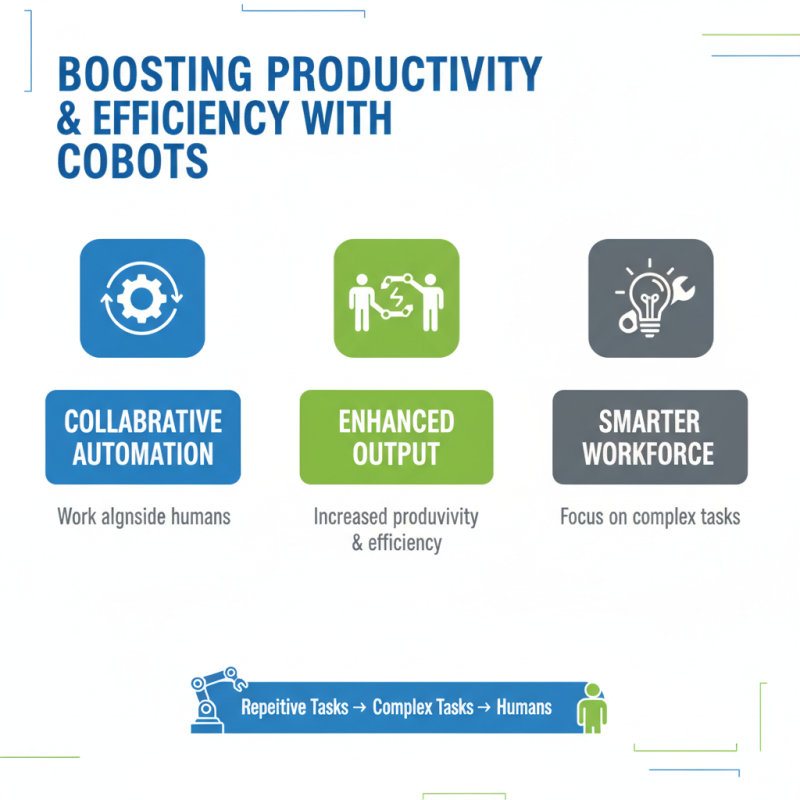
Boosting Productivity and Efficiency with Cobots

Top 10 Benefits of Cobot Automation for Global Buyers?

Cobots, or collaborative robots, are transforming the landscape of automation. They are designed to work alongside humans, enhancing productivity and efficiency in various industries. Cobots offer an adaptable solution that can tackle repetitive tasks, allowing human workers to focus on more complex duties. This results in a more engaged workforce and improved output rates.

Tips for maximizing cobot productivity include assessing workflow processes before implementation. Identify repetitive tasks that can be handled by cobots. This careful evaluation ensures that the integration of automation aligns with your specific operational needs.

Another crucial aspect is to provide adequate training for employees. Workers need to understand how to interact safely with cobots. Enhanced collaboration often leads to innovative solutions. However, remember that relying too much on cobots may create a distance from traditional skills. Balancing automation with human expertise is essential for long-term success.

In evaluating your cobot strategy, always consider potential areas of improvement. Collect data on productivity levels and employee satisfaction regularly. This will help in refining processes and ensuring the highest efficiency in a dynamic working environment.

Flexibility and Scalability Benefits of Cobot Integration

Collaborative robots, or cobots, are redefining automation for global buyers. Their flexibility allows businesses to adapt quickly to market changes. Unlike traditional robots, cobots can work alongside human operators. For example, firms can easily reprogram cobots for different tasks. This adaptability enhances productivity without heavy investments in new equipment.

Scalability is another essential benefit. According to a recent report by the International Federation of Robotics, the cobot market is projected to grow by over 25% annually. This growth reflects the increasing demand for efficient automation solutions. Companies can expand their operations without significant downtime. As production needs change, businesses can integrate more cobots seamlessly.

However, the journey to full automation isn't flawless. Companies may still face challenges in training staff to work with cobots. There are concerns over job displacement despite cobots enhancing productivity. Hence, it's crucial to consider employee engagement in this transition. Balancing automation and workforce dynamics remains a vital reflection point.

Top 10 Benefits of Cobot Automation for Global Buyers

Brands

Proudly Trusted by Top Suppliers Worldwide

Let us know and we will automate, together to fit your industrial needs.

Clients

Proudly Trusted by Top Companies Worldwide

Do you need Help? Get in touch.

X

Please fill out the form below and we will get back to you as soon as possible.

    Subscribe our newsletter & get updates