o
p
t
i
m
a
r
o
b
o
t
i
c
s

Make a Call


Make a Call
Blogs
2026 Best AC Wallbox Charger for Home EV Charging?
Choosing the right Ac Wallbox Charger can make home EV charging safer, faster, and easier to manage. In 2026, buyers face more than simple power ratings. Cable length, connector compatibility, installation quality, software support, and household load limits all matter. A powerful charger is not automatically the best charger.
This guide examines leading home wallbox models through practical criteria. We consider charging speed, electrical protection, weather resistance, app reliability, warranty coverage, and independent safety certification. We also examine daily details, such as reaching a driveway socket during winter or storing a stiff cable beside the garage. These small issues often shape ownership more than impressive specifications.
Real homes are messy. One household may need overnight charging, while another shares power with a heat pump, oven, or solar system. Smart load balancing can prevent unnecessary electrical strain. Professional installation remains essential, especially when upgrading circuits or mounting equipment outdoors. Manufacturer claims deserve careful checking. Independent test results are stronger evidence.
No charger wins every test. Some models offer excellent software but weak customer support. Others provide durable hardware but limited scheduling features. This comparison aims to identify sensible choices, not promote one universal winner. It also acknowledges a common mistake: buying maximum output before confirming the vehicle’s onboard charging limit. The best 2026 AC wallbox may be the model that quietly fits your home, driving habits, budget, and electrical system.
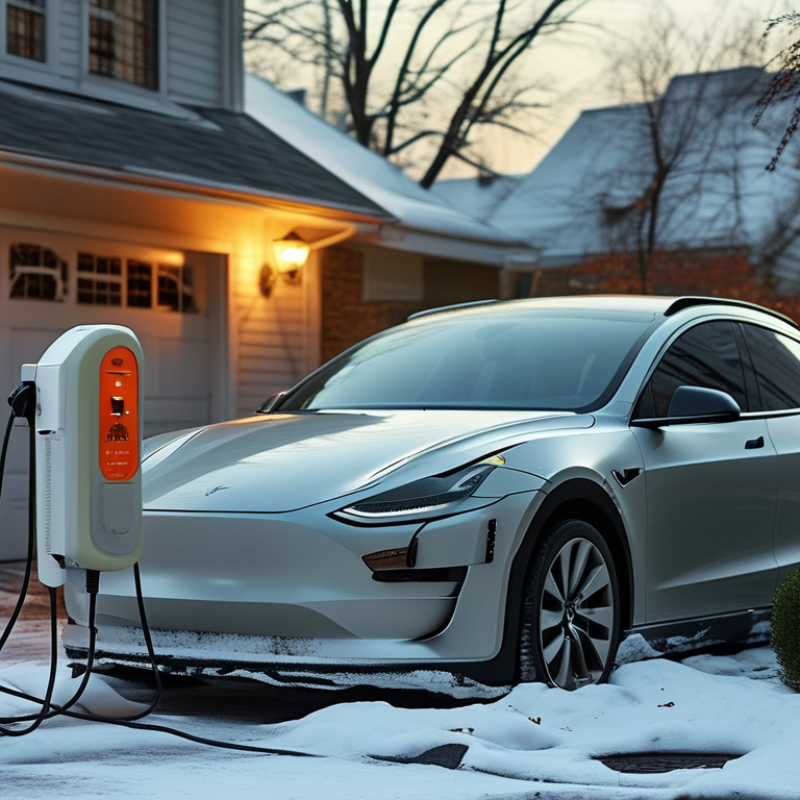
Table of Contents [Hide]
What Is an AC Wallbox Charger for Home EV Charging?
An AC wallbox charger is a fixed home charging unit that delivers alternating current to an electric vehicle. The vehicle’s onboard charger then converts AC into DC for the battery. That distinction matters. Unlike a basic household socket, a wallbox usually provides higher power, stronger protection, and clearer charging controls.
The U.S. Department of Energy’s Alternative Fuels Data Center defines Level 2 charging as 208–240 volts, commonly ranging from 3 to 19.2 kilowatts. Many homes use 7.4 or 11 kilowatts. A 7.4-kilowatt unit can often add 35–45 kilometers of driving range per hour, depending on vehicle efficiency and weather. Installation should include suitable cabling, residual-current protection, and an electrician’s inspection. A neat cable hook beside the driveway matters more than expected.
The International Energy Agency reported over 17 million electric cars sold worldwide in 2024, exceeding 20% of new-car sales. That growth increases pressure on convenient residential charging. Smart wallboxes can schedule charging during cheaper periods and reduce household peak demand. Still, “smart” does not always mean better. Weak Wi-Fi, complex software, or an undersized home connection can create frustration. Check the vehicle’s AC input, the home’s available capacity, and local electrical requirements before choosing a 2026 model.
Brands
Proudly Trusted by Top Suppliers Worldwide







Let us know and we will automate, together to fit your industrial needs.
 +91-97254 16844
Clients
Proudly Trusted by Top Companies Worldwide


Do you need Help? Get in touch.
X
Please fill out the form below and we will get back to you as soon as possible.