o
p
t
i
m
a
r
o
b
o
t
i
c
s

Make a Call


Make a Call
Blogs
5 Best Aluminium Tri Fold Blind Rivets for Composites
Choosing fasteners for composite panels is rarely a simple hardware decision. Fibre orientation, laminate thickness, hole quality, and clamping pressure can change joint performance dramatically. That is why Aluminium Tri-Fold Blind Rivets For Composite Materials deserve careful comparison before installation.
Dr. Michael J. Troughton, a recognised plastics-joining specialist, states, “Joint reliability depends on process control as much as fastener selection.” This principle applies strongly to tri-fold rivets. Their legs open behind the panel, spreading the load across a wider area. That action can reduce pull-through risks in softer or layered composites. However, performance still depends on the correct rivet length, mandrel design, and installation force.
This guide examines five practical options for composite applications. Each choice is considered through grip range, head shape, corrosion resistance, setting behaviour, and load distribution. Installation details matter. A clean, accurately sized hole supports better folding action. Excessive drilling clearance can weaken the joint. Incorrect grip length can leave the rivet underformed.
No rivet is perfect.
Real-world testing may reveal differences between laboratory results and field performance. Moisture, vibration, thermal cycling, and uneven surfaces can expose those differences quickly. Readers should verify manufacturer data and test representative assemblies before production use. The best selection balances strength, accessibility, appearance, and long-term reliability. Sometimes, the most expensive rivet is not the strongest choice. It may simply offer better consistency for a demanding installation process.
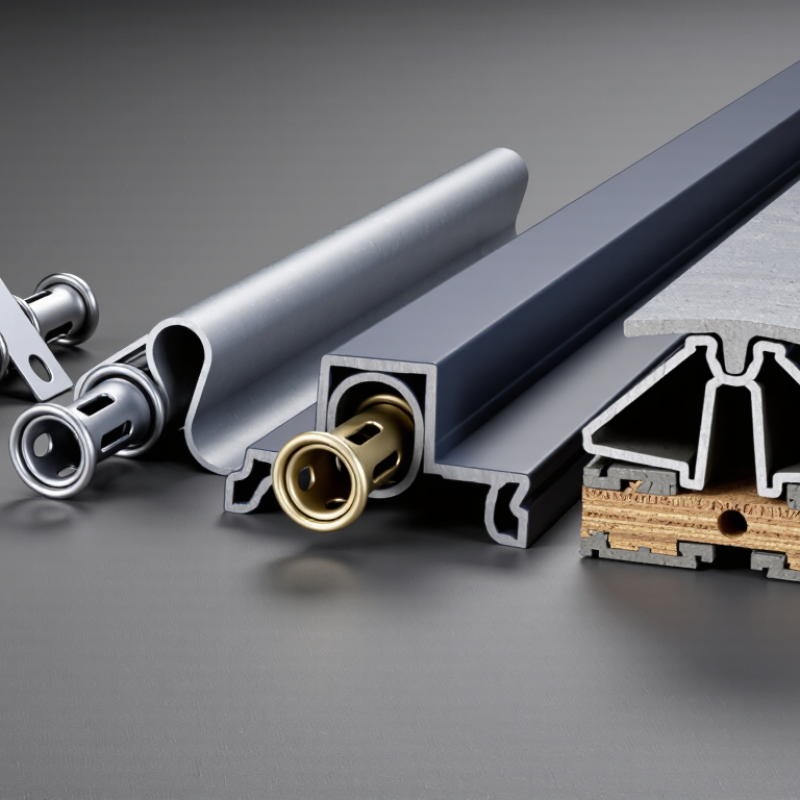
Table of Contents [Hide]
What Aluminium Tri Fold Blind Rivets Are and Why Composites Need Them
Aluminium tri fold blind rivets are fasteners designed for joining thin, flexible, or difficult-to-reach materials. Unlike standard blind rivets, their body opens into three wide legs during installation. These legs spread behind the panel and distribute clamping pressure over a larger area. That matters when fastening composite sheets, sandwich panels, or lightweight assemblies.
Composites need this support because their surfaces can crack, delaminate, or compress under concentrated force. An aluminium tri fold rivet can create a broader load path without requiring access to the rear side. It also offers low weight and useful resistance to moisture in many applications. However, it is not automatically the perfect choice. Hole diameter, panel thickness, rivet grip range, and galvanic compatibility must match the assembly. A poorly sized rivet may loosen, crush the core, or leave uneven clamping.
Tips: Drill clean, round holes and remove dust before installation. Use a backing washer when the composite surface feels soft. Check the expanded legs after setting. They should sit evenly, not fold sharply.
In field work, I have seen rushed hole preparation cause more failures than weak rivets. That is worth remembering. Sample testing is still wise, especially with honeycomb cores or layered laminates. A small installation trial can reveal hidden damage before production begins.
Brands
Proudly Trusted by Top Suppliers Worldwide







Let us know and we will automate, together to fit your industrial needs.
 +91-97254 16844
Clients
Proudly Trusted by Top Companies Worldwide


Do you need Help? Get in touch.
X
Please fill out the form below and we will get back to you as soon as possible.