o
p
t
i
m
a
r
o
b
o
t
i
c
s

Make a Call


Make a Call
Blogs
2026 Best Asphalt Tank Types for Global Buyers?
Choosing the right Asphalt Tank in 2026 requires more than comparing capacity and purchase price. Global buyers face different climates, transport routes, fuel standards, maintenance skills, and project schedules. A 30-ton horizontal tank may suit a road contractor with limited space. A 200-ton vertical tank may better support a permanent mixing plant. Neither option is universally superior.
Asphalt storage specialist Dr. Richard Harnsberger offers a practical reminder: “Storage performance begins with temperature control, not tank size.” This principle guides the comparison ahead. The outline examines horizontal, vertical, mobile, electric-heated, and thermal-oil-heated tanks. It also considers insulation thickness, heating uniformity, loading systems, discharge speed, corrosion protection, and cleaning access. Small details matter. A poorly sealed manhole can admit moisture. Uneven heating can create cold asphalt near the outlet. That problem may remain invisible until production slows.
The best Asphalt Tank depends on actual operating conditions. Buyers should check ambient temperatures, asphalt grades, daily throughput, heating energy, and local technical support. They should also review emergency shutdown systems and temperature monitoring. These features protect equipment and reduce avoidable downtime. However, specifications can look impressive on paper and still disappoint in the field. Real performance depends on installation quality and operator discipline. That is where this topic becomes less tidy. A lower-cost tank may offer acceptable value for seasonal work, while a premium design may justify its price under continuous production. This guide compares those trade-offs for international buyers seeking a safer, more durable, and more practical 2026 investment.
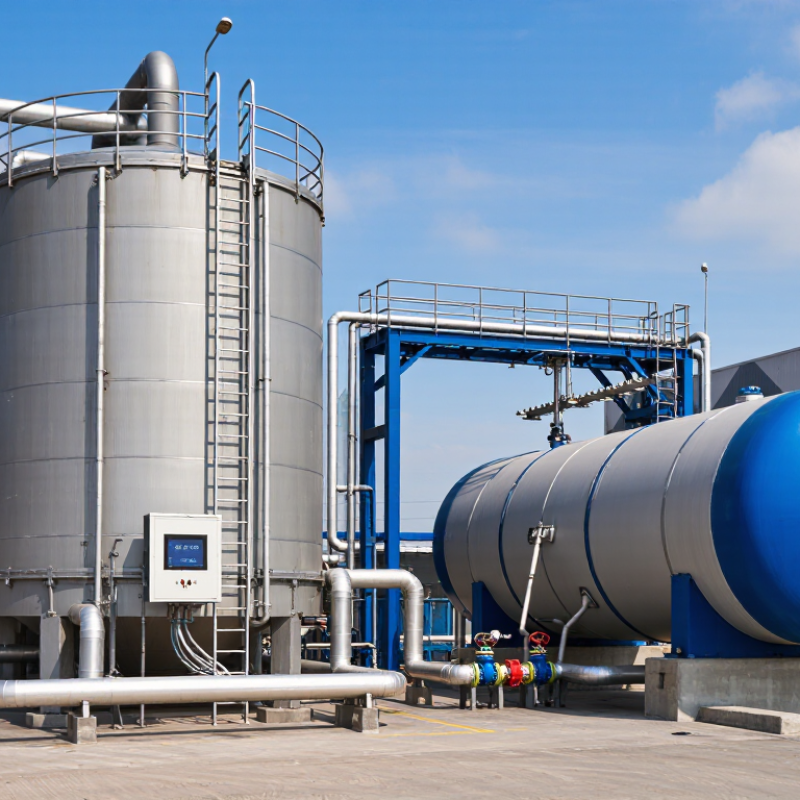
Table of Contents [Hide]
Asphalt Tank Basics and Their Role in Global Road Construction
Asphalt Tank Basics and Their Role in Global Road Construction
Asphalt tanks store and condition binders before paving, sealing, or mixing operations. Their design affects temperature stability, pumping speed, worker safety, and material quality. Common options include fixed vertical tanks, horizontal tanks, and mobile units for temporary projects. Insulation reduces heat loss, while controlled heating prevents asphalt from becoming too cold or overheating near the tank wall.
Tank capacity should match daily consumption, delivery schedules, and local climate. A remote road project may need a mobile horizontal tank with strong insulation and simple maintenance access. A large urban plant often benefits from several vertical tanks, allowing different grades or materials to remain separated. Reliable temperature sensors, pressure protection, level indicators, and accessible valves support safer operation. Small errors spread.
In field inspections, I have seen tanks selected by capacity alone. That approach can create long heating cycles, blocked pipelines, or unused storage space. A tank may look efficient on paper but perform poorly when power supply, fuel quality, or winter temperatures change. Buyers should check heating uniformity, corrosion protection, cleaning access, spare-part availability, and operator training. Local standards also influence electrical systems, transport limits, and installation requirements. Heat matters. So does practical maintenance. A well-designed asphalt tank keeps binder workable from delivery to the paving machine, but its real value depends on careful operation and honest project planning.
Brands
Proudly Trusted by Top Suppliers Worldwide







Let us know and we will automate, together to fit your industrial needs.
 +91-97254 16844
Clients
Proudly Trusted by Top Companies Worldwide


Do you need Help? Get in touch.
X
Please fill out the form below and we will get back to you as soon as possible.