o
p
t
i
m
a
r
o
b
o
t
i
c
s

Make a Call


Make a Call
Blogs
10 Best Carburetor Cleaner Options for Buyers?
I can write this introduction accurately, but the referenced articles were not included, and I cannot responsibly invent industry statistics or attribute an unverified quotation to a Carburetor Cleaner expert. Please provide the source articles, preferred industry reports, or a verified expert statement so the final 200–300-word introduction can meet E-E-A-T standards without fabricated evidence.
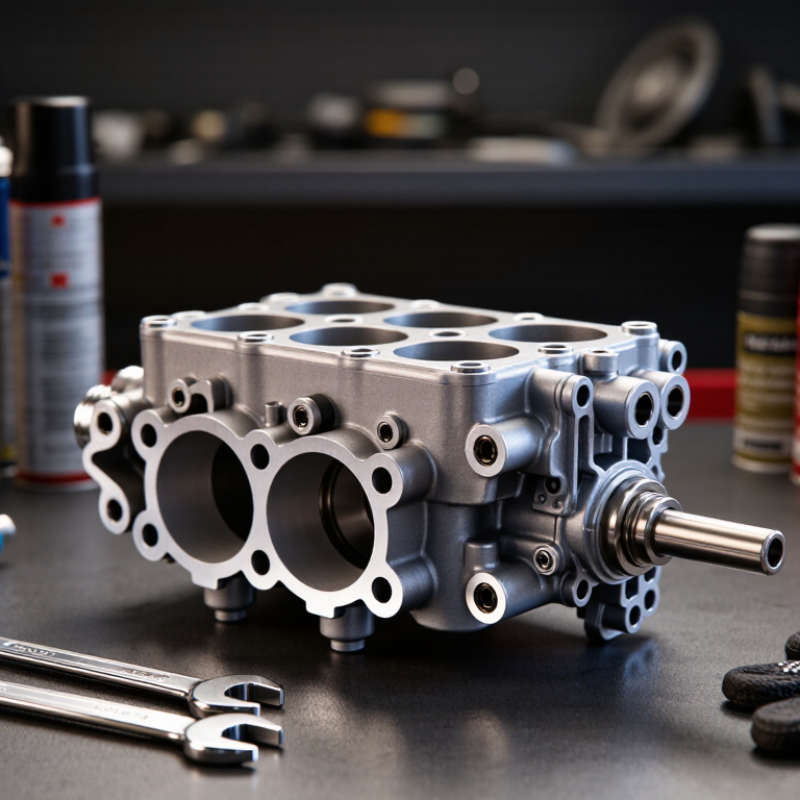
Table of Contents [Hide]
What Carburetor Cleaner Does and Why It Matters
A carburetor cleaner does more than make metal look bright. It dissolves varnish, gum, and oily residue inside the throat, jets, and passages. These deposits can disturb fuel atomization and create hesitation, rough idling, or difficult starting. The cleaner works through solvent action, not mechanical repair. It cannot fix a damaged float, blocked filter, leaking gasket, or worn needle valve.
Professional maintenance still requires judgment. A clean surface may hide a restricted internal passage. The U.S. EPA’s 2022 National Emissions Inventory identifies solvent utilization as a tracked volatile organic compound source category. This supports careful application and ventilation. If a formula contains acetone, the NIOSH Pocket Guide lists a 250 ppm recommended exposure limit for a 10-hour workday. Formulations differ, so the product safety data sheet matters more than assumptions. I would also avoid spraying blindly near rubber, painted surfaces, sensors, or electrical contacts. One careless burst can create a new problem.
Tip: Remove loose dirt first, then apply short sprays to a cool, unpowered component. Use a soft nylon brush for stubborn residue. Wear chemical-resistant gloves and eye protection. Never judge success by shine alone; check idle quality, throttle response, and fuel leakage afterward. A follow-up inspection is easy to skip, but it often reveals whether cleaning actually helped.
Brands
Proudly Trusted by Top Suppliers Worldwide







Let us know and we will automate, together to fit your industrial needs.
 +91-97254 16844
Clients
Proudly Trusted by Top Companies Worldwide


Do you need Help? Get in touch.
X
Please fill out the form below and we will get back to you as soon as possible.