o
p
t
i
m
a
r
o
b
o
t
i
c
s

Make a Call


Make a Call
Blogs
What Are the Best Centrifuge Tubes in 2026?
Choosing the best Centrifuge Tube in 2026 requires more than comparing prices or colorful product labels. A reliable tube must survive repeated acceleration, temperature changes, chemical exposure, and routine handling. Grand View Research’s 2024 laboratory equipment analysis identifies continued investment in centrifugation and sample-processing systems. This trend raises a practical question: can ordinary tubes meet modern laboratory demands?
Material selection remains central. Polypropylene tubes generally offer strong chemical resistance and suitable performance across common laboratory temperatures. However, not every polypropylene formulation behaves identically. Tube clarity, wall thickness, cap security, and rotor compatibility can affect real results. A 15 mL conical tube may suit routine cell work, while a 50 mL version provides greater working volume. For high-speed applications, users should verify the manufacturer’s maximum RCF, not only the stated RPM. That distinction matters.
Small details matter.
The ISO 11137 series provides a recognized framework for validating radiation sterilization, while ISO 15189 emphasizes competence and quality within medical laboratories. These references do not automatically make one product superior. They show why documented sterilization, lot traceability, and quality controls deserve attention. Reports from MarketsandMarkets on the centrifuge market also reflect growing demand for efficient, reproducible laboratory workflows. Yet market growth is not proof of product quality. I have seen selection decisions focus too heavily on brand reputation and ignore cap fit or sample leakage risk. That is an uncomfortable weakness. This guide compares Centrifuge Tube designs, materials, certifications, and practical performance, helping laboratories make a more defensible choice for 2026.
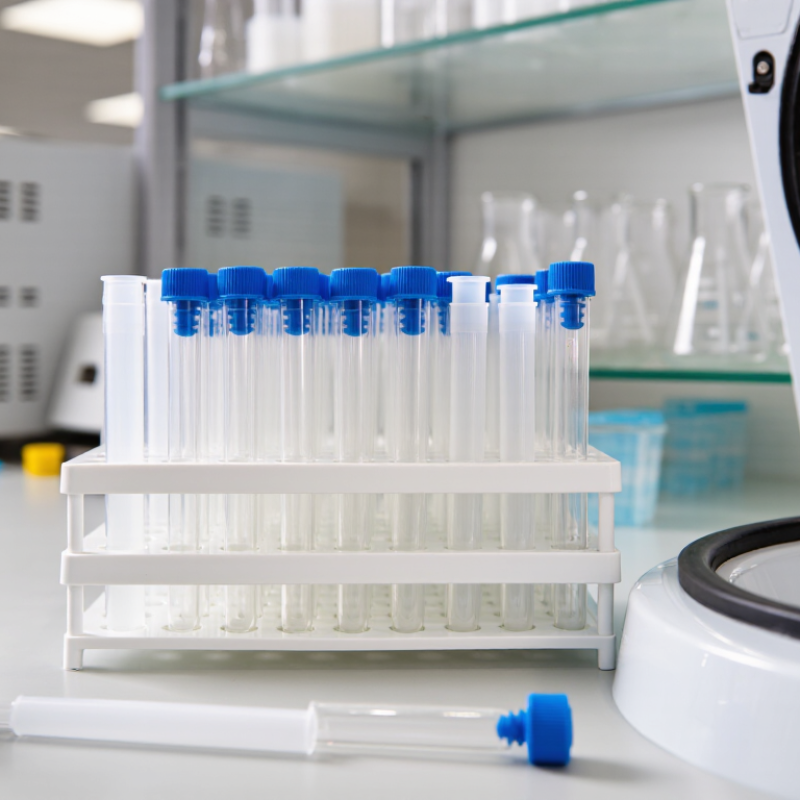
Table of Contents [Hide]
Centrifuge Tube Types and Their Core Differences
What Are the Best Centrifuge Tubes in 2026?
The best tube depends on the separation task, rotor, and sample chemistry. Centrifuge tubes commonly come in polypropylene, polystyrene, and glass. Polypropylene handles routine spinning, moderate heat, and many biological buffers. It is the practical default in many laboratories. Polystyrene is clear and economical, but it may crack under stronger force or harsh solvents. Glass offers stiffness and chemical resistance, yet it adds breakage risk and weight.
Tube types differ beyond material. Conical tubes collect pellets at the pointed base, making transfers easier. Round-bottom tubes support even sedimentation and suit some higher-volume workflows. Microcentrifuge tubes fit small samples and quick nucleic-acid preparation. Thick-wall tubes tolerate higher relative centrifugal force, but only when their ratings match the rotor.
A tube may fit physically and still be unsafe. Users sometimes overlook cap seals, then lose samples through evaporation or leakage. The error is small. The cost may not be.
Tips: Match the tube’s RCF rating, volume, cap style, and chemical compatibility. Check the rotor manual, not memory. Balance tubes by mass, and inspect cloudy plastic, scratches, or damaged threads before spinning. Temperature also matters; cold plastic can become less forgiving. Test unfamiliar solvents with a small disposable sample first.
Brands
Proudly Trusted by Top Suppliers Worldwide







Let us know and we will automate, together to fit your industrial needs.
 +91-97254 16844
Clients
Proudly Trusted by Top Companies Worldwide


Do you need Help? Get in touch.
X
Please fill out the form below and we will get back to you as soon as possible.