o
p
t
i
m
a
r
o
b
o
t
i
c
s

Make a Call


Make a Call
Blogs
What Is the Best China ZX200 ZX330 Excavator Supplier?
Choosing the best China-based supplier for a ZX200/ZX330 excavator requires more than comparing online prices. Buyers need evidence, technical knowledge, and dependable after-sales support.
Chris Sleight, managing director of Off-Highway Research, has stated, “Equipment value depends on the support available throughout its working life.” This principle matters when evaluating ZX200/ZX330 suppliers. A trustworthy company should explain the machine’s operating weight, engine condition, hydraulic performance, production year, and configuration clearly. It should also provide inspection photographs, serial-number records, maintenance history, and export documentation.
Look closely at the details. A clean boom does not prove strong hydraulic pressure. Fresh paint can hide repaired cracks. Ask for cold-start videos, engine readings, undercarriage measurements, and a live operating demonstration. Serious suppliers should answer these questions without avoiding technical language. They should also identify whether the excavator is new, used, refurbished, or assembled from replacement components.
Parts availability matters greatly. A supplier may offer an attractive quotation, yet delay a simple hydraulic seal for weeks. That becomes expensive on a busy jobsite. Check warehouse locations, technician response times, warranty terms, and communication after payment.
There is no perfect supplier. Even experienced buyers can overlook regional specification differences. ZX200/ZX330 models may vary by production year and market, so specifications must be verified individually. The strongest supplier is not always the cheapest one. It is the company that documents its claims, accepts reasonable inspection, and supports the machine after delivery. That is where reliability becomes visible.
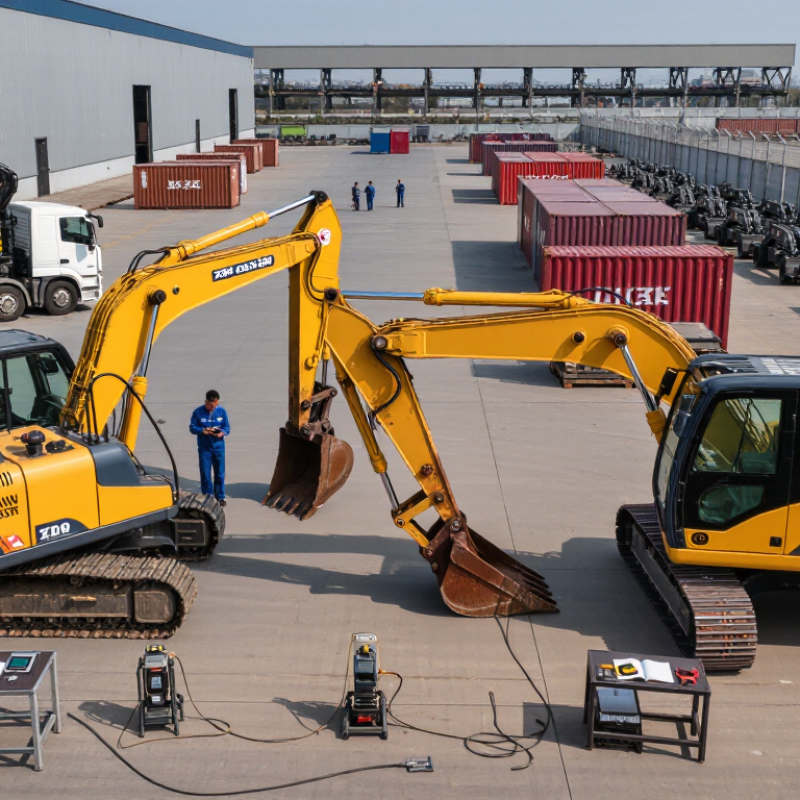
Table of Contents [Hide]
ZX200 and ZX330 Excavator Models: Key Specifications and Applications
What Is the Best China ZX200 ZX330 Excavator Supplier?
ZX200 and ZX330 excavators serve different working conditions. The ZX200 usually weighs about 20 to 22 tonnes. Its engine output commonly ranges from 110 to 125 kilowatts. A typical bucket holds 0.8 to 1.0 cubic metres. Maximum digging depth often reaches 6.5 to 6.8 metres. This size suits road construction, drainage work, foundation preparation, and general site excavation. It offers useful transport flexibility without sacrificing serious digging power.
The ZX330 is a heavier machine, usually weighing 32 to 35 tonnes. Its engine may deliver 180 to 200 kilowatts. Bucket capacity commonly reaches 1.4 to 1.6 cubic metres. Digging depth can approach 7.3 to 7.6 metres, depending on the boom and arm. It performs well in quarry loading, deep trenching, large earthworks, and demanding mining support. More power helps, but higher fuel use and transport costs must be considered.
A reliable supplier should provide verified operating weight, hydraulic pressure, fuel data, and service records. Ask for inspection videos showing cold starts, hydraulic movements, and undercarriage condition. Real worksite evidence matters. I would also check parts availability and technician response time before ordering. One weakness in many comparisons is assuming the larger excavator is always better. It is not. A ZX330 can waste fuel on small urban projects, while a ZX200 may struggle with heavy rock. Specifications also vary by configuration, so every figure needs confirmation before purchase.
Brands
Proudly Trusted by Top Suppliers Worldwide







Let us know and we will automate, together to fit your industrial needs.
 +91-97254 16844
Clients
Proudly Trusted by Top Companies Worldwide


Do you need Help? Get in touch.
X
Please fill out the form below and we will get back to you as soon as possible.