o
p
t
i
m
a
r
o
b
o
t
i
c
s

Make a Call


Make a Call
Blogs
Which Color Dosing Machine Is Best in 2026?
Choosing the best Color Dosing Machine in 2026 depends on the material, production speed, and accuracy your process requires. A machine that performs well with liquid coatings may not suit viscous inks or small-batch plastics. The right choice should deliver repeatable dosing, straightforward calibration, and dependable support—not just an impressive control screen.
Small differences matter. A slight dosing error can shift a paint sample from warm gray to blue-gray, or leave visible streaks across a coated panel. Check how the machine handles your actual colorants, container sizes, and target batch volumes. Ask for a demonstration using your materials, and review cleaning time, changeover steps, and service access. Real samples help. Brochure claims alone do not.
Color scientist Dr. Roy S. Berns is a relevant authority on color measurement. A useful editorial paraphrase of his field’s emphasis is: “Repeatable measurement supports confident color decisions.” This is not a verbatim quotation, and Berns is a color-science expert, not a dosing-machine manufacturer. That distinction matters. In this guide, we compare machine types, dosing accuracy, software, maintenance, and total operating needs. We also point out where published specifications can leave practical questions unanswered. No single model is best for every plant. The strongest choice is the one that consistently meets your requirements on the production floor.
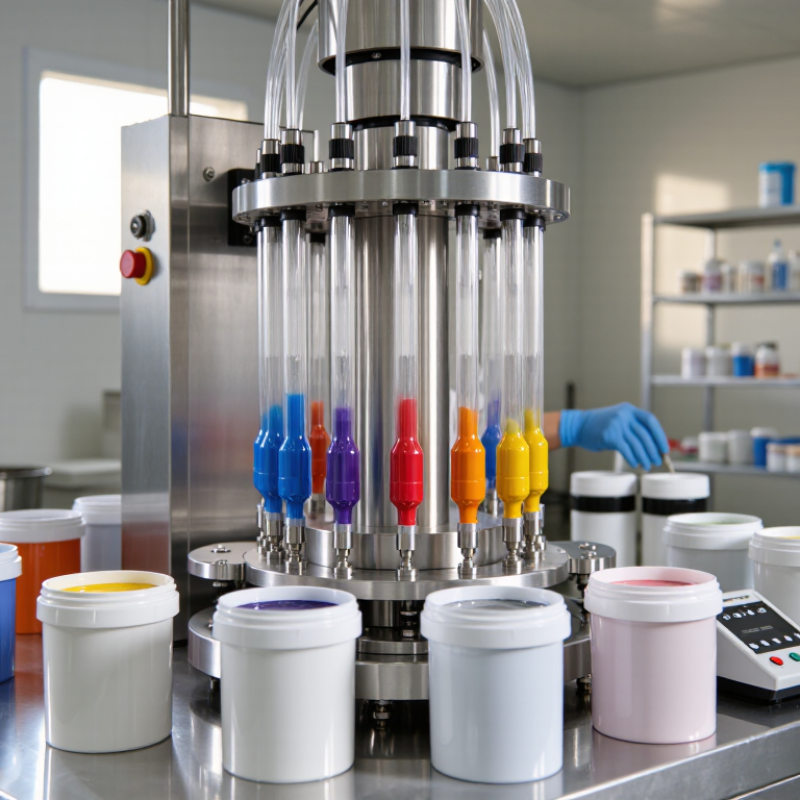
Table of Contents [Hide]
What Is a Color Dosing Machine and How Does It Work?
A color dosing machine meters concentrated colorants into a base material to produce a repeatable shade. It typically uses pumps or valves, a controller, and a mixing vessel. The operator selects a formula; the machine dispenses measured amounts, then the batch is blended.
Some systems measure by weight, while others meter by volume. Weight-based dosing can help when colorant density varies.
On a production line, a sensor or scale checks each addition, and software records the recipe. The operator may compare a dried sample against a target using a spectrophotometer. Yet sensors need calibration. Viscosity, temperature, and a partly blocked nozzle can alter the dose. Small errors show up. A blue batch may look dull beside the approved sample.
Grand View Research’s 2024 colorants market report estimated global market value at about US$50 billion in 2023, underscoring the scale of colorant use across industries.
ISO 11664 provides standards for color measurement, but measurement alone cannot fix poor mixing or inconsistent raw materials. Operators still need to check samples under controlled lighting and review out-of-range batches.
The awkward part: even a well-set machine can repeat the wrong formula.
Brands
Proudly Trusted by Top Suppliers Worldwide







Let us know and we will automate, together to fit your industrial needs.
 +91-97254 16844
Clients
Proudly Trusted by Top Companies Worldwide


Do you need Help? Get in touch.
X
Please fill out the form below and we will get back to you as soon as possible.