o
p
t
i
m
a
r
o
b
o
t
i
c
s

Make a Call


Make a Call
Blogs
What Is the Best Foil Machine for Global Buyers in 2026?
Choosing the best Foil Machine for global buyers in 2026 is not simply a race for higher speed. It is a decision about stability, flexibility, service, and total operating cost. A machine may advertise 6,000 sheets per hour, yet poor registration can waste expensive foil and coated stock. That detail matters.
Jean-Pascal Bobst, CEO of BOBST, has often emphasized a customer-centered approach: “The best machine is the one that meets the customer’s needs.” This principle remains practical for foil stamping, hot foil printing, and transfer applications. Buyers should examine foil compatibility, maximum sheet size, feeding accuracy, pressure control, changeover time, and automation. Remote diagnostics also deserve attention. A beautiful showroom sample proves little.
Real production conditions are less forgiving. Dust gathers around feeders. Operators change jobs. Spare parts may travel across borders. A reliable Foil Machine should maintain clean impressions during long runs and support common substrates without excessive adjustment. Energy use, operator training, warranty coverage, and local technical support can influence the final purchase more than a low initial price. Sometimes, the cheapest option becomes the most expensive.
Global buyers should compare verified samples, service response times, installation requirements, and documented safety features. They should also confirm regional electrical standards and applicable workplace regulations. No single machine suits every converter, printer, or packaging producer. That is the uncomfortable truth. This guide evaluates leading options through measurable performance, realistic workflow needs, and long-term ownership value. Some conclusions may challenge popular assumptions, especially when headline speed competes with dependable daily output.
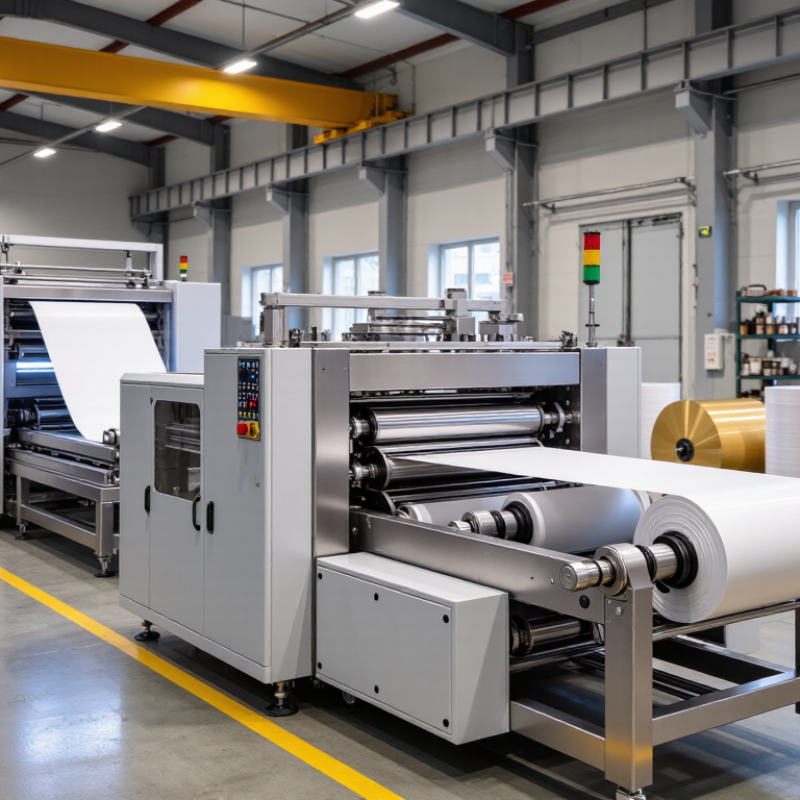
Table of Contents [Hide]
What Is a Foil Machine and How Does It Work?
A foil machine transfers a thin metallic or pigment film onto paper, labels, cartons, or synthetic sheets. Hot foil stamping uses a heated die, pressure, and dwell time. The die presses the foil against the substrate, while heat activates its release coating. The carrier film then moves away, leaving the selected design behind. Cold foil works differently. It uses adhesive, foil transfer, and curing energy instead of a heated die.
The process looks simple. It is not always forgiving. Excessive heat can distort films, while low pressure creates broken lettering. Operators usually test temperature, speed, pressure, and registration before production. Small details matter, especially around hairline text and large solid areas. Smithers’ The Future of Global Packaging to 2028 estimates the global packaging market will approach US$1.2 trillion by 2028. This growth supports demand for decorative and security-focused finishing equipment. Mordor Intelligence’s hot stamping machine research also identifies packaging and commercial printing as major application areas, with automation improving output consistency.
A practical buyer should check substrate range, foil width, working speed, and compatible power standards. Servo control can reduce registration errors, but it does not remove setup mistakes. I have seen attractive samples fail during longer runs because foil tension was ignored. That weakness deserves attention. Ask for a live test using your own material, artwork, and foil. Also request data on waste rate, pressure stability, maintenance intervals, and operator training. A machine that runs quickly may still be expensive if changeovers remain slow.
Brands
Proudly Trusted by Top Suppliers Worldwide







Let us know and we will automate, together to fit your industrial needs.
 +91-97254 16844
Clients
Proudly Trusted by Top Companies Worldwide


Do you need Help? Get in touch.
X
Please fill out the form below and we will get back to you as soon as possible.