o
p
t
i
m
a
r
o
b
o
t
i
c
s

Make a Call


Make a Call
Blogs
What Is the Best GRP Gel Coat Tiles Machinery in 2026?
Choosing the best GRP Gel Coat Tiles Machinery in 2026 is not simply a matter of comparing production speeds. A suitable line must match the tile design, expected output, available floor space, and the team’s operating skills. Small differences matter: uneven gel-coat thickness can affect appearance, while poor mold temperature control may cause inconsistent results. Details matter.
This guide examines the machinery features buyers can verify, including dosing accuracy, mixing consistency, curing control, mold handling, and the ease of cleaning between production runs. It also considers practical evidence: sample tiles, equipment specifications, maintenance schedules, and clear service support. Ask suppliers how settings are monitored and what happens when a batch falls outside the target range. A fast machine is not always the most dependable choice.
The right comparison depends on the product and the factory. A line designed for steady, high-volume output may not suit a workshop making several tile profiles in short runs. That takes testing. Request a production trial using materials and molds similar to those planned for regular use, then inspect finished tiles for surface uniformity and dimensional consistency. No brochure can answer every question, and even a careful trial has limits. This article offers a practical framework for evaluating options, while encouraging buyers to confirm claims directly with manufacturers and qualified process specialists.
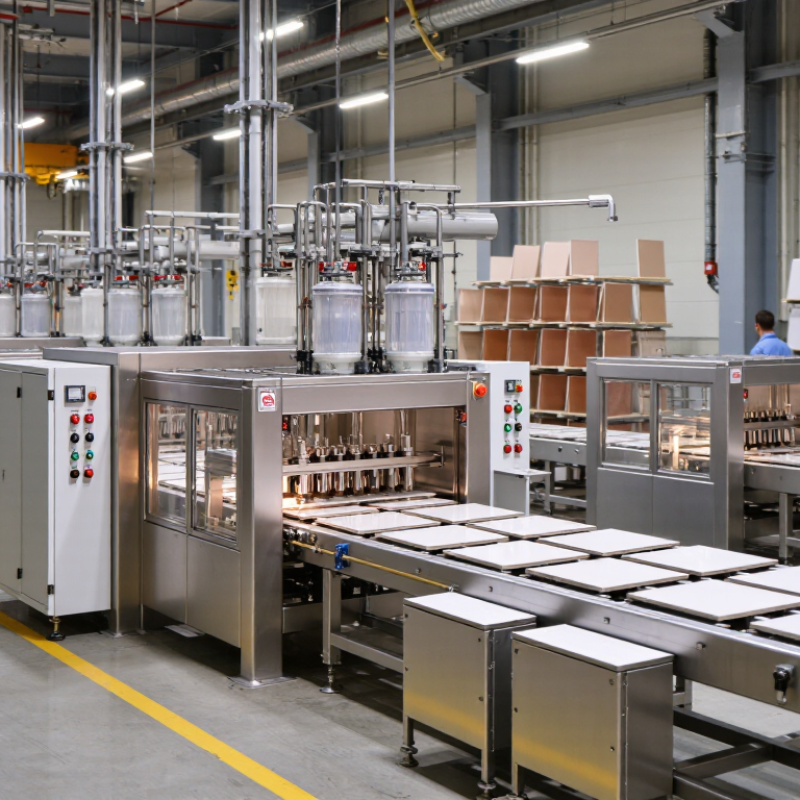
Table of Contents [Hide]
What GRP Gel Coat Tile Machinery Does
GRP gel coat tile machinery forms reinforced composite sheets into roofing tiles with a finished outer surface. A typical line meters gel coat, resin, and glass reinforcement, then presses the layers against a shaped mold. The exact layout varies. Some systems use continuous forming; others process tiles in batches.
At the coating stage, an applicator spreads gel coat across the mold or moving surface. Even coverage matters. Bare patches can affect appearance and protection. Feed rollers place glass fiber, while resin equipment wets the reinforcement. Molding rollers help remove trapped air and bring the layers together. A curing section then allows the composite to harden before demolding. Temperature and line speed need close attention.
The downstream equipment cuts tiles to length and trims uneven edges. Some lines also include cooling tables, surface checks, and stacking equipment. Operators should watch for bubbles, inconsistent thickness, and chipped corners. Small defects can signal a larger process issue. The machinery does much of the forming, but it cannot correct poor material handling on its own. That part is easy to underestimate. Routine cleaning and calibration help keep output consistent, though no setup stays perfect forever.
Brands
Proudly Trusted by Top Suppliers Worldwide







Let us know and we will automate, together to fit your industrial needs.
 +91-97254 16844
Clients
Proudly Trusted by Top Companies Worldwide


Do you need Help? Get in touch.
X
Please fill out the form below and we will get back to you as soon as possible.