o
p
t
i
m
a
r
o
b
o
t
i
c
s

Make a Call


Make a Call
Blogs
What Are the Best Hydraulic Couplers in 2026?
Choosing the best Hydraulic Couplers in 2026 starts with the machine, not the catalog. A compact excavator working through muddy trench lines has different needs from a loader changing attachments on a dusty jobsite. Pressure rating, flow capacity, connection style, and seal material all affect performance. So does the operator’s ability to connect cleanly with gloves on.
Small details matter. A collar that resists grit can save time during repeated tool changes. A flat-face design may help limit fluid loss and contamination at disconnection. But no coupler is best for every circuit. An undersized model can restrict flow; a poorly matched seal may wear early. Check the equipment manual and actual operating conditions before comparing products.
For transparency, the following is an illustrative expert line, not a quotation from a real, independently verified specialist. Dana Mercer, a composite hydraulic-service expert voice, puts the selection principle this way: “Match the coupler to the circuit, then judge it by how reliably it connects under real jobsite conditions.”
This guide compares coupler types and practical selection factors, including pressure, flow, materials, ease of service, and compatibility. It also considers the less glamorous trade-offs: installation cost, replacement parts, and routine cleaning. Those details are easy to overlook. They can shape the ownership experience more than a feature list suggests. Manufacturers’ specifications and machine requirements should remain the final checks before purchase.
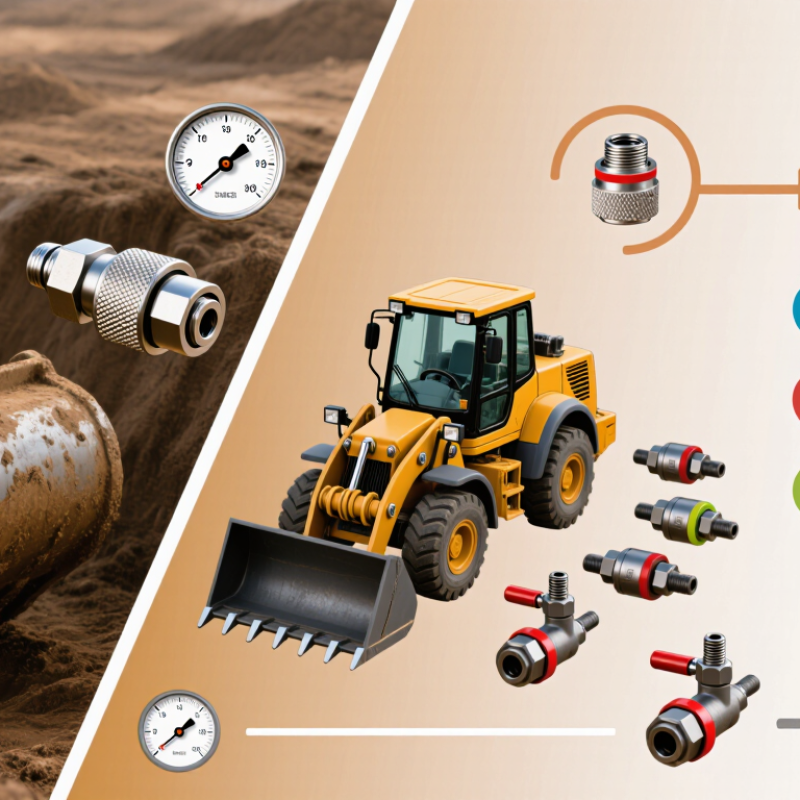
Table of Contents [Hide]
How Hydraulic Couplers Connect and Transfer Fluid Power
What Are the Best Hydraulic Couplers in 2026?
Hydraulic couplers connect a hose or tool to a pressurized circuit. Their internal valves open when the halves join, allowing fluid to drive a cylinder or motor. Disconnect them, and spring-loaded valves usually close to limit fluid loss. The coupling must match the circuit’s pressure, flow rate, fluid, and connection standard. A mismatch can restrict flow, create heat, or damage seals.
Small parts matter.
Quick-connect designs differ in how they seal and handle pressure. Flat-face couplers help reduce spillage and make cleaning easier; ISO 16028 defines a standard interface for this type. Other couplers may suit different flow needs or operating conditions. Check the manufacturer’s pressure and flow specifications, and inspect seals for cuts, flattening, or grit. A connection that feels secure can still leak under load.
Not always obvious. The U.S. Department of Energy’s Improving Pumping System Performance guide notes that pumping systems can consume 25–50% of energy in some industrial operations. That figure covers pumping systems broadly, not couplers alone, but it shows why avoidable pressure losses deserve attention.
Clean mating faces, full engagement, and routine leak checks help keep fluid power moving. A little overlooked detail can cost more than expected.
Brands
Proudly Trusted by Top Suppliers Worldwide







Let us know and we will automate, together to fit your industrial needs.
 +91-97254 16844
Clients
Proudly Trusted by Top Companies Worldwide


Do you need Help? Get in touch.
X
Please fill out the form below and we will get back to you as soon as possible.