o
p
t
i
m
a
r
o
b
o
t
i
c
s

Make a Call


Make a Call
Blogs
China Best Industrial Storage Racks Manufacturer?
Choosing the right China Best Industrial Storage Racks Manufacturer requires more than comparing prices. Warehouse safety, load performance, production consistency, and after-sales support matter equally. A reliable supplier should understand your storage environment, not simply sell standard frames from a catalog.
Industrial Storage Racks must match pallet dimensions, forklift routes, ceiling height, and daily handling pressure. Experienced manufacturers usually offer practical layouts, structural calculations, surface treatment options, and clear installation guidance. Their factories should provide traceable materials, controlled welding processes, and load testing records. These details become visible when racks carry heavy pallets every day.
Small details matter.
A professional supplier can explain beam capacity in understandable terms. It should also identify risks, such as uneven floors, poor anchoring, or insufficient aisle clearance. Factory visits, sample inspections, and references from operating warehouses can strengthen buyer confidence. Certifications are useful, but they should support real evidence rather than replace it.
No manufacturer is perfect. Even a strong supplier may need improvement in communication, customization speed, or documentation. Buyers should ask direct questions and record every technical agreement before production begins. A transparent partner welcomes reasonable inspections and discusses limitations honestly. This approach helps businesses compare Chinese manufacturers with greater confidence and select Industrial Storage Racks that remain stable, accessible, and maintainable over years of warehouse use.
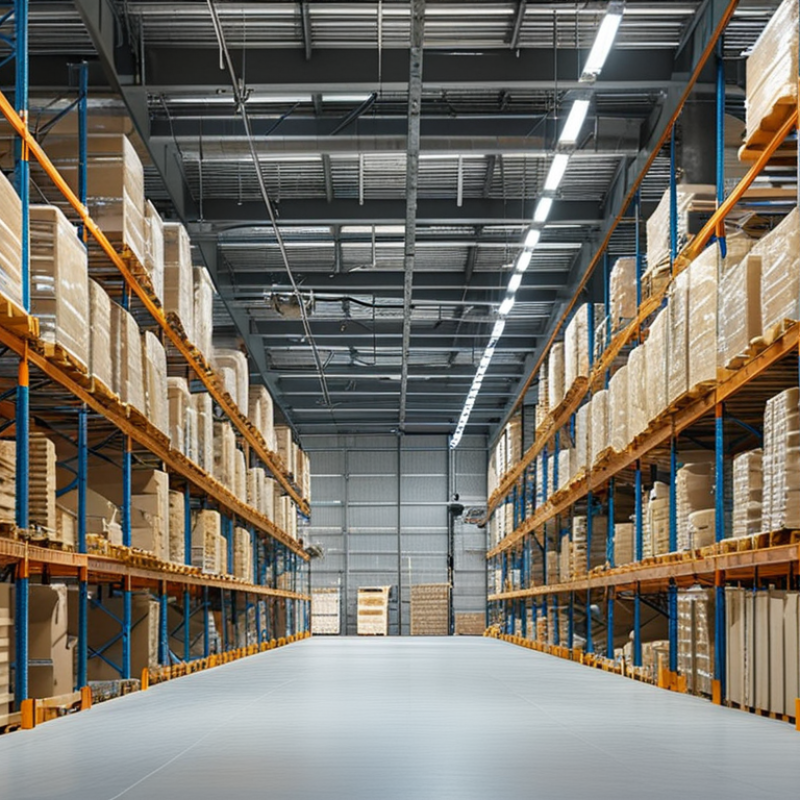
Table of Contents [Hide]
What Defines a Leading Industrial Storage Rack Manufacturer in China?
A leading industrial storage rack manufacturer in China is defined by more than production capacity. It understands warehouse traffic, load patterns, floor conditions, and picking methods. Experienced engineers inspect these details before recommending a rack structure. They calculate beam capacity, upright strength, aisle width, and anchoring requirements. Guesswork has no place here.
Manufacturing quality must remain visible at every stage. Reliable factories use controlled steel sourcing, accurate roll forming, consistent welding, and careful surface treatment. Each batch should be checked for dimensions, coating thickness, and load performance. Clear drawings and traceable inspection records help customers verify the work. Small errors matter. A slightly misaligned frame can affect installation speed and long-term stability.
Professional support continues after production. A dependable manufacturer provides installation guidance, maintenance advice, spare-part planning, and responsive technical communication. It should explain limitations honestly, including uneven floors, changing loads, and restricted forklift access. No project is perfect. Sometimes an earlier design needs revision after a site measurement. That is not failure; ignoring the issue would be. A serious supplier welcomes testing, listens to warehouse operators, and improves the design through practical feedback. The strongest partnerships are built through accurate data, consistent delivery, and decisions that protect workers, inventory, and daily operations.
Brands
Proudly Trusted by Top Suppliers Worldwide






Let us know and we will automate, together to fit your industrial needs.
 +91-97254 16844
Clients
Proudly Trusted by Top Companies Worldwide


Do you need Help? Get in touch.
X
Please fill out the form below and we will get back to you as soon as possible.