o
p
t
i
m
a
r
o
b
o
t
i
c
s

Make a Call


Make a Call
Blogs
What Is the Best Laboratory Coating Machine in 2026?
Choosing the best Laboratory Coating Machine in 2026 requires more than comparing product prices. It demands a careful look at coating uniformity, process control, material compatibility, and long-term reliability. A machine that performs well with tablets may struggle with films, granules, or sensitive laboratory samples. Small differences matter. A stable spray pattern, accurate airflow, and responsive temperature control can affect every batch.
This guide examines laboratory coating equipment from a practical and technical perspective. It considers capacity, coating pan design, atomizing systems, drying performance, cleaning access, and software usability. Experience from daily laboratory work is valuable here. Operators notice details that brochures often overlook, such as awkward inspection windows, inconsistent nozzle pressure, or residue trapped behind seals. These issues can slow experiments and weaken repeatability.
The “best” choice is not universal. It depends on research goals, sample size, formulation behavior, and available facilities. Regulatory expectations and documented quality procedures also deserve attention, especially in pharmaceutical and academic environments. Reliable manufacturers should provide clear specifications, service support, validation guidance, and traceable performance data. Still, no machine is perfect. Even advanced systems may require careful setup, operator training, and repeated testing. That is worth remembering.
By comparing real operating needs with measurable specifications, researchers can make a more confident decision in 2026. The discussion will highlight leading machine types, practical selection criteria, and common purchasing mistakes. It will also question popular assumptions when the evidence seems incomplete. Practical judgment remains essential.
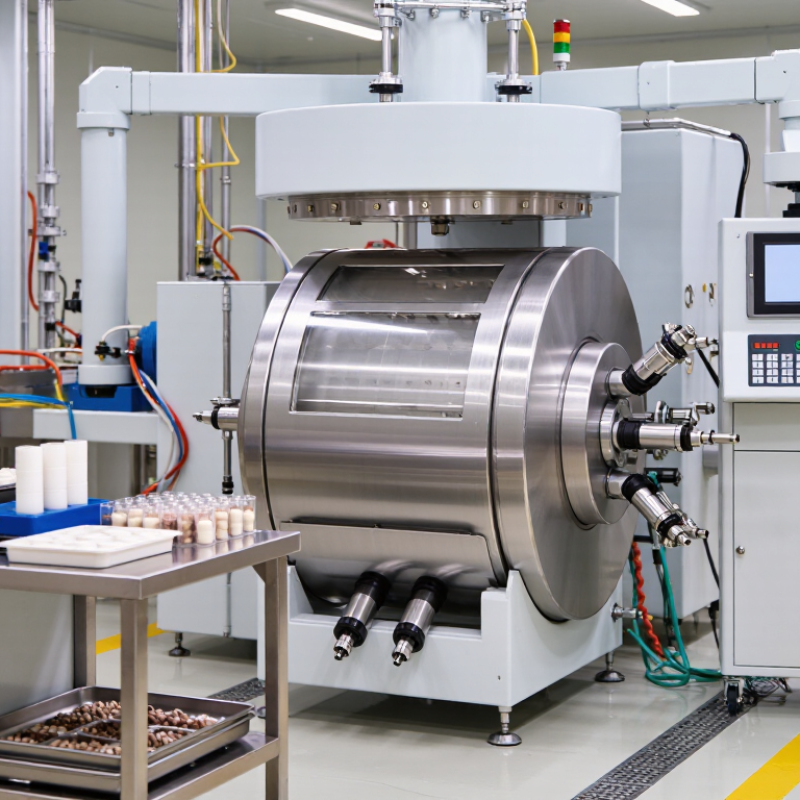
Table of Contents [Hide]
What Is a Laboratory Coating Machine?
A laboratory coating machine is a compact system for applying a controlled film onto a test surface. The surface may be metal foil, glass, polymer sheet, paper, or another prepared substrate. It spreads liquid, slurry, or suspension at a measured thickness and speed.
Common systems use a doctor blade, slot die, spray head, or dip mechanism. Each method creates different coating behavior. A doctor blade offers direct thickness control. A slot die supports more consistent continuous layers. Operators can adjust coating speed, gap size, drying temperature, and solution flow. These settings affect coverage, adhesion, surface texture, and drying defects.
A reliable machine should provide stable movement, repeatable settings, and clear data records. Safety shields and easy cleaning also matter during daily testing. In practical laboratory work, small errors can change the result. Uneven substrate tension may create streaks. A slightly blocked nozzle may distort an entire sample. Experienced technicians inspect the film under suitable lighting and measure thickness after drying.
The best choice in 2026 depends on the material, sample size, and required accuracy. Automation helps, but it does not replace judgment. A programmed setting can still produce a poor coating. That uncomfortable detail deserves attention. Researchers should test several speeds and drying conditions before trusting one process. Calibration records, maintenance logs, and controlled sample preparation make the results more credible.
Brands
Proudly Trusted by Top Suppliers Worldwide







Let us know and we will automate, together to fit your industrial needs.
 +91-97254 16844
Clients
Proudly Trusted by Top Companies Worldwide


Do you need Help? Get in touch.
X
Please fill out the form below and we will get back to you as soon as possible.