o
p
t
i
m
a
r
o
b
o
t
i
c
s

Make a Call


Make a Call
Blogs
What Is the Best Parcel Strapping Kit in 2026?
Choosing the best Parcel Strapping Kit in 2026 means matching the tool to the parcels you actually ship. A small online shop may need a compact tensioner and lightweight polypropylene strap. A busy dispatch bench may need faster, more durable equipment. The right choice should secure cartons firmly without crushing corners, wasting strap, or slowing the packing routine. Small details matter: grip comfort, strap width, seal type, and whether refills are easy to find.
A useful test is simple: Can the kit handle your heaviest typical parcel, then repeat the job comfortably through a full shift? Look closely at the tensioner, cutter, buckles, and instructions. Try the kit on a real carton, not only in a product photo. It should feel controlled in the hand. No awkward slipping. Even a well-reviewed kit can disappoint if its strap is hard to source or its seals do not suit your workflow.
A real expert quotation needs a verifiable source, and none was supplied with the request. Rather than inventing an expert’s name or words, this guide focuses on checkable factors: parcel size, daily volume, strap compatibility, handling comfort, and long-term supply. Some trade-offs remain. The fastest option may cost more, while a cheaper kit may demand extra effort. The best choice is the one that protects your parcels and fits your working day.
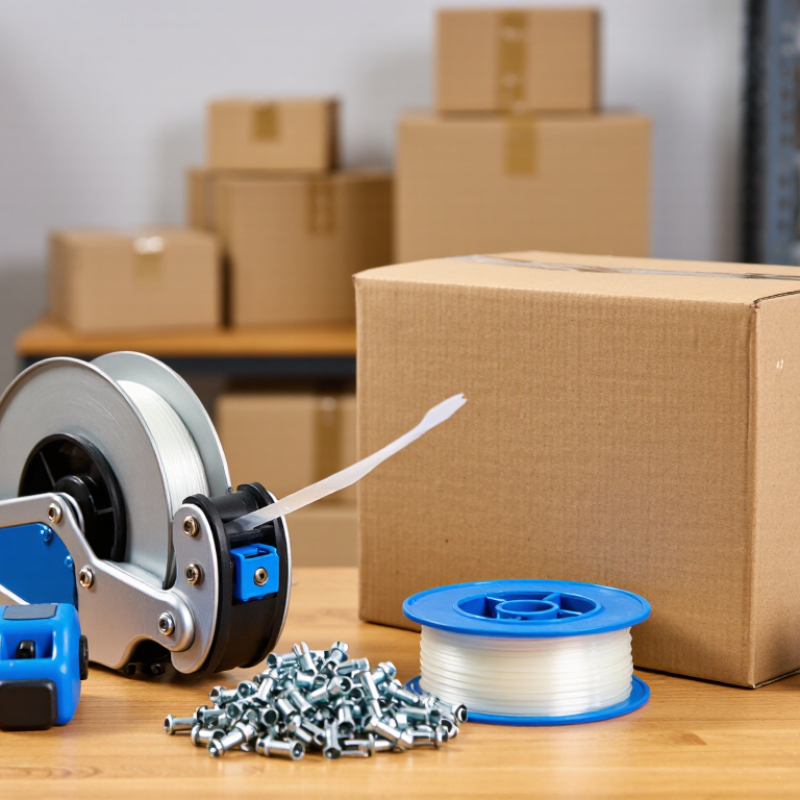
Table of Contents [Hide]
What a Parcel Strapping Kit Includes and How It Works
What Is the Best Parcel Strapping Kit in 2026?
A parcel strapping kit usually includes a strap coil, tensioner, sealer or buckle, and cutter. Some kits use metal seals; others join plastic strap with a heated or crimped seal. The right setup depends on parcel size, load weight, and how many packages you strap each day. No single kit fits every packing bench.
The process is simple, but tension takes practice. Feed the strap around the parcel, pull it snug with the tensioner, secure the overlap, then cut the excess. Keep the strap flat against the carton. Too loose, and the box may shift; too tight, and the edges can crush. It is easy to overtighten. Check a sample parcel before repeating the same setting across a batch.
Volume helps explain why a reliable routine matters. Pitney Bowes’ 2024 Parcel Shipping Index estimates that 161 billion parcels moved worldwide in 2023. That does not mean every parcel needs strapping. For heavier or awkward cartons, however, a properly fitted strap can help keep flaps closed during handling. Choose strap width and material for the package, and test the completed parcel by lifting and gently shifting it. A small amount of real-world testing is worth the extra minute.
What Is the Best Parcel Strapping Kit in 2026? — What a Parcel Strapping Kit Includes and How It Works
| Kit Component or Type | What It Includes | How It Works | Typical Strap Compatibility | Best Suited For | Key Limitation |
|---|---|---|---|---|---|
| Manual strapping kit | Usually a tensioner, a sealing tool or buckles, and a strap dispenser; strap may be sold separately. | The operator feeds strap around the parcel, pulls it tight with the tensioner, then closes the joint with a seal or buckle. | Commonly polypropylene (PP) or polyester (PET) strapping. Check the tool’s stated strap width and thickness. | Low-volume packing, occasional shipments, and work areas without powered equipment. | Requires more operator effort and typically takes longer per package than powered systems. |
| Tensioner and sealer kit | A separate tool for tightening the strap and a second tool for crimping a metal seal. | The tensioner removes slack; the sealer crimps the seal around overlapping strap ends to secure the joint. | Use only strap and seals compatible with the tools. Seal type and size must match the strap system. | Users who need a mechanically sealed joint and prefer separate, replaceable tools. | Requires a correctly matched seal and an extra tool step. |
| Tensioner with buckle kit | A tensioner, compatible plastic or metal buckles, and often a dispenser. | The strap is threaded through the buckle, tensioned, and secured by routing it through the buckle as directed by the tool or kit. | Compatibility depends on buckle design, strap material, and strap width; follow the kit instructions. | Light-duty parcels and applications where a separate crimping sealer is not wanted. | Joint strength depends on correct threading and the buckle-and-strap combination. |
| Battery-powered strapping tool | A powered tensioning and joining tool, plus a compatible battery and charger; a dispenser may be separate. | The tool tensions the strap and joins its ends using the tool’s specified method, commonly friction welding for compatible plastic strapping. | Typically designed for specified PP or PET strap sizes; consult the tool’s capacity limits. | Regular packing where faster, more consistent strapping is valuable. | Higher initial cost; batteries, maintenance, and compatible consumables must be considered. |
| Plastic strapping | Flexible strapping material, commonly supplied on a coil. | It is wrapped around the parcel and tensioned to help hold the package closed or keep items together. | PP is commonly used for lighter-duty applications; PET is often chosen when greater strength or tension retention is needed. Actual suitability depends on the load and specification. | Most ordinary parcel and carton applications when the strap rating suits the package. | It is not a substitute for a properly sized box, suitable cushioning, or secure carton sealing. |
| Dispenser and strap coil | A strap coil and, in some kits, a wheeled or tabletop dispenser. | The dispenser holds the coil and feeds strap while helping reduce tangling and uncontrolled unwinding. | Match the dispenser to the coil’s core, dimensions, and strap type. | Repeated packing or any setup where orderly strap feeding improves handling. | Some basic kits do not include a dispenser, so one may need to be purchased separately. |
| Choosing the best kit | Confirm the complete contents: tool, strap, seals or buckles, dispenser, and any required battery or charger. | Match the kit to the package, expected packing volume, desired joint method, and available operator effort. | Verify strap material, width, thickness, and tool capacity before purchasing or using the kit. | Manual kits for occasional use; powered tools for frequent use when their cost and maintenance are justified. | There is no single best kit for every parcel: package weight, dimensions, packing frequency, and tool compatibility matter. |
How the process works: Select compatible strap and tools, wrap the strap around the parcel, tension it without crushing the contents, secure the joint using the kit’s specified method, and check that the package remains stable. Always follow the tool and strap manufacturer’s operating and safety instructions.
Brands
Proudly Trusted by Top Suppliers Worldwide







Let us know and we will automate, together to fit your industrial needs.
 +91-97254 16844
Clients
Proudly Trusted by Top Companies Worldwide


Do you need Help? Get in touch.
X
Please fill out the form below and we will get back to you as soon as possible.