o
p
t
i
m
a
r
o
b
o
t
i
c
s

Make a Call


Make a Call
Blogs
What Is the Best Pouch Machinery from China?
Choosing the best Pouch Machinery from China requires more than comparing advertised speed or purchase price. The right machine must match the product, pouch format, film structure, and production volume. A stand-up pouch line may need zipper insertion, corner shaping, and reliable bottom sealing. A three-side-seal machine may require a simpler configuration, but its film tension control still matters.
Packaging machinery specialist Dr. Rainer Kuhn offers a useful principle: “The best machine is the one that delivers repeatable quality under real production conditions.” That standard changes the evaluation. Buyers should inspect servo-driven film feeding, sealing temperature stability, registration accuracy, and rejection control. Ask for recorded factory tests using your actual laminate. Watch the seal area closely. Wrinkles often reveal more than a brochure.
Supplier experience also deserves careful attention. Review installation records, spare-parts availability, remote support, and operator training. Request references from companies producing similar pouch sizes and materials. A trustworthy manufacturer should explain limitations clearly. It should not promise maximum speed without discussing film, product, or seal conditions.
No supplier is perfect.
Even a strong Chinese Pouch Machinery manufacturer may need adjustments after installation. Dust, humidity, inconsistent film thickness, and operator habits can affect performance. This is where practical experience becomes valuable. A reliable selection combines machine design, documented testing, service responsiveness, and realistic production targets. The lowest quotation may become expensive when downtime, wasted film, and weak seals appear. The best choice is usually the machine that remains stable when the factory floor becomes busy.
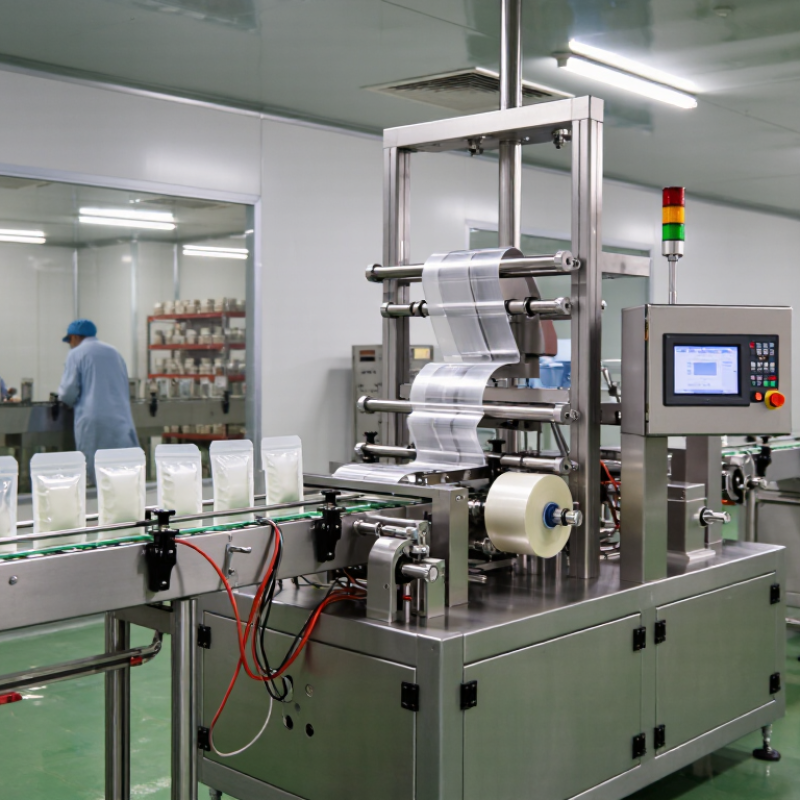
Table of Contents [Hide]
What Is Pouch Machinery and How Does It Work?
What Is Pouch Machinery and How Does It Work?
Pouch machinery converts flexible film into sealed packages through a controlled sequence of mechanical steps. A typical line unwinds film, corrects its alignment, forms the pouch, and creates heat seals. It may also add zippers, spouts, rounded corners, or tear notches. Filling systems measure the product before sealing the final opening. Sensors then check seal position, film movement, and package length.
The process looks simple, but small errors matter. Uneven tension can wrinkle the film. Excessive heat can weaken a seal. Poor calibration may create leaking pouches. Operators usually adjust temperature, pressure, dwell time, and filling speed during trials. A practical test should examine real film, actual product weight, and different production speeds. Paper specifications alone are not enough.
Market data explains this demand. Smithers’ report, The Future of Flexible Packaging to 2028, forecasts continued growth for flexible packaging, supported by lightweight designs and material efficiency. Grand View Research estimates the global pouch packaging market could expand at about 5.5% annually from 2023 to 2030. These figures support wider machinery adoption, but they do not identify one universally best machine. The right choice depends on pouch style, material structure, output targets, cleaning needs, and local technical support. Chinese pouch machinery often offers broad configuration options and competitive engineering costs. Still, buyers should request factory trials, seal-strength records, changeover times, and spare-part details. A cheaper purchase can become expensive when downtime is ignored.
Brands
Proudly Trusted by Top Suppliers Worldwide







Let us know and we will automate, together to fit your industrial needs.
 +91-97254 16844
Clients
Proudly Trusted by Top Companies Worldwide


Do you need Help? Get in touch.
X
Please fill out the form below and we will get back to you as soon as possible.