o
p
t
i
m
a
r
o
b
o
t
i
c
s

Make a Call


Make a Call
Blogs
7 Best Recycling Baler Machines for Global Buyers?
Global buyers are facing a larger and more demanding waste stream. The World Bank’s What a Waste 2.0 report estimated 2.01 billion tonnes of municipal solid waste in 2016. It projected this volume could reach 3.40 billion tonnes by 2050. UNEP’s Global Waste Management Outlook 2024 offers an even sharper warning. Municipal solid waste may rise from 2.3 billion tonnes in 2023 to 3.8 billion tonnes by 2050.
Baling capacity matters.
A reliable Recycling Baler Machine can compress cardboard, plastics, textiles, and selected metal packaging into manageable, stackable units. This reduces storage pressure and can improve transport efficiency. However, no machine fits every facility. A supermarket distribution center may need a vertical baler for moderate cardboard volumes. A materials recovery facility may require a high-throughput horizontal model with automatic wire tying. Moisture, contamination, bale density, power supply, maintenance skills, and local logistics all influence the final choice.
This guide examines seven strong options for international buyers. It compares throughput, chamber size, automation, energy use, safety features, installation demands, and service support. These criteria reflect practical purchasing concerns, not only catalogue specifications. Reported capacities also require caution. Manufacturers may measure output under ideal materials, trained operators, and continuous feeding. Real performance can be lower.
That difference matters.
The recommended machines should therefore be judged against verified site data, including daily waste volume, material composition, available floor space, and expected bale weight. Industry reports show the pressure clearly, but equipment decisions remain local, physical, and sometimes imperfect.
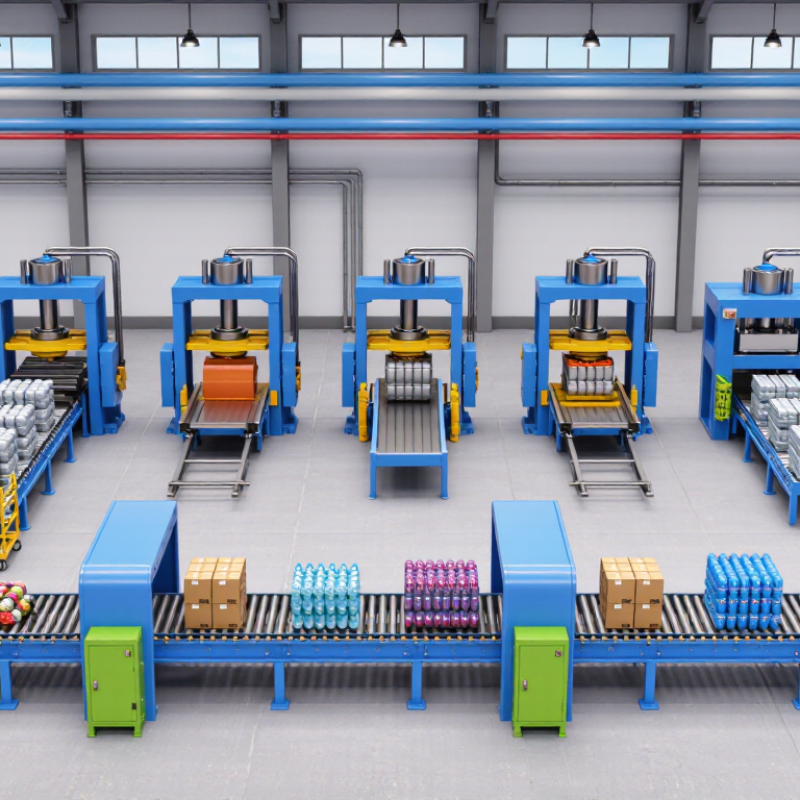
Table of Contents [Hide]
What Makes a Recycling Baler Machine Suitable for Global Buyers
7 Best Recycling Baler Machines for Global Buyers
What Makes a Recycling Baler Machine Suitable for Global Buyers
A suitable recycling baler must match local materials, power systems, labor skills, and transport conditions. UNEP’s Global Waste Management Outlook 2024 estimates municipal solid waste may reach 3.8 billion tonnes annually by 2050. Buyers therefore need machines that handle changing material volumes, not only today’s workload. Paper, cardboard, plastics, and textiles require different compression settings. Bale density, chamber size, and tying methods deserve practical testing before purchase.
Safety and reliability matter across borders. The machine should support regional voltage requirements, clear guarding, emergency stops, and accessible replacement parts. The International Energy Agency reports that industrial energy efficiency remains essential as global electricity demand grows. A baler with lower idle consumption can reduce operating costs, especially in facilities working long shifts. Remote diagnostics help, but they cannot replace trained technicians. That lesson is easy to overlook.
A global buyer should also examine shipping dimensions, installation time, documentation, and operator training. The World Bank’s What a Waste 2.0 report projected global waste generation could reach 3.40 billion tonnes by 2050. This suggests future capacity matters, yet oversized equipment can waste floor space and capital. I would compare several machines using real local feedstock, not showroom samples. Perfect specifications do not exist. A slightly slower baler may prove better when maintenance access is limited or electricity is unstable. Reliability is often measured in ordinary details: clean sensors, strong doors, simple controls, and service parts that arrive on time.
Brands
Proudly Trusted by Top Suppliers Worldwide





Let us know and we will automate, together to fit your industrial needs.
 +91-97254 16844
Clients
Proudly Trusted by Top Companies Worldwide


Do you need Help? Get in touch.
X
Please fill out the form below and we will get back to you as soon as possible.