o
p
t
i
m
a
r
o
b
o
t
i
c
s

Make a Call


Make a Call
Blogs
What Are the Best Safety Lockout Padlocks from China?
Choosing the best Safety Lockout Padlocks from China begins with risk control, not price. OSHA’s Control of Hazardous Energy standard, 29 CFR 1910.147, identifies lockout/tagout as essential during equipment servicing. OSHA commonly reports that effective lockout/tagout can prevent approximately 120 fatalities and 50,000 injuries annually. Those figures give this topic practical weight. A padlock is small. Its failure is not.
This guide evaluates Chinese-made options through measurable details, including body material, shackle hardness, key control, corrosion resistance, temperature tolerance, and identification. In a wet workshop, a rusting shackle may resist opening when an authorized worker needs it. In a crowded electrical cabinet, inconsistent keying can create confusion. ANSI/ASSP Z244.1 and ISO 14118 emphasize preventing unexpected machine start-up. Manufacturer testing should demonstrate relevant performance. Product claims alone are insufficient. Request test reports, batch records, and traceable specifications.
Industry evidence also demands humility. The U.S. Bureau of Labor Statistics tracks thousands of serious workplace injuries, but its databases rarely isolate padlock quality. The evidence is incomplete. Therefore, no responsible buyer should call one model universally “best.” Supplier audits, sample inspections, field trials, and worker feedback remain important. Look for ownership markings, durable labels, smooth operation, and a documented replacement process. Examine certification scope, not merely logos or sales rankings. China offers capable manufacturers, yet quality can vary between factories and batches. This article separates practical evidence from marketing language, helping safety managers choose dependable Safety Lockout Padlocks for real maintenance environments.
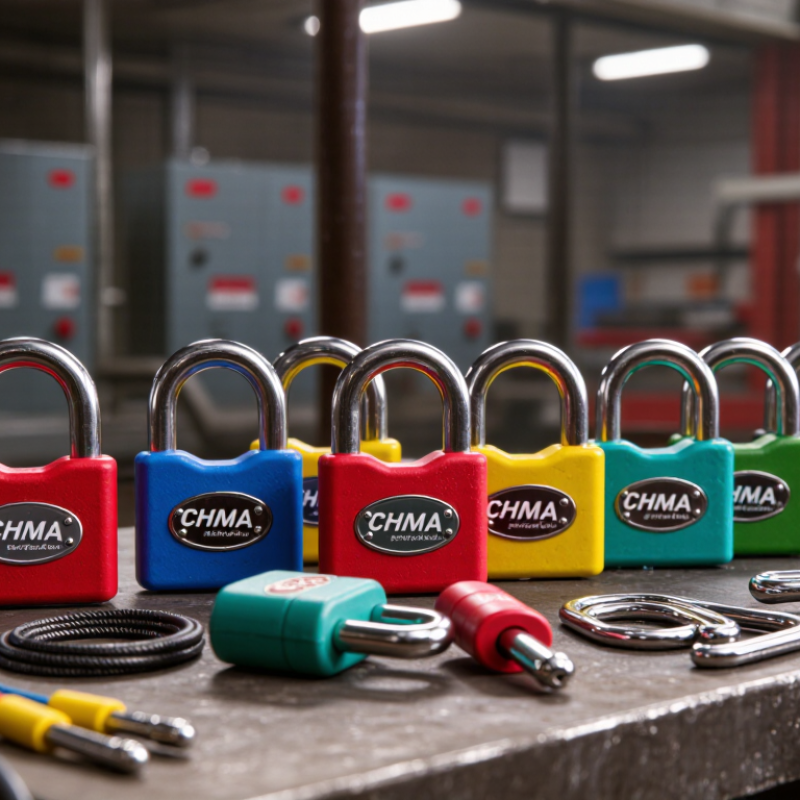
Table of Contents [Hide]
What Makes a Lockout Padlock Suitable for Workplace Safety?
A suitable lockout padlock protects a specific energy-control point during maintenance. The best models from China should have a strong, corrosion-resistant body and a shackle that resists cutting. However, strength alone is not enough. The lock must remain identifiable in a busy workshop. Bright colors, permanent labels, and clear key control reduce accidental removal. A non-conductive body can add protection near electrical equipment. The key should not open another worker’s lock. This detail is easy to overlook.
Tips: Check the lock beside real equipment before ordering large quantities. Test it with gloves, oily hands, and poor lighting. Confirm the label stays readable after cleaning. Ask suppliers for material details, test records, and sample locks. A sample often reveals more than a polished catalog image.
Workplace suitability also depends on daily use. A padlock should open smoothly, even after dust exposure and repeated handling. Its size must fit the hasps, valve covers, and breaker devices used on site. I would also inspect the key-retention design and color consistency across different production batches. A small difference can create confusion. No lock is perfect; weak training or careless storage can defeat a well-made product. Reliable suppliers should support traceable production records and respond clearly to technical questions.
Brands
Proudly Trusted by Top Suppliers Worldwide







Let us know and we will automate, together to fit your industrial needs.
 +91-97254 16844
Clients
Proudly Trusted by Top Companies Worldwide


Do you need Help? Get in touch.
X
Please fill out the form below and we will get back to you as soon as possible.