o
p
t
i
m
a
r
o
b
o
t
i
c
s

Make a Call


Make a Call
Blogs
What Is the Best Solids Control Agitator in China?
Choosing the best Solids Control Agitator in China requires more than comparing price tags or motor power. In drilling-fluid systems, an agitator must keep weighted mud moving, limit sediment buildup, and support stable solids-control performance. A suitable model should match tank dimensions, fluid viscosity, density, temperature, and operating conditions. Small details matter. Shaft length, impeller design, sealing quality, gearbox strength, and motor protection can affect daily reliability.
This guide examines Chinese agitator suppliers through practical and technical criteria. It considers material quality, manufacturing consistency, mixing efficiency, energy use, maintenance access, documentation, and after-sales support. Experienced drilling teams often inspect vibration, noise, seal leakage, and sediment patterns during commissioning. These observations can reveal problems that brochures do not show. A strong supplier should provide clear specifications, test records, installation guidance, and responsive technical service. Certifications are useful, but they should support real performance evidence.
There is no universal winner.
The “best” choice depends on the application. A compact tank may need a different impeller than a large active system. Highly weighted mud can expose weak gearboxes quickly. That said, product selection is not always perfectly objective. Field conditions change, operators have different priorities, and published performance figures may require verification. This article therefore compares practical strengths and limitations instead of making an unsupported absolute claim. It aims to help drilling contractors, equipment buyers, and maintenance managers make a more reliable decision when evaluating China’s Solids Control Agitator market.
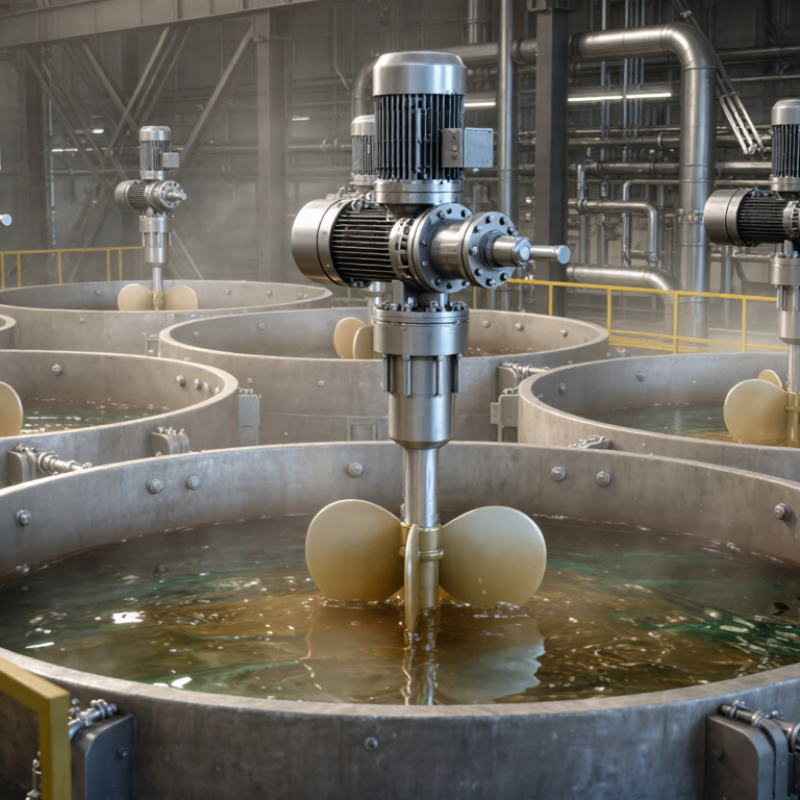
Table of Contents [Hide]
What Is a Solids Control Agitator and Why Is It Used?
A solids control agitator is a mechanical mixer installed inside a drilling-fluid tank. Its impeller keeps barite, cuttings, and weighting materials suspended. Without movement, heavy particles settle quickly near the tank bottom. This creates dead zones, inaccurate mud density, and difficult transfers.
The right agitator in China depends on tank volume, mud viscosity, solids loading, and operating temperature. For many drilling systems, a low-speed, high-torque unit provides steadier circulation than a fast propeller. It should produce full-tank movement without excessive air entrainment.
A practical design often includes adjustable blades, sealed bearings, corrosion-resistant wetted parts, and simple maintenance access. Small details matter.
MarketsandMarkets’ 2024 Drilling Waste Management Market report estimates the sector will grow from about USD 6.7 billion in 2023 to USD 9.0 billion by 2028. IEA’s Oil 2024 report also projects global oil demand to rise by roughly 3.2 million barrels per day by 2030. These figures suggest continued pressure on drilling efficiency and fluid control. However, market growth does not make one agitator universally best. I would not specify equipment from catalog data alone. Field testing is still necessary. A unit may look efficient but leave settled solids behind. Operators should check mixing patterns, motor load, noise, and sediment depth during actual circulation.
Brands
Proudly Trusted by Top Suppliers Worldwide







Let us know and we will automate, together to fit your industrial needs.
 +91-97254 16844
Clients
Proudly Trusted by Top Companies Worldwide


Do you need Help? Get in touch.
X
Please fill out the form below and we will get back to you as soon as possible.