What Are the Best Tank Container Manufacturers in China?
Choosing a Tank Container manufacturer in China involves more than comparing prices or production capacity. Buyers need evidence that each unit is designed, built, tested, and documented for its intended service. Small details matter. Look closely at weld quality, stainless-steel specifications, insulation, heating options, valves, manways, and protective frames. Ask how pressure testing and final inspections are recorded. A clear answer is more useful than a glossy product photograph.
This guide introduces leading Chinese manufacturers and the factors that can help buyers assess them. It considers product range, engineering capability, customization, quality controls, delivery experience, and after-sales support. These points matter whether a company needs standard equipment or a specialized configuration. Still, no checklist is perfect. Supplier claims should be verified through current certificates, inspection records, factory visits, or independent audits where practical. A large factory does not automatically mean the best fit, and a lower quote may leave important service details unclear. Requirements also vary by cargo, route, and operating conditions, so confirm that a proposed design matches the actual application and applicable standards. There is no universal winner. The most suitable manufacturer is the one that can demonstrate consistent workmanship, transparent documentation, and dependable support for the buyer’s specific needs.
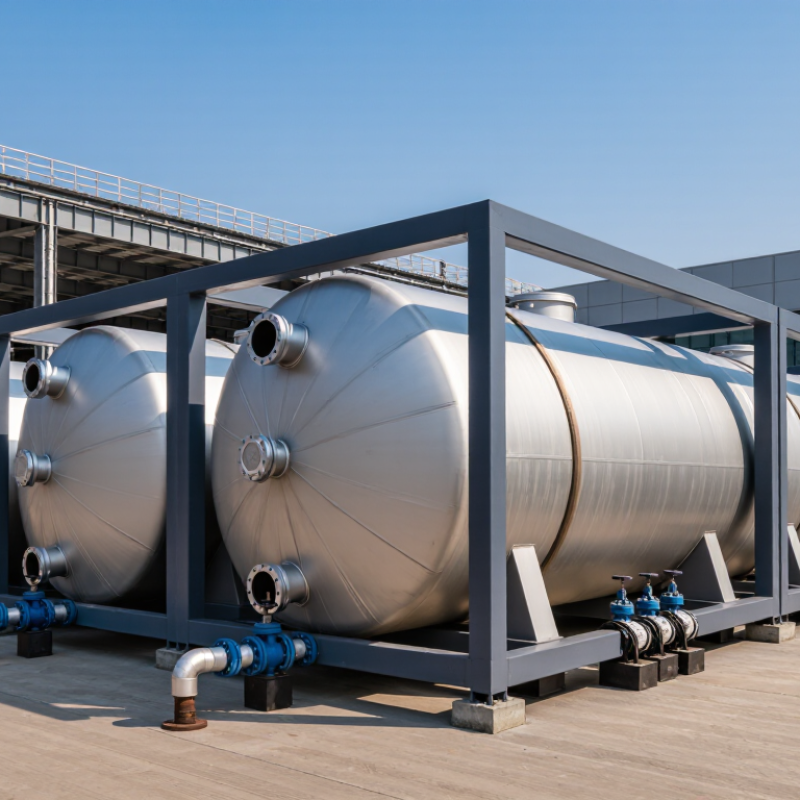
Tank Containers and Their Role in Global Transport
Tank containers make global transport more continuous. A sealed vessel sits inside a protective frame and can move between ships, rail wagons, and trucks without transferring its contents. This can reduce handling steps and help limit delays at busy terminals. The frame protects the tank during routine movement, while the vessel is designed for defined operating conditions. Details matter.
When comparing manufacturers in China, buyers should look beyond price and production capacity. Ask for clear design specifications, material traceability, weld inspection records, and documented pressure and leak tests. Check that the proposed tank suits the product, route, and loading equipment. A strong sales promise is not enough; technical documents should be specific and easy to verify. Independent inspection can add confidence, though it cannot replace careful review.
Daily use also depends on practical details: valve access, insulation needs, cleaning procedures, and availability of replacement parts. These affect turnaround time across ports and depots. A container may meet its design requirements yet still be awkward for a particular operation. That is easy to overlook. The best choice is usually the one whose verified design, service support, and handling features match the actual transport plan—not simply the one with the lowest quotation.
How to Evaluate Tank Container Manufacturers in China
When evaluating tank container manufacturers in China, look beyond polished brochures and headline capacity. Ask how the factory controls steel sourcing, welding, inspection, and final testing. Request sample material certificates and traceability records for a completed unit. Then check whether the records match its serial number. Small discrepancies matter.
Inspect the production site if possible. Look at weld consistency, surface preparation, pipe connections, and protective finishes. Ask to see pressure-test procedures and calibration records, not only a passing certificate. A clean workshop helps, but it does not prove every process is controlled. Ask how design changes are reviewed and documented. Also confirm that the manufacturer can explain insulation options, heating arrangements, and maintenance access for your intended cargo and route. Keep the application specific.
Check references from customers with comparable operating needs. Ask about delivery changes, replacement parts, and response times after installation. A useful supplier gives clear answers and flags limitations early. That said, one visit or reference call cannot settle everything. I would compare written specifications against the delivered unit, line by line, and allow an independent inspection before shipment. It takes time. Worth it.
Major Tank Container Manufacturers in China
China’s major tank container manufacturers range from integrated factories to specialist producers focused on particular designs. Their capabilities may include tank-shell fabrication, frame assembly, insulation, heating systems, and final testing. Stainless steel grade, shell thickness, and fittings should match the intended service and operating conditions. Details matter.
For buyers, factory capacity alone tells only part of the story. Ask how welds are inspected, how material batches are traced, and what records accompany pressure and frame tests. A polished brochure is not proof. Review sample inspection documents and confirm which applicable standards and approvals cover the exact model. Check whether spare parts and technical support are available after delivery, especially for valves, seals, and heating components. These small items affect maintenance.
Compare manufacturers using the same specification sheet, not broad claims about quality. Visit the production line when possible; look for clear work instructions, calibrated instruments, and consistent identification marks. Independent inspection can help verify critical checks, though it cannot replace careful specification review. I would also ask how design changes are controlled. That step is often overlooked, and it can be.
Comparing Product Range, Certifications, and Production Capacity
Comparing Chinese tank container manufacturers starts with the range they can build. Some offer standard tank containers, while others also make insulated, heated, or food-grade models. Check whether the factory handles design, frame fabrication, tank welding, and final testing in-house. That detail matters. A broad catalogue is less useful if key options rely on subcontractors. Ask for drawings, material specifications, and sample inspection records for the exact configuration you need.
Certifications deserve a closer look than a logo on a brochure. Confirm that certificates are current, apply to the manufacturing site, and cover the product type under discussion. Ask how welds are inspected and how pressure and leak tests are recorded. Production capacity also needs context: compare stated monthly output with actual lead times, workforce, equipment, and recent delivery records. A large number can flatter a sales pitch. I would treat it as a starting point, not proof. During a factory visit, observe whether test stations are active and records match the finished units. Small gaps in paperwork can reveal a process that needs more checking.
Selecting a Manufacturer for Specific Cargo and Operating Needs
Selecting a tank container manufacturer in China starts with the cargo, not the catalogue. Map the product’s viscosity, temperature range, density, and cleaning needs. A food-grade liquid may require a different lining and inspection routine than a corrosive industrial liquid. Ask how the tank’s steel, seals, valves, insulation, and heating system suit your operating conditions. Small details matter. A valve placed awkwardly can slow unloading at a busy depot.
Request drawings, material specifications, pressure-test records, and a sample inspection plan. Check whether the manufacturer can explain its quality checks and provide traceable documentation. Discuss expected routes, handling equipment, and maintenance access before agreeing on a configuration. A low purchase price may not cover costly cleaning or downtime. It is easy to overvalue a neat showroom; practical service support deserves equal attention. One specification can still miss something, so review it with the people who load and maintain the tanks.
Tips: Share a real cargo profile and operating cycle, not just a product name. Ask for references involving similar service conditions. Clarify spare-parts availability, warranty limits, and response times in writing. If an answer stays vague, pause and verify it.











