o
p
t
i
m
a
r
o
b
o
t
i
c
s

Make a Call


Make a Call
Blogs
10 Best Titanium Bar Suppliers for Global Buyers
Choosing a Titanium Bar supplier is not simply a matter of finding the lowest quote. Global buyers need to verify grade, dimensions, traceability, testing, and delivery capability before placing an order. A bar may look flawless under warehouse lighting, yet its paperwork and test results matter just as much. Aerospace demand offers one reason for careful sourcing: Boeing’s 2024 Commercial Market Outlook forecasts 43,975 new aircraft deliveries worldwide from 2024 through 2043. Demand is real. But a forecast does not guarantee steady availability for every alloy or size.
Supply chains also deserve close attention. The U.S. Geological Survey’s Mineral Commodity Summaries 2024 documents titanium sponge production across a relatively small group of producing countries, an upstream detail that can affect sourcing options and lead times. Still, sponge production is not the same as finished-bar capacity, so buyers should assess each supplier’s actual processing and inspection resources. The evidence may be thin. A credible supplier should provide material test reports, clear grade identification, dimensional tolerances, and realistic shipping dates. Buyers should also ask how nonconforming material is handled. These checks are practical, not decorative. This guide compares ten suppliers for global buyers, focusing on product range, documentation, quality controls, and export experience. No ranking removes every uncertainty; specifications, stock, and service can change, so confirm critical details directly before purchase.
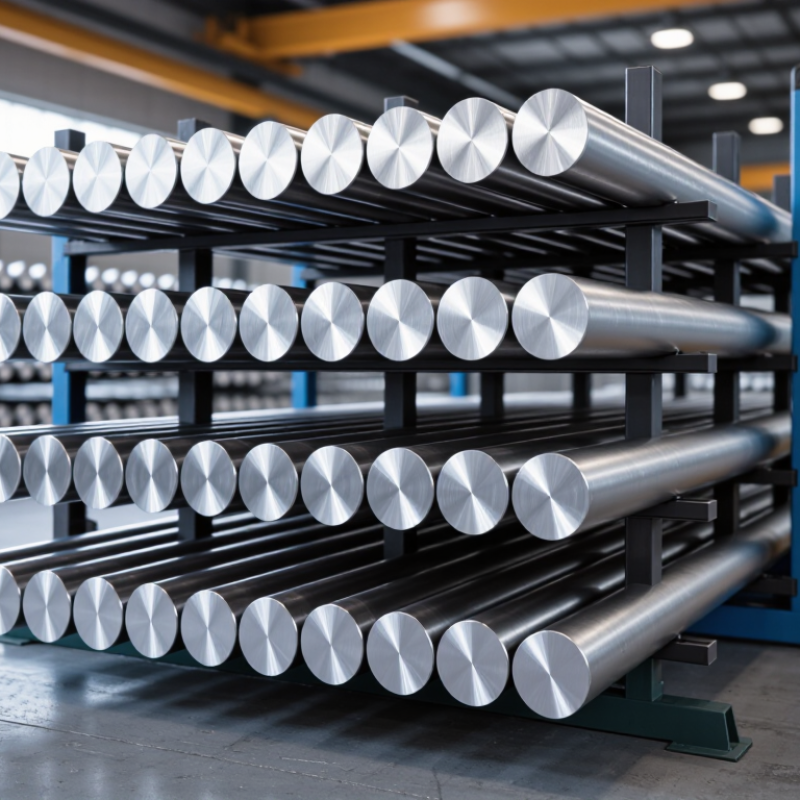
Table of Contents [Hide]
What Titanium Bars Are and How Global Industries Use Them
A titanium bar is a solid, semi-finished product supplied in round, square, or flat sections. Its grade and processing history affect strength, corrosion resistance, and ease of machining. It may be annealed, hot-worked, or cold-finished, so two bars with similar dimensions can behave differently in production. Details matter. Buyers should match the material certificate to the required grade and condition, rather than relying on appearance alone.
Global industries use titanium bars where low weight and resistance to corrosion are valuable. Aerospace manufacturers machine them into structural fittings and fasteners. Medical-device producers use suitable grades for components that require biocompatibility and careful surface finishing. Marine equipment makers may choose titanium for parts exposed to saltwater. Chemical-processing facilities use it in selected equipment exposed to corrosive media. Titanium is not automatically the best choice; cost, machining time, and the specific environment all matter.
For international purchasing, clear specifications help prevent costly mismatches. State the grade, diameter, length, tolerances, surface condition, and applicable inspection requirements. Ask for traceability documents, such as a material test certificate linked to the bar’s heat number. Check packing methods too: long bars can bend or suffer surface damage during transit. A supplier’s quote may look competitive, but unclear tolerances or incomplete records deserve a closer review.
Brands
Proudly Trusted by Top Suppliers Worldwide







Let us know and we will automate, together to fit your industrial needs.
 +91-97254 16844
Clients
Proudly Trusted by Top Companies Worldwide


Do you need Help? Get in touch.
X
Please fill out the form below and we will get back to you as soon as possible.