o
p
t
i
m
a
r
o
b
o
t
i
c
s

Make a Call


Make a Call
Blogs
7 Cable Protection Sleeve Buying Tips for Global Buyers
Global cable assemblies face vibration, abrasion, moisture, heat, and frequent movement. A suitable Cable Protection Sleeve can reduce these risks, but product selection is rarely simple. Buyers must examine sleeve material, temperature range, flexibility, expansion ratio, flame behavior, and installation conditions. A sleeve that performs well inside a clean control cabinet may fail beside a hot engine or exposed conveyor.
Cable-management engineer Dr. Laura Bennett explains, “Protection begins with understanding the cable’s real working environment, not merely choosing the thickest sleeve.” This practical view matters for international purchasing teams. A heavy sleeve may increase weight, restrict bending, or complicate maintenance. A low-cost option may also create hidden replacement expenses. Small details matter, such as a 6-millimeter cable bundle entering a tight 90-degree bend, or a sleeve exposed to oil every afternoon.
This guide presents seven Cable Protection Sleeve buying tips for global buyers. It considers product performance, supplier communication, documentation, packaging, and long-term value. Buyers should request samples and test them under realistic conditions. That step is often skipped.
The market is not perfectly standardized. Product names, test methods, and supplier claims can differ between regions. Careful comparison remains essential. Sometimes, the first specification is wrong. Rechecking it is good purchasing practice. By combining field experience with measurable requirements, buyers can reduce installation problems and select protection that remains dependable across demanding applications.
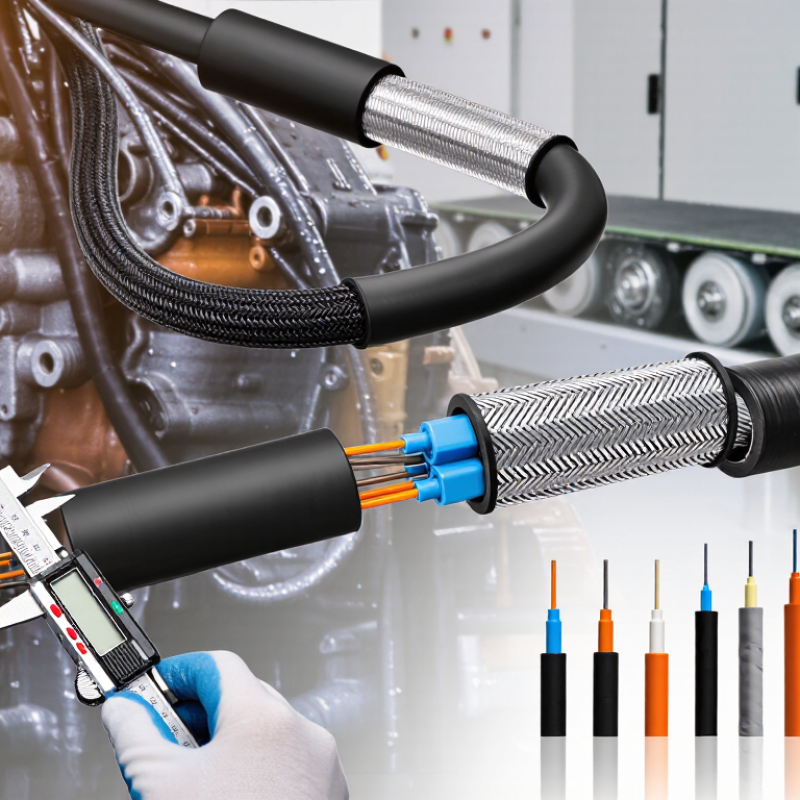
Table of Contents [Hide]
Define Sleeve Types: PET, Nylon, Fiberglass, and Spiral Wrap by Use Case
PET, Nylon, Fiberglass, or Spiral Wrap? The right cable sleeve depends on the working environment, not appearance. A 2024 Grand View Research analysis estimates the global cable management market will grow strongly through 2030, driven by data centers, vehicles, and industrial equipment. That growth makes material selection more important for global buyers.
PET braided sleeving suits cable bundles needing abrasion resistance, airflow, and easy expansion. It works well behind control panels and inside equipment frames. Nylon offers tighter protection and better resistance to rubbing, oils, and repeated movement. Use it near moving assemblies, but verify its temperature rating. PET is not automatically the cheaper answer.
Fiberglass sleeving handles higher temperatures, especially with a silicone coating. It fits near motors, heaters, and engine compartments. Check continuous temperature data, not only short-term peak ratings. Spiral wrap is different. It supports quick routing, branch exits, and field repairs, but leaves gaps between turns. It is flexible, not sealed protection.
A 2023 MarketsandMarkets report identifies industrial automation and transportation as major cable management growth areas. Those environments often combine heat, vibration, chemicals, and tight bends. One sleeve may not solve every risk. I have seen neat installations fail because the sleeve compressed against a sharp edge. Recheck bend radius, flame behavior, cleaning chemicals, and installation tools before approving a purchase. Supplier test reports should support every claimed rating.
Brands
Proudly Trusted by Top Suppliers Worldwide






Let us know and we will automate, together to fit your industrial needs.
 +91-97254 16844
Clients
Proudly Trusted by Top Companies Worldwide


Do you need Help? Get in touch.
X
Please fill out the form below and we will get back to you as soon as possible.