| Product-standard fit | Confirm that the proposed pipe standard matches the application, product form, grade, dimensions, and governing code. | Purchase specification, quotation, drawings, and the supplier’s production and inspection plan. | Check the exact standard and edition stated in the order. Do not treat different product standards as interchangeable. | Examples include ASTM A312 for austenitic stainless steel pipe; ASTM A358 for electric-fusion-welded austenitic alloy steel pipe; EN 10217-7 for welded stainless steel tubes for pressure purposes. |
| Material grade and traceability | Verify the specified grade, heat number, and link between the material certificate and the delivered pipe. | Material test certificate, heat-number records, bundle or pipe markings, and documented traceability records. | Match grade and heat number across documents and markings. Confirm that the certificate covers the actual supplied material. | EN 10204 describes types of inspection documents, including type 3.1. The required document type should be stated in the purchase contract. |
| Chemical composition | Check reported alloying elements against the ordered grade’s chemical requirements. | Heat-analysis results on the material certificate; independent laboratory testing or portable positive material identification (PMI) when appropriate. | Compare results with the specified material standard and grade. PMI is a verification aid and does not replace a complete laboratory chemical analysis. | Use the chemical limits in the applicable product or material specification. |
| Mechanical properties | Review tensile properties and any other mechanical requirements specified for the product. | Material certificate and test reports identifying the test method, results, and material heat or lot. | Check that the reported values meet the ordered grade and product-standard requirements; verify additional requirements in the contract. | Applicable product and material specification; referenced test methods depend on the order and governing standard. |
| Welding process and control | Assess whether welding procedures, personnel qualifications, and production controls suit the ordered pipe and weld process. | Welding procedure specifications, procedure qualification records where required, welder or operator qualification records, and weld-production logs. | Confirm that documented controls cover the actual process and product. Requirements depend on the contract, application, and governing code. | ISO 3834 specifies quality requirements for fusion welding of metallic materials; the applicable level and scope should be agreed for the project. |
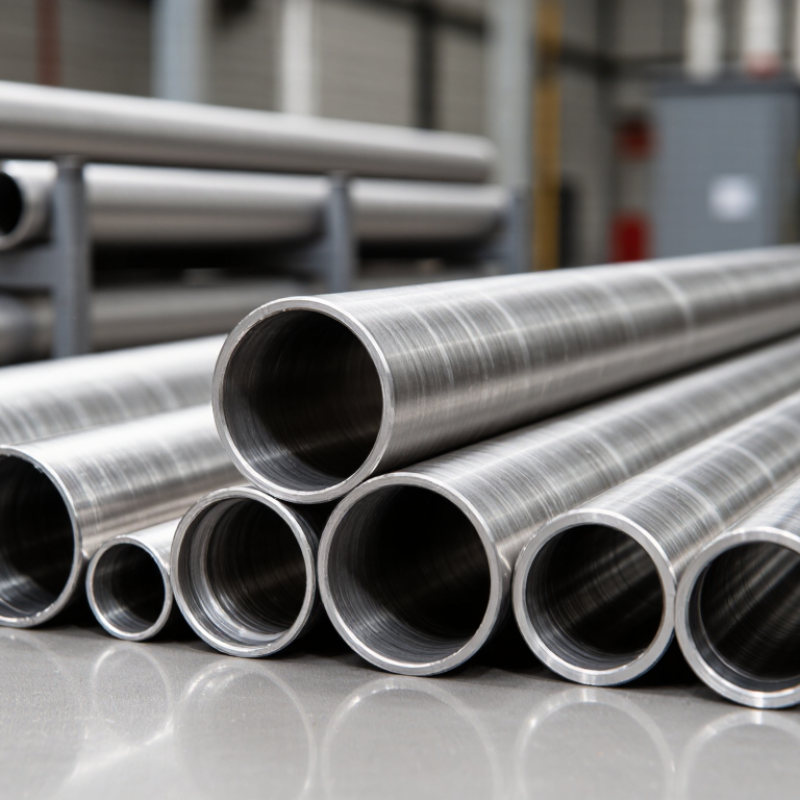
| Weld and surface condition | Inspect weld appearance, surface condition, ends, and any finishing required by the specification. | Visual inspection records, production photographs where useful, and inspection of representative finished pipes. | Compare workmanship and finish with the purchase specification and applicable acceptance criteria; visual inspection alone does not establish internal soundness. | Acceptance criteria should come from the ordered product standard, project specification, or agreed inspection plan. |
| Non-destructive examination | Confirm the required examination method, coverage, acceptance criteria, and examination records. | Applicable NDT procedure, operator qualifications where required, equipment records, and reports traceable to pipe or lot identification. | Verify that the method and extent of examination meet the order. Do not assume every standard or application requires the same NDT method or coverage. | ISO 10893 is a series of standards for non-destructive testing of steel tubes; the relevant part depends on the method and product requirements. |
| Dimensions and tolerances | Check outside diameter, wall thickness, length, straightness, and end preparation against the order. | Calibration records for measuring equipment and inspection reports with actual readings and sampling details. | Use the tolerance limits in the specified product standard or contract. Generic tolerance assumptions can lead to incorrect acceptance decisions. | Applicable product standard, approved drawing, and purchase specification. |
| Pressure or leak testing | Determine whether hydrostatic testing, an alternative leak test, or another pressure-related test is required. | Test procedure, equipment calibration records, test pressure and duration where applicable, and results linked to the product or lot. | Confirm the test method and acceptance criteria against the ordered standard and service requirements; testing requirements vary by product and specification. | Applicable product standard and project or purchase requirements. |
| Heat treatment and corrosion requirements | Check whether solution treatment, pickling, passivation, or corrosion-related testing is required for the grade and service. | Heat-treatment records, finishing process records, and corrosion-test reports when specified. | These requirements are application- and specification-dependent. Request evidence only where the contract or governing standard requires it. | ASTM A262 contains practices for detecting susceptibility to intergranular attack in austenitic stainless steels; use only when applicable and specified. |
| Quality management and corrective action | Review document control, inspection planning, nonconformance handling, and corrective-action processes. | Quality-management-system certificate with scope and validity, audit records, inspection plans, and anonymized corrective-action examples. | Check certificate scope, issuing body, and validity. A management-system certificate does not by itself prove that a particular pipe shipment conforms. | ISO 9001 specifies requirements for quality management systems. |
| Production capacity and delivery control | Verify that available equipment, production planning, and subcontracting controls can support the ordered specification and schedule. | Facility audit, equipment and process list, production schedule, capacity records, and disclosed subcontracting arrangements. | Assess evidence against the requested size range, quantity, inspection needs, and delivery date rather than relying on general capacity claims. | Assess against the purchase specification and agreed delivery plan. |
| Packaging, marking, and shipment records | Confirm protection against handling or transit damage and preservation of required identification. | Packing specification, marking samples, packing list, and pre-shipment inspection records. | Ensure markings and documents remain traceable to the order and that packaging suits the route, handling, and storage conditions. | Purchase specification and agreed shipping requirements. |