o
p
t
i
m
a
r
o
b
o
t
i
c
s

Make a Call


Make a Call
Blogs
China Top 10 Explosion Proof Emergency Light Suppliers
In chemical plants, grain-processing sites, and fuel-handling facilities, emergency lighting must do more than switch on. It must remain dependable where flammable gases or dust may be present. The right Explosion Proof Emergency Light can help workers identify exits, read signs, and navigate a dark corridor after power fails. Small details matter: battery autonomy, beam coverage, enclosure materials, and clear certification documents.
NFPA’s report on fires in U.S. industrial and manufacturing properties estimated an average of 37,910 fires annually from 2011 to 2015. It also reported 16 civilian deaths and 273 injuries per year. These figures cover industrial fires, not explosion-proof lighting failures, but they show why emergency readiness deserves careful evaluation. NFPA fire analyst Marty Ahrens has examined these risks in detail. His published analysis is useful context, though I could not verify an on-record quotation from him about explosion-proof emergency lights. I will not invent one.
This guide compares China’s top suppliers through practical questions: Do product documents identify the intended hazardous-area rating? Are battery duration and operating temperatures stated clearly? Can buyers review test records and after-sales support? No supplier should be judged by a catalog image alone. A polished housing proves little. Specifications, traceable documentation, and consistent service matter more. Some listings may still leave questions unanswered; that is worth noting, not glossing over. The comparisons ahead aim to help buyers assess products carefully and request evidence before making a decision.
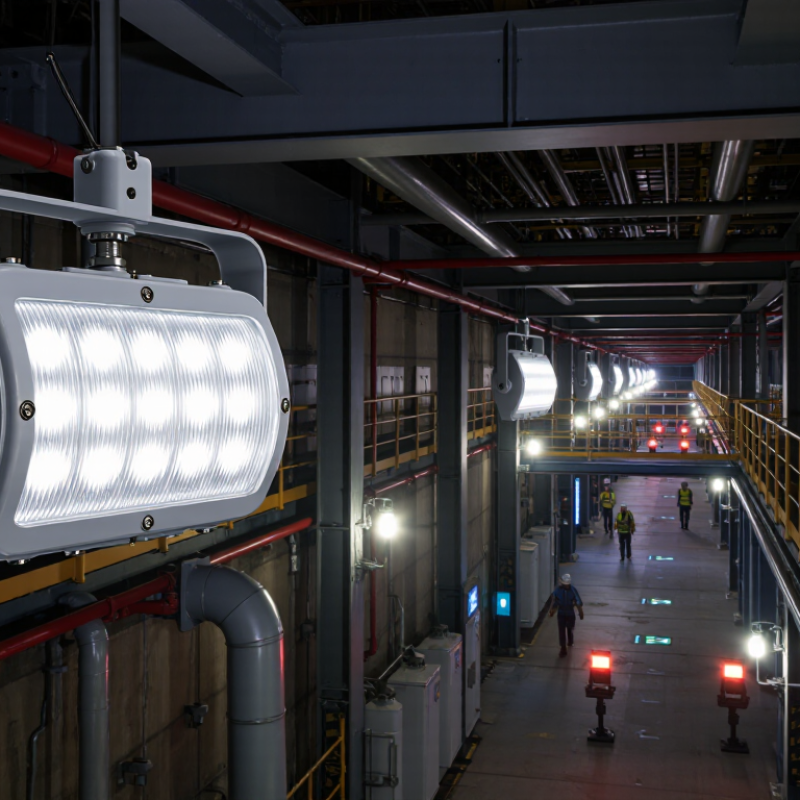
Table of Contents [Hide]
What Explosion-Proof Emergency Lights Are and Where They Are Used
Explosion-proof emergency lights are designed for locations where flammable gas, vapor, or combustible dust may be present. Their enclosures limit the chance that an internal electrical fault will ignite the surrounding atmosphere. They are not simply heavy-duty lamps. Selection depends on the site’s hazardous-area classification, the substances present, and the required temperature rating. Details matter.
During a power failure, an emergency unit uses a battery or backup supply to illuminate exits, stairs, and equipment routes. Think of a dim corridor beside a process line, or a dusty elevator where workers need to find an exit quickly. Common settings include chemical plants, refineries, grain facilities, paint areas, and some wastewater operations.
The U.S. Chemical Safety Board’s 2006 Combustible Dust Hazard Study recorded 281 incidents in the United States from 1980 to 2005, resulting in 119 deaths and 718 injuries. Those figures concern dust incidents, not lighting failures, but they show why ignition control and clear escape routes matter.
Not ordinary fixtures. A certified fitting still cannot compensate for a blocked exit, an untested battery, or a poor maintenance schedule. Choosing the right rating can be less straightforward than it first appears.
Brands
Proudly Trusted by Top Suppliers Worldwide







Let us know and we will automate, together to fit your industrial needs.
 +91-97254 16844
Clients
Proudly Trusted by Top Companies Worldwide


Do you need Help? Get in touch.
X
Please fill out the form below and we will get back to you as soon as possible.