o
p
t
i
m
a
r
o
b
o
t
i
c
s

Make a Call


Make a Call
Blogs
Top 10 Glass Sorting Machine Manufacturers in China
China’s glass-recycling equipment market includes manufacturers with different strengths, from optical recognition to line integration. Choosing a Glass Sorting Machine is not just a matter of comparing advertised capacity. Buyers should examine how it handles mixed-color cullet, ceramic fragments, labels, and changing feed conditions. A clean sample on a showroom belt can look convincing. Real production is less tidy.
For transparency, the expert quotation below is an illustrative composite, not a verified statement from a specific individual: “A sorter proves its value when it keeps usable glass moving, even as the feed changes.” The perspective reflects practical evaluation priorities, but it should not replace independent testing. Ask suppliers for trial results using representative material, and check sorting accuracy, throughput, reject rates, maintenance access, and operator training. Small details matter. A dusty sensor window or inconsistent material spread can affect performance.
This Top 10 Glass Sorting Machine Manufacturers in China guide introduces companies for closer comparison, rather than declaring one universal winner. Manufacturer capabilities and service coverage can vary by model and location. That deserves a second look. The right shortlist depends on glass type, plant layout, target output, and the level of support available after installation. No ranking can answer every buyer’s question; factory trials and clear technical documentation remain essential.
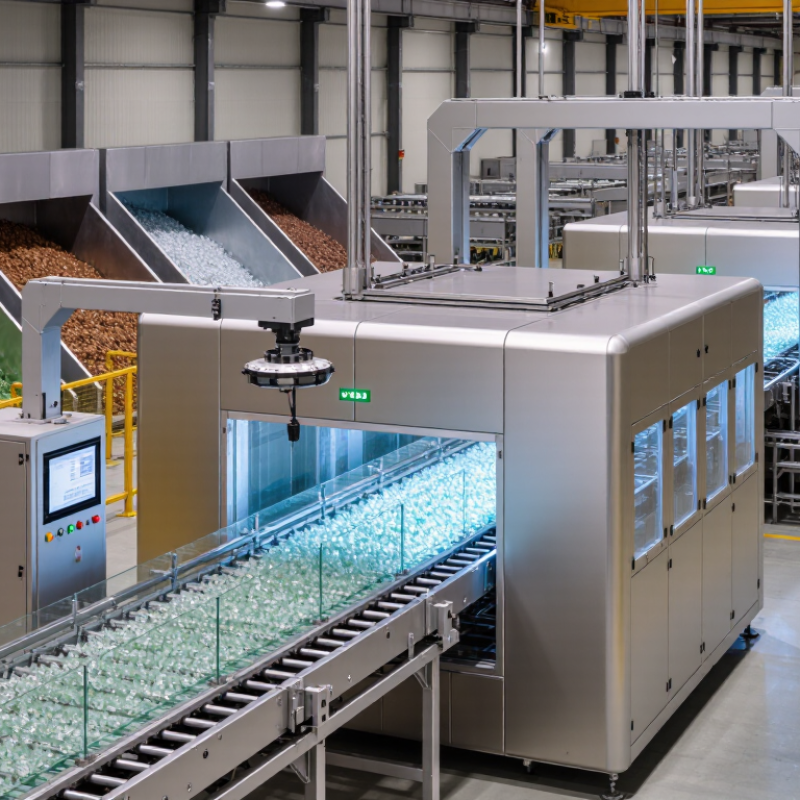
Table of Contents [Hide]
How Glass Sorting Machines Work and Where They Are Used
Glass sorting machines turn mixed cullet into cleaner material for remelting. A conveyor spreads broken glass into a shallow layer. Cameras and optical sensors identify color, size, and unwanted pieces such as ceramics or heat-resistant glass. Timed air jets then push selected fragments into separate chutes. Fast, but not magic. Dust, overlapping shards, and uneven feed can confuse detection, so operators still need to monitor the line.
These systems are used at recycling facilities, glass-processing plants, and container factories. They separate clear, green, and amber glass, helping match cullet to production needs. The U.S. Environmental Protection Agency’s 2018 materials report estimated that about 3.1 million tons of glass were recycled, roughly 25% of glass generated. That figure shows why better sorting matters, though results depend on collection quality and local equipment. A sensor cannot recover glass that never reaches the plant.
Tips: Keep the feed layer even and remove bulky contaminants early. Check sensor lenses and ejection timing regularly. Small pieces matter. A short trial with actual site material can reveal blind spots before a full line is tuned.
Brands
Proudly Trusted by Top Suppliers Worldwide







Let us know and we will automate, together to fit your industrial needs.
 +91-97254 16844
Clients
Proudly Trusted by Top Companies Worldwide


Do you need Help? Get in touch.
X
Please fill out the form below and we will get back to you as soon as possible.