o
p
t
i
m
a
r
o
b
o
t
i
c
s

Make a Call


Make a Call
Blogs
China Top 10 Muffle Furnace Manufacturers in 2026
China’s Muffle Furnace market offers buyers a wide range of designs, from compact benchtop units to large chamber furnaces. This guide compares ten manufacturers for 2026, focusing on practical details: maximum operating temperature, chamber dimensions, temperature uniformity, control systems, and service support. A bright digital display is useful, but it cannot compensate for unstable temperature performance or unclear specifications.
Heat-treatment authority Daniel H. Herring is known for his work on process control. The following line is an editorial summary, not a verified quotation from him: “Choose a furnace by the consistency of its process, not by its headline temperature.” That distinction matters. A laboratory handling small ceramic samples may need different features than a production team firing metal parts. Door clearance, insulation, ramp-rate control, and calibration options can affect everyday use. Small details count.
This ranking is a starting point, not a substitute for technical review. Manufacturers may revise models, specifications, and support arrangements, so buyers should confirm current details directly. A shortlist can narrow the field. It cannot test a furnace in your workspace.
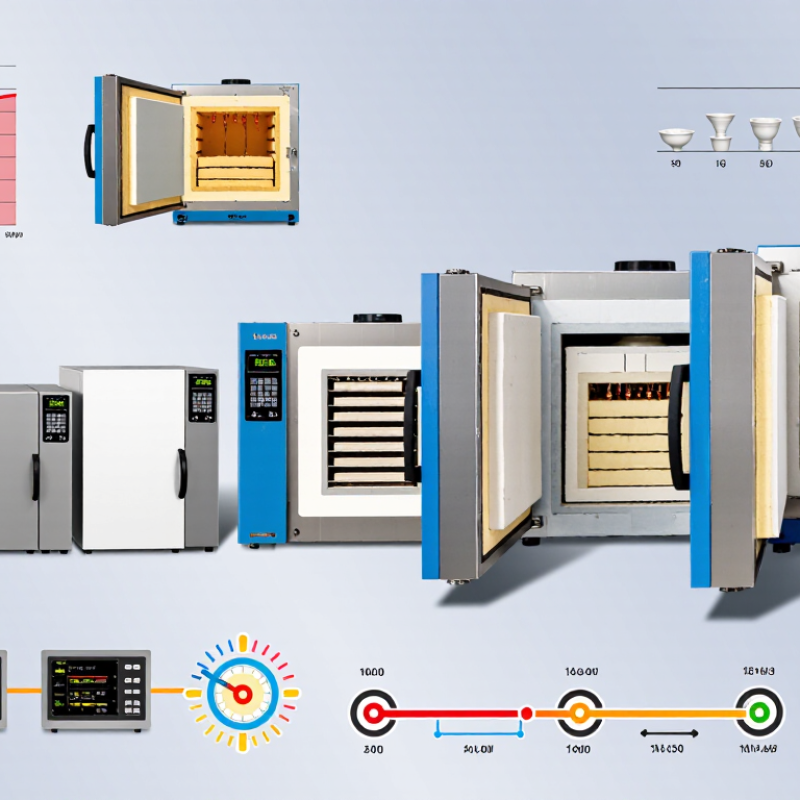
Table of Contents [Hide]
What Is a Muffle Furnace and Where Is It Used?
China Top 10 Muffle Furnace Manufacturers in 2026
What Is a Muffle Furnace and Where Is It Used?
A muffle furnace is a heated chamber designed to process samples at controlled temperatures. Its heating elements warm an insulated interior, while the sample remains separate from direct flame and many combustion byproducts. That separation matters. It can help produce more consistent results, though it does not prevent every form of contamination.
Laboratories use muffle furnaces for ash testing, material analysis, ceramic work, and heat treatment. For example, a technician may place a weighed sample in a ceramic crucible, heat it, then compare its mass before and after processing. Universities and quality-control facilities also use these furnaces to study how materials respond to heat. Results depend on more than the set temperature: sample size, placement, heating rate, and cooling conditions can all affect outcomes. The label “high temperature” alone tells you little about a furnace’s suitability.
Tips: Match the chamber size and temperature range to your actual samples. Use compatible crucibles, keep samples spaced apart, and record heating and cooling conditions. Check the manual before changing a program. A small detail, such as a crowded chamber, can undermine an otherwise careful test.
Brands
Proudly Trusted by Top Suppliers Worldwide







Let us know and we will automate, together to fit your industrial needs.
 +91-97254 16844
Clients
Proudly Trusted by Top Companies Worldwide


Do you need Help? Get in touch.
X
Please fill out the form below and we will get back to you as soon as possible.