o
p
t
i
m
a
r
o
b
o
t
i
c
s

Make a Call


Make a Call
Blogs
China Top 10 Shuttle Automation Manufacturers
Choosing a Shuttle Automation partner in China involves more than comparing equipment prices. A shuttle system may move pallets or totes through dense rack lanes, but its value depends on how well it fits the facility. A compact warehouse with fast-moving cartons has different needs from a high-bay operation handling full pallets. Details matter.
This guide to China’s top 10 Shuttle Automation manufacturers offers a starting point for evaluating suppliers, not a universal ranking for every project. It considers practical factors such as shuttle type, storage configuration, stated load capacity, control software, integration support, and access to maintenance. Buyers should check technical specifications against their own load dimensions, peak order patterns, aisle layout, and expansion plans. Ask for clear answers about commissioning, spare parts, and service response times.
Public product materials can help narrow the field, yet they do not prove how a system performs at a particular site. Request references, project details, and measurable performance data where available. Compare like with like. A polished demonstration may not reveal congestion during a busy shift, and a high throughput figure may rely on specific operating conditions. That is worth questioning. The list can help identify manufacturers for further review, but final selection should follow site assessment and direct technical discussion. Some information may be difficult to compare consistently; that limitation deserves attention, too.
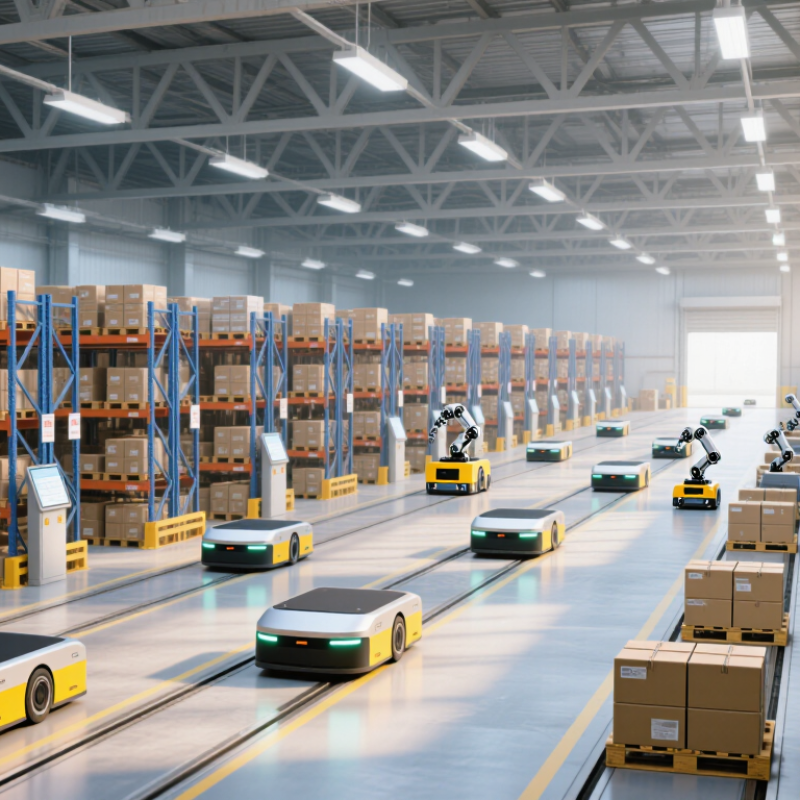
Table of Contents [Hide]
What Shuttle Automation Systems Are and How They Work
China Top 10 Shuttle Automation Manufacturers
What Shuttle Automation Systems Are and How They Work
A shuttle automation system moves totes or cartons through storage lanes using compact, motorized carriers. Each shuttle travels along rails inside a rack, retrieves a load, and delivers it to a lift or transfer point. The lift then moves items between levels and connects storage with picking or replenishment stations. Sensors help confirm position and detect obstacles. Software assigns storage locations and coordinates movements according to incoming orders. In a typical operation, a worker places a tote at a station, scans it, and waits while the system routes it to a selected lane. The process is precise, but not mysterious.
Performance depends on more than shuttle speed. Lane depth, lift capacity, item dimensions, order patterns, and peak-hour traffic all shape throughput. If one lift serves too many busy levels, queues can form even when the shuttles move quickly. That matters. Good system design begins with measured inventory and real order data, not just a target number of moves per hour. Operators should also consider maintenance access, spare parts, and how the facility will handle a stopped carrier. Automation can reduce repetitive travel, yet it adds controls and equipment that require trained support. A shuttle system is useful, but it is not a cure for poor slotting or changing processes. Even a sound plan may need adjustment after real shifts expose awkward handoffs.
Brands
Proudly Trusted by Top Suppliers Worldwide







Let us know and we will automate, together to fit your industrial needs.
 +91-97254 16844
Clients
Proudly Trusted by Top Companies Worldwide


Do you need Help? Get in touch.
X
Please fill out the form below and we will get back to you as soon as possible.