o
p
t
i
m
a
r
o
b
o
t
i
c
s

Make a Call


Make a Call
Blogs
How to Choose the Best Brick Kiln Oven for Global Sourcing?
Choosing the right Brick Kiln Oven for global sourcing requires more than comparing prices and heating capacity. A suitable model must match your product, fuel availability, production volume, and local operating conditions. Brick type matters. So does moisture control.
In real sourcing projects, small details often affect long-term performance. Inspect the kiln chamber, insulation layers, burner system, and exhaust design. Look for uneven brick color, visible cracks, or weak door seals. Ask suppliers for temperature records, energy data, installation drawings, and maintenance instructions. Request references from factories with similar output levels. A kiln that performs well in one region may struggle where fuel quality, humidity, or technician skills differ.
No checklist is perfect. That matters. Supplier claims should be tested through factory audits, sample firing, and documented acceptance standards. Buyers should also confirm spare-part availability, training support, safety procedures, and after-sales response times. Compliance with applicable environmental, workplace, and import requirements must remain part of the evaluation.
The “best” Brick Kiln Oven is not always the newest or cheapest option. It is the system that delivers stable results with manageable operating costs. Careful comparison can prevent expensive delays, damaged products, and difficult repairs. Some assumptions may still prove wrong after installation. Build room for adjustment. A reliable sourcing decision combines technical evidence, practical experience, and honest risk assessment.
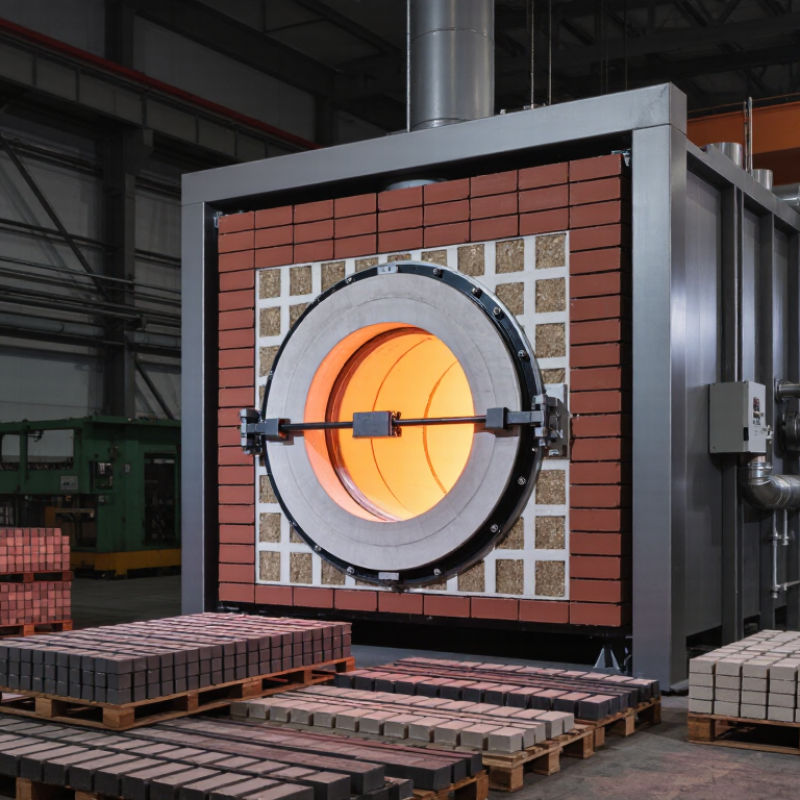
Table of Contents [Hide]
Define Production Needs and Brick Kiln Application Requirements
Define the output before comparing brick kiln ovens.
Record daily capacity, brick dimensions, clay moisture, firing temperature, and fuel availability. A kiln designed for 30,000 standard bricks per day may not suit irregular, dense products. Measure actual batch weight, too. Small assumptions here can become expensive delays.
Application requirements shape the kiln design. Continuous tunnel kilns support steady, high-volume production, while intermittent kilns may better fit varied batches or lower demand. Check the firing curve, temperature uniformity, loading method, and cooling time against your product’s strength and color targets.
The International Energy Agency’s 2023 report notes that buildings account for about 37% of global energy- and process-related CO₂ emissions. This broad sector figure is not a brick-kiln benchmark, but it reinforces why fuel use and heat recovery deserve close review.
Ask suppliers for operating data from comparable clay and product sizes, not just rated capacity. Request fuel consumption per thousand fired bricks, temperature records across the chamber, and evidence of performance during routine production. Visit a working site if possible.
Real conditions matter. One overlooked issue: local clay can vary between seasons, so a kiln that performs well during a short test may need process adjustments later. Make room for that uncertainty in the specification.
Brands
Proudly Trusted by Top Suppliers Worldwide






Let us know and we will automate, together to fit your industrial needs.
 +91-97254 16844
Clients
Proudly Trusted by Top Companies Worldwide


Do you need Help? Get in touch.
X
Please fill out the form below and we will get back to you as soon as possible.