o
p
t
i
m
a
r
o
b
o
t
i
c
s

Make a Call


Make a Call
Blogs
How to Choose a Copper Wire Recycling Machine in 2026?
Choosing a Copper Wire Recycling Machine in 2026 requires more than comparing prices and motor power. The right equipment should match your wire types, daily volume, labor capacity, and facility layout. A small workshop may need a compact granulator for insulated cables. A large processor may require a complete line with feeding, separation, dust control, and quality monitoring. Real operating conditions matter.
Experienced recyclers often inspect output purity before reviewing impressive production claims. Ask for test results using cables similar to yours, including thin wires, mixed insulation, and oily materials. Check the machine’s recovery rate, power consumption, noise level, maintenance access, and spare-parts availability. A reliable supplier should explain limitations clearly, not promise perfect separation in every situation. That matters.
Safety and compliance should guide every purchasing decision. Look for guarded moving parts, emergency stops, clear operating instructions, and suitable electrical protection. Confirm that the machine supports responsible material handling and meets applicable local standards. Supplier training, installation support, warranty terms, and documented service records can reveal more than a polished brochure. References from comparable facilities are valuable evidence.
There is no universal best machine. A costly model can still perform poorly when poorly matched to your feedstock. I would request a material trial before committing, although trials may delay the purchase. That delay is often worthwhile. Measure actual throughput, copper purity, residue, and operator workload. Review those figures with an experienced technician. In 2026, careful selection should balance efficiency, durability, compliance, and long-term operating reality. The best choice is not always the fastest one.
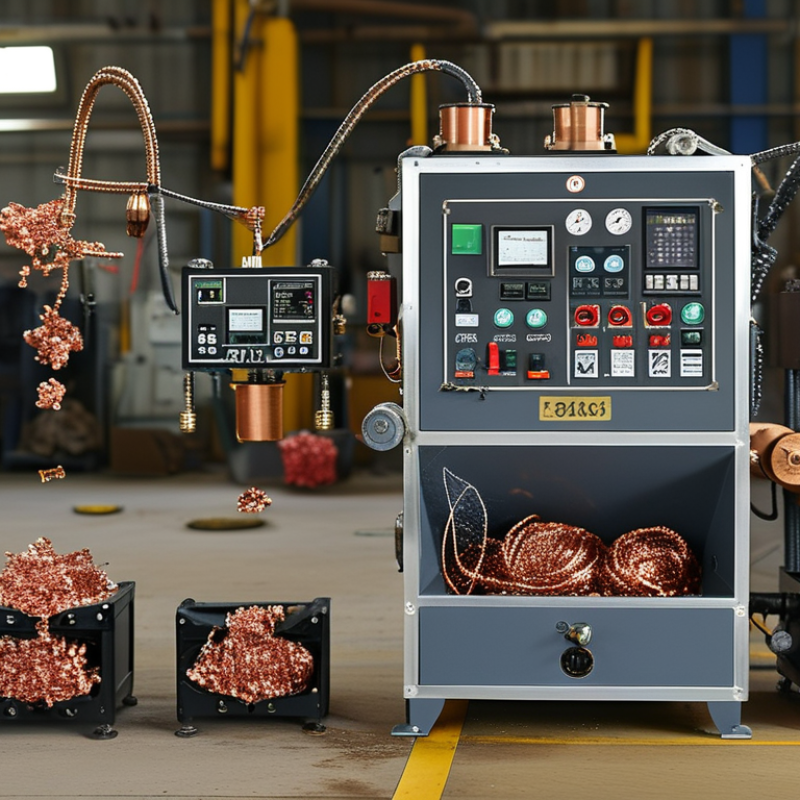
Table of Contents [Hide]
Define Your Copper Wire Recycling Goals and Material Types
Before comparing machine specifications, define what your copper wire stream actually contains.
A clear goal prevents an expensive mismatch later. Are you processing clean, bare copper, insulated household cable, fine-stranded wire, or mixed scrap? Each type behaves differently during feeding, stripping, granulating, and separation. Measure daily input, peak loads, target recovery, and acceptable residue levels. Write these figures down. Guesswork weakens the decision.
Clean, thick cable may suit a stripping-focused process. Small insulated wires often need controlled granulation and reliable air or vibration separation. If aluminum, steel, plastic, oil, or moisture appears in the feed, record its approximate percentage. Contamination affects cutting speed, separation accuracy, maintenance intervals, and the value of recovered copper. Fine strands can also challenge screens and airflow settings. Do not judge capacity by motor power alone. Ask how the machine performs with your actual wire sizes.
An experienced evaluation uses a representative sample, not a showroom handful. Run several batches and inspect copper purity, insulation residue, dust, noise, and temperature. Request recovery data under similar conditions, then compare it with your own weighing records. Controls should be understandable to operators, and guarding should support safe routine work. Maintenance access matters. Belts, blades, screens, and bearings need practical inspection points. Ideally, choose a machine that can be adjusted as your feed changes. That flexibility costs attention, though. Overlooking it can create downtime.
Brands
Proudly Trusted by Top Suppliers Worldwide






Let us know and we will automate, together to fit your industrial needs.
 +91-97254 16844
Clients
Proudly Trusted by Top Companies Worldwide


Do you need Help? Get in touch.
X
Please fill out the form below and we will get back to you as soon as possible.