o
p
t
i
m
a
r
o
b
o
t
i
c
s

Make a Call


Make a Call
Blogs
How to Choose a Top CNC Machining Trainer in China?
Choosing a CNC Machining Trainer in China requires more than comparing course fees or attractive brochures. The right trainer connects classroom theory with real production conditions. That means reading drawings, setting work offsets, selecting tools, measuring parts, and correcting errors. A useful program should feel practical. It should show how decisions affect accuracy, cycle time, tool life, and operator safety. This guide introduces a careful way to assess trainers before enrollment.
Look for instructors with documented shop-floor experience and relevant technical credentials. Ask how many years they have operated or supervised CNC equipment. Request sample projects, inspection records, and references from previous learners or companies. A reliable provider should explain its machines clearly, including controller brands, axes, tolerances, and maintenance routines. Visit the training site when possible. Observe whether learners touch the controls, inspect chips, use gauges, and review finished parts. Evidence matters. A demonstration alone is not enough. A trial lesson may reveal teaching quality better than a sales presentation.
Strong trainers also provide structured lessons, bilingual support when needed, safety instruction, and follow-up guidance. They should explain what learners can realistically achieve after each module. Be cautious of guaranteed results. Skill develops through repetition, feedback, and disciplined practice. No provider is flawless. Even experienced organizations may have weaknesses, such as limited software coverage or crowded classes. Recognizing these gaps is part of responsible research. The best choice is not always the cheapest or most famous. It is the CNC Machining Trainer that offers verifiable expertise, transparent communication, suitable equipment, and measurable learning outcomes. With evidence-based comparison, buyers can choose training that supports safer work, better parts, and long-term professional growth.
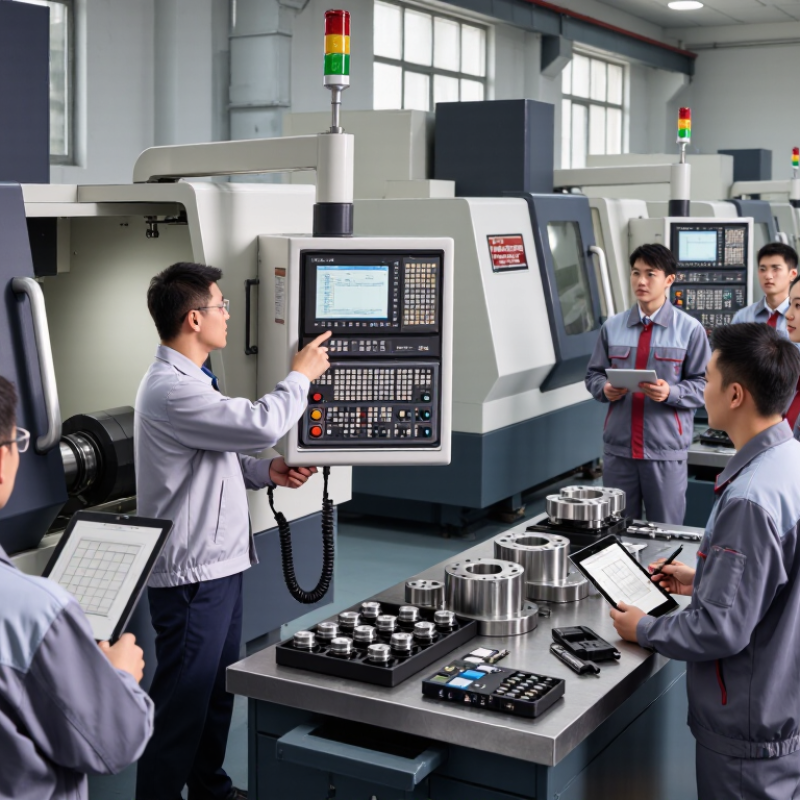
Table of Contents [Hide]
What Defines a High-Quality CNC Machining Trainer in China?
A high-quality CNC machining trainer in China teaches repeatable judgment, not only button sequences. The trainer should explain work offsets, tool compensation, probing, chip control, and alarm recovery with real shop examples. A strong session might begin with a drawing, continue through setup, and finish with measured parts. Look for evidence of hands-on experience, such as explaining why a bore drifts after tool wear. A polished demo can still hide weak teaching.
Professional depth also matters. The trainer should connect machining practice with ISO-based quality thinking, safe machine operation, inspection records, and process capability. The World Economic Forum’s Future of Jobs Report 2023 states that 44% of workers’ skills may be disrupted by 2027. It also reports that 60% of workers will need training before then. Deloitte’s 2024 manufacturing research similarly highlights skills shortages as a major barrier to digital transformation. These figures support practical, adaptable instruction, especially when factories combine CNC equipment with digital monitoring. Still, one report cannot measure teaching quality.
Tips: Request a short trial lesson. Ask the trainer to diagnose a sample alarm or tolerance problem. Check whether explanations use drawings, gauges, and actual cutting data. Ask for assessment records, not vague promises. Notice the questions they ask. Good trainers inspect your process before prescribing lessons. I would also test their limits; admitting uncertainty is better than inventing an answer.
Brands
Proudly Trusted by Top Suppliers Worldwide







Let us know and we will automate, together to fit your industrial needs.
 +91-97254 16844
Clients
Proudly Trusted by Top Companies Worldwide


Do you need Help? Get in touch.
X
Please fill out the form below and we will get back to you as soon as possible.