o
p
t
i
m
a
r
o
b
o
t
i
c
s

Make a Call


Make a Call
Blogs
How to Choose an Automatic Defibrillator for Global Buyers?
Choosing an Automatic Defibrillator for global use requires more than comparing prices or shock energy. It requires evidence, usability, and dependable support. The American Heart Association’s Heart Disease and Stroke Statistics—2024 Update reports over 350,000 emergency medical service-treated out-of-hospital cardiac arrests annually in the United States. Survival can depend on minutes. Sometimes, seconds.
Professor Graeme D. Perkins, a leading resuscitation researcher, has stated, “Early defibrillation is the single most important determinant of survival from cardiac arrest.” This principle should guide every purchasing decision. Buyers should examine clear voice prompts, bilingual or multilingual guidance, adult and pediatric compatibility, battery shelf life, pad availability, self-test records, and protection against dust or moisture. IEC 60601-2-4 compliance and ISO 13485-certified manufacturing can support confidence, but certification alone does not prove field performance.
The European Resuscitation Council Guidelines 2021 also emphasize rapid access, high-quality CPR, and early defibrillation within a coordinated chain of survival. Therefore, a suitable Automatic Defibrillator must fit the actual environment: an airport terminal, factory floor, school corridor, clinic, or remote worksite. Check the temperature range. Check replacement logistics. Test the case latch with gloved hands.
Details matter.
Global procurement is rarely perfect. A device may offer advanced features yet lack local training or replacement pads. Another may be affordable but difficult to maintain. Buyers should request independent test data, regulatory documentation for each destination, warranty terms, and post-sale service commitments. The right choice is not the most impressive machine. It is the one that remains ready, understandable, and reachable when someone collapses.
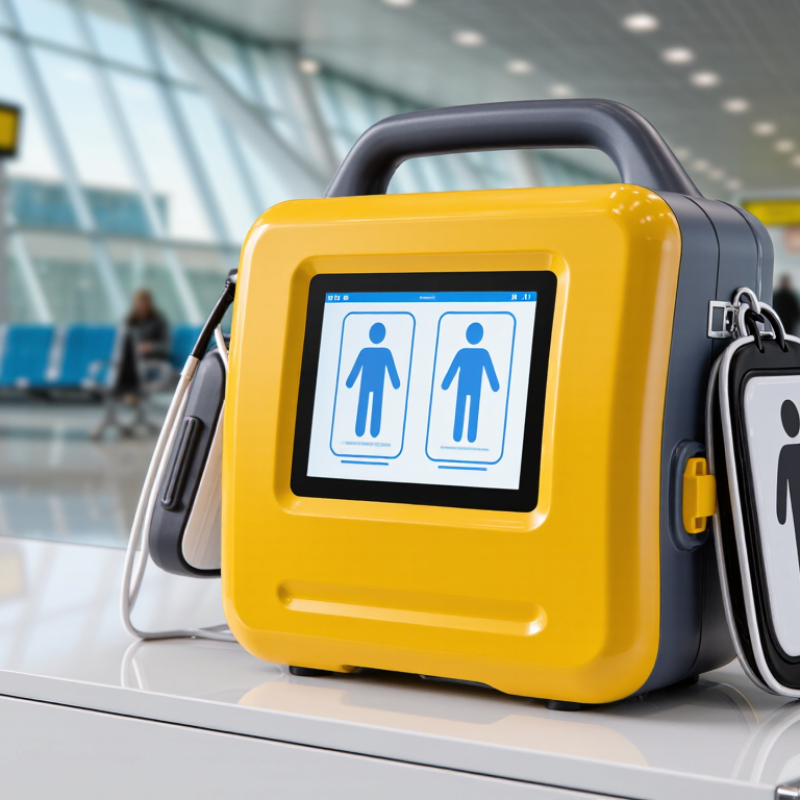
Table of Contents [Hide]
Define AED Use Cases with the AHA’s 7–10% Survival Gain per Minute
Choosing an automatic defibrillator begins with the emergency scene, not the equipment catalog. The American Heart Association commonly cites a 7–10% survival decrease for every minute without defibrillation. This figure makes response time a central purchasing measure. A device stored three minutes away may be less useful than one placed near a security desk, workshop, or sports court.
Map realistic use cases before comparing specifications. In an airport or hotel, many users may be untrained visitors. Clear voice prompts, simple illustrations, and multilingual support can reduce hesitation.
In a warehouse, dust, heat, noise, and protective gloves may affect access and operation. Outdoor facilities need suitable environmental protection. Child access also matters, especially in schools, family venues, and community centers. Confirm whether the selected unit supports children through appropriate settings or accessories.
A responsible buyer should also examine training, battery life, electrode replacement, self-tests, local emergency procedures, and authorized servicing. Standards and registration rules differ across countries, so local medical-device requirements deserve professional review. Do not treat a low purchase price as the real cost. A neglected device can fail quietly. It is also easy to overestimate staff readiness; annual training may not match actual confidence during a stressful event. Run short drills, record response times, and revise the placement plan when the building changes. Perfect planning is unlikely. Testing exposes the uncomfortable gaps.
Brands
Proudly Trusted by Top Suppliers Worldwide







Let us know and we will automate, together to fit your industrial needs.
 +91-97254 16844
Clients
Proudly Trusted by Top Companies Worldwide


Do you need Help? Get in touch.
X
Please fill out the form below and we will get back to you as soon as possible.