o p t i m a r o b o t i c s

Blogs

How to Choose the Best Electric Vehicle Heaters for Your Needs?

Choosing the right Electric Vehicle Heaters is essential for every EV owner. They play a crucial role, especially in cold weather. A proper heater can ensure your comfort and extend the battery life.

Many factors come into play when selecting these heaters. You need to consider performance, efficiency, and compatibility with your vehicle. Some heaters heat quickly, while others take time. It's vital to match the heater to your driving habits and climate.

However, not all products on the market meet high standards. Some lack reliability or fail to offer real warmth. Researching brands and reading user reviews can save you from poor choices. Pay attention to warranties as well, which indicate a manufacturer's confidence. Identifying your unique needs can lead to a successful purchase in this growing market.
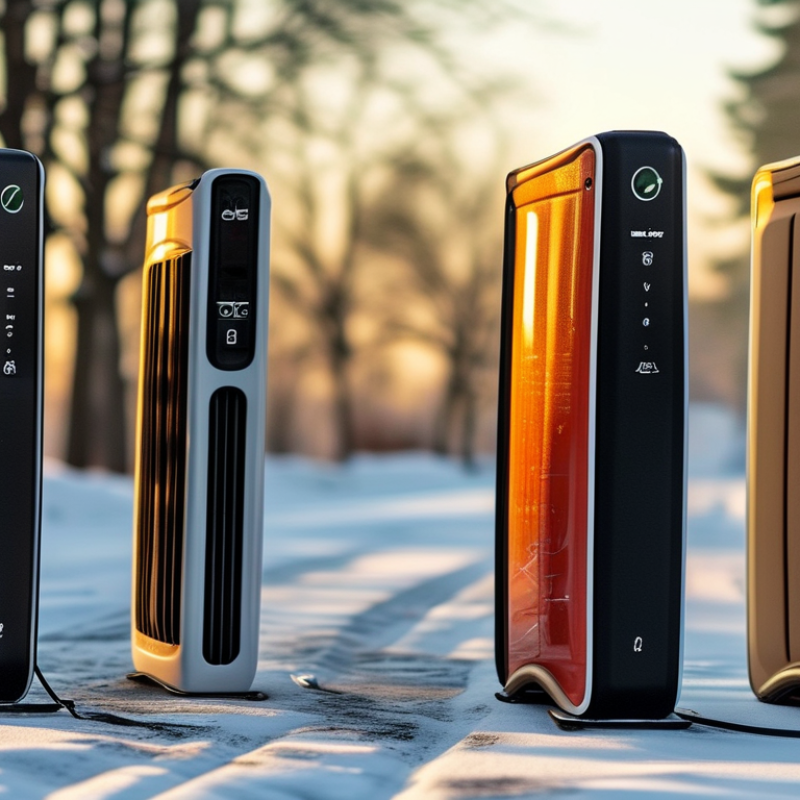
How to Choose the Best Electric Vehicle Heaters for Your Needs?

Understanding the Different Types of Electric Vehicle Heaters Available

Electric vehicle (EV) heaters play a crucial role in enhancing comfort during chilly months. Various types of electric heaters cater to different needs. The most common types are resistive heaters, heat pumps, and seat warmers. Each has its unique benefits and drawbacks.

Resistive heaters are simple and effective. They convert electricity directly into heat, providing quick warmth. However, they can drain the battery faster than other options. Studies indicate that resistive heaters can reduce an EV's range by up to 30% in extreme cold conditions. In contrast, heat pumps are more efficient. They transfer heat from the outside air, even in low temperatures. This technology can maintain a comfortable cabin without significantly impacting range. However, they tend to be pricier and more complex to install.

Seat warmers are another valuable choice. They provide targeted heat to occupants and are energy-efficient. These systems consume less power compared to full cabin heating, which is beneficial during colder months. However, they may not deliver the same level of comfort as other heating methods. Selecting the right type of heater requires understanding personal preferences, budget, and climate conditions. It's essential to weigh efficiency against comfort, especially in regions with harsh winters.

Electric Vehicle Heater Types and Efficiency Ratings

This bar chart illustrates the efficiency ratings of various types of electric vehicle heaters. The efficiency is evaluated on a scale of 0 to 100, showing how effective each type is in performance. Heat pumps take the lead in efficiency, followed by resistance heaters.

Evaluating Heating Efficiency: BTU Ratings and Their Importance

When choosing an electric vehicle heater, understanding BTU ratings is crucial. BTU, or British Thermal Unit, measures the heater's energy output. A higher BTU rating indicates more powerful heating. However, bigger isn't always better. The heater must meet your specific needs based on your vehicle's size and insulation. A small vehicle may only require a heater with fewer BTUs.

Not all heaters deliver their promised efficiency. Factors such as installation and airflow can impact heating performance. It’s essential to evaluate how the heater distributes warmth across the cabin. Poor airflow may leave cold spots, making your drive uncomfortable. Researching user reviews can provide insights into real-world efficiency.

Pay attention to the energy consumption of different heaters. Some models may have high BTU ratings but consume excessive power. This could drain your vehicle's battery quickly. Consider models with energy-saving features to maintain cabin warmth without sacrificing battery life. Reflecting on these aspects ensures you choose the right heater, tailored to your specific driving needs.

How to Choose the Best Electric Vehicle Heaters for Your Needs? - Evaluating Heating Efficiency: BTU Ratings and Their Importance

Heater Model Heating Efficiency (BTU/h) Power Consumption (W) Heating Area (sq ft) Price ($)
Model A 5,000 1,500 200 120
Model B 4,500 1,300 180 100
Model C 6,000 1,800 250 140
Model D 5,500 1,600 220 110

Assessing Power Consumption: Ensuring Compatibility with Your EV’s Battery

Choosing the right electric vehicle heater requires a close look at power consumption. It’s crucial to ensure that the heater’s power needs align with your vehicle's battery capacity. Some heaters can draw significant energy, impacting your driving range. For example, a heater using 1500 watts might deplete a standard EV battery faster than expected.

Knowing the wattage is essential. Most electric vehicle batteries have a specific capacity measured in kilowatt-hours (kWh). If you use a heater that demands power exceeding your EV’s limits, you risk draining the battery quickly. You may find that you cannot complete your intended journeys. Consider evaluating the heater's efficiency as well. A more efficient model may provide ample warmth with lower power requirements.

Thermal comfort is important, but keep practicality in mind. Some might prioritize comfort over efficiency. After prolonged use, this decision may result in range reduction. It’s essential to balance comfort and battery life. Ensure you choose a heater that enhances your experience without compromising your vehicle's performance. Reflect on sustainable heating solutions that match your lifestyle and driving patterns.

Factors Affecting Heater Performance in Varying Climate Conditions

When selecting electric vehicle heaters, it’s crucial to consider climate conditions. Cold weather can significantly influence heater performance. In frigid temperatures, the heater must work harder to maintain comfort. This raises energy consumption. Hence, understanding the local climate is vital before making a decision.

Heat output varies by design and wattage. Some heaters excel in mild weather but struggle in extreme cold. A heater that operates efficiently in one region may not perform well in another. Users often overlook this aspect. Researching local temperatures can save time and energy in the long run.

Installation is another factor. Proper placement increases heating efficiency. An incorrect setup might lead to cold spots. In addition, consider how quickly the heater can warm the space. Rapid heating is often essential in areas with fluctuating temperatures. Awareness of these elements can enhance your overall experience with electric vehicle heaters.

Identifying Key Features: Smart Controls, Portability, and Safety Ratings

When selecting electric vehicle heaters, focus on key features. Smart controls enhance user experience. Many models allow for app integration or voice commands. This technology provides convenience. It also helps optimize power usage based on temperature needs.

Portability is another important factor. A lightweight and compact heater makes it easy to move between vehicles. This is particularly useful for those sharing vehicles or using multiple cars. Look for models with adequate battery life to ensure effectiveness on the go. Resolution and functionality are crucial here.

Safety ratings are vital to ensure reliability. Evidence shows that vehicles with high safety ratings experience fewer incidents. Check the certification of heaters to protect against overheating or electrical failures. Safety certifications like UL or CE provide peace of mind in product quality.

Tip: Always check user reviews for insights on real-life performance. This can highlight common issues or unforeseen benefits.

Tip: Prioritize heaters with automatic shut-off features. This adds an extra layer of safety and energy efficiency. Quality manufacturers will typically provide detailed safety information.

Brands

Proudly Trusted by Top Suppliers Worldwide

Let us know and we will automate, together to fit your industrial needs.

Clients

Proudly Trusted by Top Companies Worldwide

Do you need Help? Get in touch.

X

Please fill out the form below and we will get back to you as soon as possible.

    Subscribe our newsletter & get updates